

 Publication date: October 2017
Review, short version: Three roses out of four.
Long version:
We are inundated with endless recountings of history, but there’s a lamentable lack of herstory.
So I was delighted to read Natasha Boyd’s The Indigo Girl – a fictionalized herstory – about a mostly forgotten woman who made her mark with a mostly useless plant.
The woman was Eliza Lucas and the plant was indigofera tinctoria.
Who? What?
The Indigo Girl answers both.
Eliza (1722-1793) was 16 when the story begins on her family’s plantation in the colony

of South Carolina. She was smart, educated, and loved botany, in an era when a woman interested in science was regarded with suspicion, if not scorn. She was determined to be her own person, and rejected suitors suggested by her father, at a time when a female’s only role in life was marriage. When her father sailed off to the Caribbean island of Antigua to pursue his military/political career, he left the running of the plantation – and two others – in Eliza’s young but very capable hands.
Unheard of.
Determined to save the plantations and secure her family’s future, Eliza begins experimenting with indigofera tinctoria, or indigo, a plant that, after an extremely risky and labor-intensive process, produces a deep, rich and very rare blue dye – a dye greatly desired by the wealthy for their clothing. Clothing then, as today, was a status symbol, and indigo blue was in high demand by European elites.
| Can Eliza’s efforts turn this indigofera tinctoria… |  |
| Into this expensive indigo dye… |  |
| Which will be used for aristocrats’ clothes, like this lady’s costly hunting outfit, made of indigo-dyed satin? |  |
Eliza tries and fails, and tries and fails, and you can’t help but root for her. She was a young, single female, the only one in the American colonies trying to grow indigo as a cash crop. “Ridiculous!” most men decreed. Besides, rice was the thing in South Carolina, so never mind indigo, something the French had already mastered.
 Never mind doing anything different – if you’re a female.
Will Eliza make a go of indigo? As author Boyd recounts in her Afterward, one has only to look at South Carolina’s state flag and its indigo blue field for the answer.
Reading The Indigo Girl sparked my curiosity – always a sign of a good book for me. I discovered more information online about Eliza’s story, so perhaps she isn’t mostly forgotten after all. Some of the information is conflicting – it’s the Internet, so no surprise there – but all the sources agree that Eliza was an exceptional woman who did extraordinary things.
The Indigo Girl is herstory – and it’s a great read.


 I went online, and while I can review my bill there, it doesn’t detail when the roaming charges were incurred.
 charges were incurred. Seemed simple enough.

 Seriously? Why would I call myself three times in five minutes?



 multitudinous people it affected, and those fees represent lots of money for Wells Fargo.






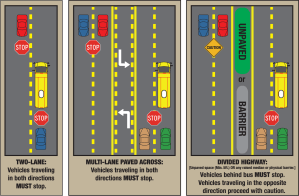 I went to the DMV and got their 104-page publication entitled “California Driver Handbook,” subtitled, “Let’s See How Many Ways We Can Baffle and Befuddle You.” I read that sucker from cover to cover. I highlighted obscure items I thought might appear on a test, like that thing about “center left turn lanes” and “California Vehicle Code 21460.5 (c).”
 Driving Knowledge Tutorial which I took. And took again. And again.
 check, a quick eye exam, and I’m given a tag with “F013” – the number they’ll call when it’s time for my next step.












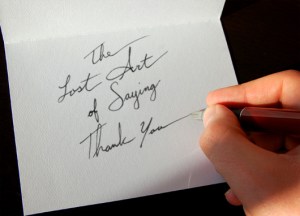 Does ANYBODY write thank-you notes anymore?
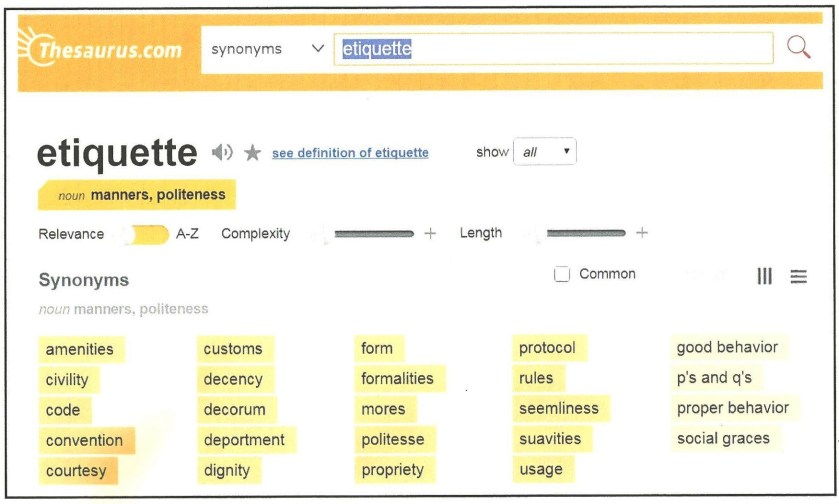 Good behavior.
 You: Hey, Mikey, I just wanted be sure you got the (birthday/wedding/ Christmas/whatever) gift I sent?


 where I sit:
 around, hoping for a sign with emergency instructions: How To Extract Yourself From The Toilet. No sign. Why not? They have signs for everything else: No Smoking; Fasten Seat Belt; Dispose Of Hand Towels Here, but nothing useful when I really need it.
 Because I know we’re all going to die. But I’ll be the one what’s-his-name talks about on the CBS Evening News: “Among the victims was a woman, apparently stuck on the toilet in an airplane bathroom. We’ll have more on that tonight on CBS News at 11.”


 rescue: a surfer or swimmer takes on waves he shouldn’t and lifeguards pull him safely to shore; a hiker ignores the “No Hiking” signs along an unstable cliff, and a search and rescue team climbs down to save her; a skier glides into a “No Skiing” zone, falls, breaks a leg, and the ski patrol risk their lives to save his.
 And I wonder: Who pays for this? Who pays for the lifeguards, search and rescue teams, ski patrols? Well, you and I – the taxpayers – do.
 about a man who’s fallen off Die Here Mountain, a popular spot for climbers. According to his climbing partner, the man dropped 40 feet, landed on a rock ledge, is lying on his right side and complaining of pelvic pain.
 powerful engine and whirling blades. “Hang in there – we’re lowering the basket.”

 I Hate Houseguests