I was flipping through the latest issue of Food Network magazine, not paying a whole lot of attention – I like looking at pictures of food, not cooking it – when something stopped me in my tracks.
“What the hell,” I wondered, “is this?”
A glossy full page.
A lot of vibrant colors.
A striking woman.
An over-the-top outfit.
And…
A large garbage bag.
A large pink garbage bag.
This required research.
It turns out this page was not a one-off – it was one part of a much larger campaign created to convince consumers that our lives are not only incomplete, but probably pointless, if we do not immediately purchase mass quantities these:
Meet the GLAD ForceFlexPlus cherry blossom scented, grips-the-can, tall kitchen drawstrong bags with Febreze freshness.
That full-page ad in Food Network magazine was just a slice of something much bigger:
A full-blown advertising campaign that includes not just print ads, but all the social media you can think of, including Instagram, which included this montage from the commercial (more to come on that):
The campaign’s 30-second commercial made headlines earlier this month, like this:
And this:
And this:
Here’s a description of the commercial from AdAge:
“The 30-second video shows an over-the-top fete attended by glammed-up revelers. A woman in a couture pink dress carries the bag around the house collecting leftover food and decor as the high-fashion party-goers take in the cherry blossom scent. Finally, the host goes outside to toss the waste, looking fantastic as her schlubby neighbor looks on, grasping his leaky, stinky, boring white plastic sack.”
Here’s the woman going outside to toss the waste:
Here’s here schlubby neighbor:
There’s no dialogue in the commercial, but a sultry female voice-over intones:
“Strength…desire…ripguard technology…a fragrance this alluring could only belong to a powerful…”
(Move in for close-up)
“…trash bag.”
(Voice drops down to an equally sultry whisper)
“With superior strength.”
(Voice resumes previous level.)
“The cherry blossom fragrance, it’s all fabulous…”
“It’s all GLAD.”
And I’m sure my fellow Americans and I are glad to know it.
But it turns out that perhaps my fellow Americans and I aren’t exactly the consumers that GLAD is looking for.
According to the articles I mentioned above, GLAD and its advertising agency…
“…created a campaign personifying the notion of being strong and fabulous: expressed through bold attire, empowered attitude and a fabulous setting. Inspired by luxury fragrance brands and their glamorous worlds…a trash bag experience for those that live the ‘extra’ life.”
Self-doubts assailed me.
Am I “strong and fabulous” enough for the GLAD ForceFlexPlus cherry blossom scented, grips-the-can, tall kitchen drawstring bags with Febreze freshness?
Am I living the “extra” life?
“Ultimately, the campaign positions the bag as a kind of accessory that expresses the style and bold attitude of its users.”
Do I have the “style and bold attitude” they’re looking for?
And if all this isn’t worrisome enough, check out this statement about the commercial from the GLAD director of marketing:
“Our goal is to add joy to otherwise mundane experiences…The cast lit up the room, bringing beauty and power as a manifestation of the benefits GLAD is introducing with our new product line.”
And this, from the ad agency’s executive vice president:
“As an agency, we believe the best way to connect with people is to understand their shared values. In this campaign, we used the notion of being ‘extra’ as a way to culturally resonate with people across different demographics and sociographics who value self-expression and creativity.”
Well, I – like you – value “self-expression and creativity.”
I’m just not sure I can become “strong and fabulous” and attain that “extra” life…
From a trash bag.
Even if it is the GLAD ForceFlexPlus cherry blossom scented, grips-the-can, tall kitchen drawstring bags with Febreze freshness.
But – before I slid completely into the Slough of Despair, I discovered that GLAD has other ForceFlexPlus scented garbage bags:
And perhaps if I try all of them, I’ll find exactly the right one to represent my “style and bold attitude.”
“Ha, ha!” I thought. “No more Air Force One! And Trump’s own airplane is out of commission, so Trump’s flying commercial like we mere mortals do, and he was inconvenienced, poor baby!”
Then I started reading, and realized my chuckling, laughing and snorting were premature.
Trump wasn’t flying commercial.
Silly me.
He was traveling on a rich pal’s private plane.
One of his rich Republican toadies who no doubt practically wet his pants in excitement as he offered Trump the use of the plane in hopes of receiving future favors.
A related article in the Washington Post said the donor’s identity could not be immediately verified.
I’m tempted to say, “Just choose a rich Republican with a brown nose,” but – there are so many of them.
Why was Trump traveling? The Washington Post said,
“The plane was attempting to take Trump home to his Mar-a-Lago resort in Palm Beach, FL from the Four Seasons Hotel in New Orleans, where he spoke to some of the Republican Party’s top donors at a private event.”
That “attempting” part: The plane suffered engine failure late that March 5 evening over the Gulf of Mexico.
Because I care about you, I read a recap in this article – so you wouldn’t have to – of the speech Trump gave at the Four Seasons Hotel:
Trump’s short speech – a mere 84 minutes – was heard by…
“…about 250 of the Republican Party’s top donors.”
“Donors who had written checks for tens of thousands of dollars walked out Saturday night holding copies of the former president’s photo book, titled Our Journey Together, purchased by the RNC.”
Have you seen Trump’s book?
It’s not my idea of a lovely parting gift.
In his speech Trump, as expected, repeated his tired old lies about the stolen election.
He displayed his rapier wit by joking about the war in Ukraine:
He demonstrated his acclaimed erudition by calling Democrat Rep. Adam Schiff a “watermelon head” and attorney George Conway a “son of a bitch.”
And he shared his vast scientific expertise by mocking the concept of sea levels rising: “To which I say, great, we have more waterfront property.”
I’m no expert, but it seems to me that rising sea levels mean less land – not more?
I checked on ClimateCentral.org which says:
“As sea levels continue to rise throughout the century, chronic flooding will spread and more land will be permanently lost to the ocean. By 2100 elevation data show land currently home to 200 million people could fall permanently below the high tide line.”
Back to Trump’s borrowed airplane.
The plane was identified by the Washington Post as a Dassault Falcon 900.
The Dassault Falcon 900 has three engines, but still – one failed engine is major trouble, and it takes a highly skilled, experienced, and smart pilot to land safely with a disabled engine.
The airplane landed in New Orleans, and I’m sure Trump was lavish in his praise and thanks to the pilot for bringing him (Trump) and everyone on board safely back to Earth.
Actually, I’m sure Trump instead was doing some major whining about what a major inconvenience this was, and why the f**k couldn’t the pilot fly with two out of three engines?
Can’t you just hear Trump?
“Hell, when I was a Navy pilot – no, it was Air Force, yeah, Air Force – in Vietnam, I was bombing the hell out of those people – they’re the ones that gave us the Asian flu, you know? One day I’m flying a goddamn son of a bitch bomber and ALL the engines failed! No engines! But I kept flying and dropping bombs and I landed safely and got a Medal of Honor from the president, what’s-his-name, Roosevelt!”
So Trump was stranded in New Orleans, but according to the Politico article,
“…the RNC scrambled and reached out to a donor and found the former president another plane. Trump eventually landed in Palm Beach around 3am Sunday.”
The owner of this loaner was identified:
Craig Estey, a GOP donor and founder of Nevada Restaurant Services:
According to the Dun & Bradstreet website, Estey’s company’s annual income is $72.03 million in annual sales.
Estey, whose full name is Richard Craig Estey, or Richard C. Estey, seems to keep a pretty low profile.
Though I did find this 2008 article:
“In trying to figure out who Estey is, we found some interesting background. Estey runs a chain of gambling parlors in Nevada called Dotty’s. He also operated one of the biggest video gambling operations in Oregon until the state lottery ran him out of town.
“It all started with a domestic dispute Estey had in 2005, when he allegedly held a gun to his then-wife’s head and threatened her life.
“In December 2006, Oregon Lottery Director Dale Penn wrote Estey to terminate his state lottery contract because ‘you do not satisfy the requirements of good character, honesty, and integrity that apply to all Lottery Retailers.’”
The perfect Trump toady!
A toady who could have been spared all this kerfuffle if Trump has just used his own airplane.
You know – Trump’s Boeing 757.
The Boeing 757 he liked to call “Trump Force One”:
A plane with all the comforts of home: dining room, bathroom, shower, bedroom, guest room, and galley, with lavishly appointed fixtures, many plated in 24k gold:
Trump even did a documentary about himself, er, I mean, his plane – and aren’t we lucky we can watch it on YouTube?
Trump used the plane during his 2016 presidential campaign, and then he had the use of Air Force One.
But as I mentioned earlier, Trump’s airplane is out of commission.
And where is Trump’s plane?
According to this March 2021 article:
“…today it sits idle on an airport ramp in Orange County, New York, about 60 miles north of Manhattan…One engine is missing parts. The other is shrink-wrapped in plastic.”
“Trump Force One” sits in New York, neglected and rusting.
“Flight records accessed by CNN show the 757 hasn’t been flown at all since Inauguration Day.”
That’s Inauguration Day, 2016.
But, according to this article May 2021 article:
Back then, Trump said his Boeing 757…
“…is now being fully restored and updated and will be put back into service sometime prior to the end of the year. It will soon be brought to a Louisiana service facility for the completion of work, inspection and updating of Rolls-Royce engines, and a brand new paint job. When completed, it will be better than ever, and again used at upcoming rallies!”
I guess Trump lied changed his mind:
“Former President Trump is asking his supporters to help fund his new ‘Trump Force One’ private plane just days after a jet flying him to Mar-a-Lago made an emergency landing when one of its engines failed.
“Trump, through his Save America PAC, sent his supporters an email titled ‘Update Trump Force One’ in which he said that ‘my team is building a BRAND NEW Trump Force One.’”
The email promised a reveal of the new Trump plane and invited fans to click a link for a sneak preview.
That sneak preview is going to cost you, however:
The link goes to a site asking for monthly recurring donations of up to $2,500 a month to access that sneak preview.
“PRESIDENT TRUMP NEEDS YOU TO COMPLETE YOUR DONATION RIGHT NOW!”
Maybe Trump’s rich buddy who loaned him his airplane, Craig Estey, will kick in toward Trump’s new plane.
Then Estey can ask Trump for help the next time he gets in trouble, like threatening his then-wife with a gun.
One morning last week, around 9:30am, we had a power outage at home.
One second everything was fine, and the next – my computer died, the lights went off, the heat shut down, the fridge stopped humming.
Damn.
First response: Frustration. Had I lost the document I was writing on my computer? I can’t warm up my coffee in the microwave. No heat, and it was a chilly morning. I can’t turn on the TV to watch the news.
Next: Helplessness. I can’t fix this. I called the power company and got a recording: “We’re currently experiencing a high volume of calls, and wait times of at least one hour.”
Useless.
Next: Ignorance. When will power be restored? Is the food in the fridge going to spoil? If we need to go out, we can’t use the garage door opener – can we manually open the garage door? When it gets dark this evening and we get out the flashlights – I’ve been meaning to get new batteries…
I sat in the kitchen drinking lukewarm coffee and sulking, when a thought occurred:
No electricity is what so many Ukrainians have been experiencing – and for days. No electricity, no water, and many are running out of food and medicines.
I have good reason to believe my electricity will come back on.
Ukrainians don’t.
Since we had daylight, I could read. I turned to the morning newspaper and saw this story on the front page:
It couldn’t believe it, though the family was there in front of me:
I was outraged.
These are Ukrainians, seeking asylum here, refused entry into the U.S! Think of what Putin is doing to their country! This is terrible!
The woman is 34-year-old Sofiia – apparently fearful of revealing her last name – traveling with her children ages 14, 12 and six.
The family left Ukraine on February 27 and traveled to Moldova, Romania and Mexico, arriving in Tijuana on Monday, March 7 – nine days of travel. Their final destination was Los Angeles, the home of the only family she has outside of Ukraine.
Sofiia had a typed letter from her U.S. relatives explaining who she is and promising to take care of her living expenses.
Her relative drove down from Los Angeles to pick up her and her children, and tried to drive them north across the border at the San Ysidro Port of Entry:
Her relative explained to the officer that he was a U.S. citizen and that his family was fleeing the war. He asked what he needed to do for them to be able to enter with him. The officer told him that he could not cross with them and turned the car around.
The relative took Sofiia and her children to a hotel. The U.S.-based relatives then contacted the U.S. consulate in Tijuana and asked for help to get permission for the family to enter. They didn’t get a response, Sofiia said.
On Wednesday, March 9 she decided to try walking through the pedestrian lane at San Ysidro Port of Entry and requesting asylum that way:
But officers stationed at the border line wouldn’t let her onto U.S. soil.
Why?
Sofiia and her family were turned back by the same border policies that have stopped asylum seekers from around the world and stranded them in Tijuana indefinitely.
Asylum seekers – thousands of them – from Haiti, Guatemala, Honduras, El Salvador, Venezuela, Cuba, Brazil, India, Eritrea, Ghana, Ethiopia, Cameroon and now…
Ukraine.
Among those border policies is Title 42, a Trump-era policy continued by the Biden administration. One of the reasons both administrations said that Title 42 is necessary is to protect against the spread of COVID-19 in the United States.
Leaving Sofiia and her family stuck in Mexico, possibly for years.
I stopped reading to think.
I doubt that anyone could deny that our immigration system is – well, I think this headline sums it up:
And just like all the Powers-That-Be in Washington, DC, I have no solution.
And how can I suggest that Sofiia’s situation is somehow different/worse from all those thousands of other asylum seekers, that she and her family somehow deserve special consideration?
Everyone who’s seeking asylum is in a desperate situation – is Sofiia’s any more desperate?
I returned to the Union-Tribune article.
An immigration attorney who happened to be nearby noticed Sofiia’s situation.
Blaine Bookey (pictured), the legal director for the Center for Gender and Refugee Studies at UC Hastings, stepped forward to help Sofiia, who was crying and so overwhelmed she was unable to speak.
After four or five hours of standing by the entrance to the United States, a small group of immigration attorneys and advocates had formed around her, messaging their contacts in CBP and posting Sofiia’s story on Twitter.
The article ended with Sofiia saying,
“We left our lives, our jobs, our families and houses in Ukraine just to escape from this horrible war. All my friends and family are far, far away from me, and I don’t know if they will be alive tomorrow. I just want to keep my kids’ lives safe.”
This is SO f**cked, I thought.
And it is:
Back to my nice, safe home: My no-electricity story had a happy ending.
About an hour after the power went off, it came back on. Computer, lights, heat, hot coffee, and I added “check flashlight batteries” to my to-do list.
No lights-back-on for so many in Ukraine.
The next morning, I saw this online:
According to the article, attorney Blaine Bookey’s “tweets and media coverage sparked renewed criticism of a Trump-era order to deny people a chance to seek asylum under an order to prevent spread of COVID-19 known as Title 42 authority.”
The situation triggered “sharp criticism from Senate Majority Leader Chuck Schumer and other Democrats.”
U.S. authorities will allow Sofiia and her family to seek asylum. They entered San Diego for processing.
The San Diego Union-Tribune article noted that in allowing the family into the U.S.:
“…officials made an exception to what has long been the rule at the border of turning back asylum seekers who are trying to request protection.”
What’s ahead for Sofiia and her family?
According to the Refugee Council USA website, the asylum-seeking process,
“…from application to approval, can typically take about six months. If after their interview their case is not approved by U.S. Citizenship and Immigration Services (USCIS), they can still re-apply using the defensive process.”
And what is this “defensive process”?
According to the United Nations High Commissioner for Refugees – the UNHCR – website:
“The defensive asylum process is for individuals who are in removal proceedings. Removal proceedings are when the United States government orders that you be removed (deported) from the United States.
“A person who is in removal proceedings may apply for asylum defensively by filing the application with an immigration judge at the Executive Office for Immigration Review (EOIR) in the Department of Justice. In other words, asylum is applied for ‘as a defence against removal from the U.S.’”
Sofiia and her children have a long road ahead of them, with no guarantee they won’t be deported.
For now, they’re with their U.S. relatives in Los Angeles.
And I’m left wondering…
Will Sofiia and her family – and the next Ukrainians, and all those asylum seekers – have a happy ending?
Every week I look at the New York Times lists of best-selling hardcover fiction and nonfiction.
And every week, for more than a year, I’ve seen this:
The Midnight Library.
It’s held different positions on the fiction best seller list, but it’s been there.
As of the above March 13 list: 64 weeks.
When I first heard about the book, I went on Amazon to read the description and thought, “I’ll pass.”
But Midnight Library continued to appear on the list, week after week.
And since I’m always looking for books, I thought, “Maybe I’ll give it another look.”
When I went back to Amazon, The Midnight Library had more than 140,000 reviews.
I’m on Amazon a lot, and I’d never seen a number that high.
And not only a high number, but great high number: 4.3 out of 5 stars.
And I thought, “OK, I’ll give Midnight Library a try.”
So I did, and – ugh.
Once again I’m out of step with the general reading population.
The lead character is Englishwoman Nora Seed, 35. In the beginning of the book, Nora’s life is shit, and it gets worse.
Here’s how she describes herself on page 13:
“A black hole. A dying star, collapsing in on itself.”
She decides to die.
Instead, Nora ends up in the Midnight Library, a between-life-and-death place where she’ll be able to try on many different lives – paths she could have chosen, but didn’t.
Her Midnight Library mentor through all this is Mrs. Elm, her school librarian, who’d been kind to Nora in the past.
When Nora goes off to try a different life, if she doesn’t want to stay in that life, she’s somehow returned to the library and then does a postmortem with Mrs. Elm.
Nora tries out a life where she didn’t jilt her fiancé shortly before the wedding. She realizes she doesn’t want that life and returns to the Midnight Library. Then a life where her cat doesn’t die, and then she returns. Then a life if she’d gone to Australia, and again she returns.
Lather, rinse, repeat.
I didn’t enjoy Midnight Library and figured it was my fault – I was missing the point. So I tracked down reviews from when the book first came out, including in the New York Times and Washington Post. Both writers wrote at length and were full of praise, and I realized I wasn’t missing the point at all.
The point was that old tried and true, “There’s no place like home.”
Not exactly…
If you’re one of the three people who hasn’t read Midnight Library, you sure have your choice of how: Hardback, paperback, large print, eBook, audio CD, spiral-bound, and Kindle, plus it’s been translated into something like 30 languages, including Persian:
Once you’ve chosen your preferred format, if you’re really into it, you can read by the light of this candle inspired by The Midnight Library that claims to be “book scented”:
What is “book scented”?
“This blend is our interpretation of the scents you’d find within a magical library – aged pages, antique sandalwood, middle notes of tobacco leaf, teakwood, warm amber, and of course…elm.”
“Middle notes.” Uh-huh.
The Midnight Library film rights have been optioned:
That was in September 2020 but there’s no sign of it Coming Soon! to any theater near you, or anywhere.
Perhaps Midnight Library, TheMovie is off trying out other lives.
Perhaps the movie will return with a lead character who, instead of being a suicidal, 35-year-old “black hole. A dying star, collapsing in on itself” is, instead, a fresh-faced, singing 10-year-old who’s realized…
In the old song, Wonderful World, the lyrics describe a person who doesn’t know much about history, biology and other subjects, but does knows that “I love you, and I know that if you love me, too, what a wonderful world it would be.”
Another of those subjects in the song he doesn’t know much about is geography, and I can relate – when it comes to geography, like the song says, “I can’t claim to be an ‘A’ student.”
My lack of geographical knowledge was reinforced recently when my husband read a quiz question in the newspaper to me:
“How many state capitals are located west of Los Angeles?”
Smug, I answered, “That’s easy – Hawaii and Alaska.”
“You’re right,” he said. “So far.”
“So far?” I echoed.
“You named two. There are six.”
Six state capitals west of Los Angeles?
Six? How could that be?
My smugness drained away.
But I wanted to answer this, to prove I wasn’t totally geographically illiterate.
I started by envisioning Los Angeles:
Hollywood…
Stars posing on the Walk of Fame…
Surfing…
OK, but what about Los Angeles’ geographic location?
Easy – Southern California:
I know that California’s west coast is formed in an eastward direction, and from Santa Barbara to San Diego the coast looks like a sea monster took a big bite out of it.
So maybe, I reasoned, the capital of California might be west of Los Angeles?
“Sacramento?” I guessed.
“Right,” my husband said. “Three more to go.”
Hmmm.
“Maybe, um…” I was floundering here.
“The capital of the state of Washington?” (Don’t know much about state capital names, either.)
“Right again!”
Only two more to go.
I reasoned that if Washington’s capital was west of Los Angeles, then maybe…
“Oregon?”
“Oregon it is,” he said. “What’s number six?”
I’d done alright with my three guesses – and they were guesses – but now I was stumped.
I tried to envision a map of the western states, and I couldn’t imagine any more of them with a capital that was west of Los Angeles.
I shook my head, and gave up.
“Nevada’s state capital is west of Los Angeles,” said my hub. “Carson City.”
Never mind the capital’s name. Nevada’s capital? How could that be?
I went online and pulled up a driving map:
It looked iffy to me.
So I enlarged the map and added a straight north-to-south line:
And sure enough – Nevada’s capital clearly is west of Los Angeles.
So there we are:
The six states with capitals west of Los Angeles are Hawaii, Alaska, California, Washington, Oregon and Nevada.
OK!!!
After all this research and map reading and comparing, I am SO ready!!!
Bring on Jeopardy!
I’ll take Geography for $1000!
Let’s go for it! I’ll wager everything I’ve won so far! I live in Southern California, and I know how many beaches Los Angeles has.
(Final Jeopardy music playing.)
Oh, nooooooooooooooooooo!
(Answer: What is zero? The City of Los Angeles is a landlocked metropolis with no access to the ocean. The County of Los Angeles has more than a dozen beaches.)
Saturday was the 10th day since Russia’s war against Ukraine began.
A war that now – according to Putin’s new law – must instead be called a “special military operation.”
The images we’ve seen since Putin started this war began have been awful, sometimes unbelievable, and often heartbreaking.
On that Saturday I was reading my newspaper, and the headlines were much as they’d been for 10 days – and worse:
“Russian Military Bears Down on Kyiv”
“U.S., Allies in Europe Rush Weapons to Ukrainians”
“Russia Imposes New Censorship Measures”
“Expecting Mothers Await Birth in Bunker”
But out of all the stories and all the images we’re seeing from Ukraine, it was one image in that Saturday newspaper that went to my heart.
This image:
The caption was simple:
“A man presses his palms against the window as he says goodbye to his 5-year-old daughter aboard a train to Lviv at the Kyiv station Friday.”
The father’s hands frame his daughter’s face.
Her face is almost a ghostly image as she looks down at him. She is not smiling. She knows something bad is going on.
She may not understand what Russia is doing to her country, but she understands that she’s on a train and her daddy is on the other side of the glass, instead of being on the train with her.
She, too, is pressing her hands against the glass.
Is the daughter traveling with her mother? Siblings?
Is the father staying behind to fight?
Will the daughter and those she’s traveling with stay in Lviv? Or are they heading for the border to take refuge in another country, like so many others?
“More than 1.3 million people have fled Ukraine since Russia’s invasion began.”
The journey from Kyiv to Lviv is about 291 miles. By train that can take from 5.5 to 8.5. hours:
IF the train is allowed to move unimpeded through the war-torn country…
I’ve just been down the rabbit hole to a strange and crazy alternate universe.
It wasn’t my intention to go there.
It started with this story:
Since May of 2020, Miami Beach police had been handing out flyers to motorists who received traffic citations, and according to the story…
“The flier explained how to resolve minor traffic tickets online by visiting the Miami-Dade County Clerk of Courts website, but a missing hyphen sent drivers to a Trump site instead.”
This sounded crazy to me – police handing out flyers directing people to a Trump merchandise website?
Not even in Ron DeSantis’ Florida would police officers do something so blatantly political.
Would they?
This was absurd, and since I love the absurd, I decided to learn more.
The flyers were intended to tell motorists their options after receiving a traffic citation:
A helpful public service, yes?
The citation continues detailing Option #2 and goes on to Option #3:
And there are two references to the Clerk of the Court website, with one small difference:
The first reference is miamidadeclerk.com.
The second reference is miami-dadeclerk.com.
What a difference a dash makes.
The second website does, indeed, take you to the right place – the Miami-Dade County Clerk of the Courts:
That first reference, however – the one missing the hyphen – takes you here:
And according to this article:
“The un-hyphenated site does not appear to be linked to an official entity for the former president or his political apparatus as he prepares for a potential 2024 campaign.
“Instead, the miamidadeclerk.com link instantly redirects to an online store on findsale.com. Click on the Trump merchandise there, and users are taken to an Amazon page where merchandise branded with ‘Trump 2024’ is for sale.”
This story appeared in mid-February, and it appears some changes have since been made to findsale.com – I didn’t find any Trump merchandise listed there, but I’ll take the Miami Herald’s word for it.
And since the Miami Herald talked about Amazon, I decided to see what all the flap was about:
I went on Amazon and searched for “Trump 2024.”
And down the rabbit hole I went into that strange and crazy alternate universe.
There is Trump 2024 merchandise on Amazon.
There’s a veritable tsunami of the stuff: a plethora of items.
And rest assured, these items display all the dignity, intellect, eloquence and finesse we’ve learned to expect from Trump.
Like these items:
These 3’ x 5’ flags (flagpole not included) “are made of premium 100% polyester with double stitched all around the edge.”
The description also offers the assurance that the items are “a must-have flag for all TRUMP supporters.”
But wait – there’s more!
Including Trump 2024 socks:
And just $7.99 a pair! These handsome, colorful socks are sure to catch the public’s eye the next time you’re hanging off the side of the Capitol Building:
There are items for those with a religious bent:
Items for those with a rhinestone bent:
And a t-shirt with this slogan for those who – like Trump – are just plain bent:
There are Trump facemasks:
Someday, you can show the facemasks to your grandchildren and tell them, “See this? It’s a facemask. The government said we should wear ‘em. And we told ‘em…
Hell no, don’t you ask, Trumpers don’t wear no f***king masks!
And the Trump team has totally cornered the market on tchotchkes: windsocks and wristbands and keychains and pins and bottle openers and…
I was drowning in the tsunami Trump 2024 stuff.
It was time – way past time – to get out of the rabbit hole.
I returned to the real world, and turned to the Miami Herald article to see if I could learn how that missing hyphen typo in the police flyer happened.
The article says the flyers:
“…began circulating countywide in May of 2020 promoting the new online options. The program rolled out as courts grappled with restrictions and health concerns from the COVID-19 pandemic.”
Like I said earlier – a helpful public service.
“A court spokesperson provided the original flier sent to Miami-Dade police in May 2020 that included the appropriately hyphenated website address in all mentions.”
But then – for reasons unexplained:
“Miami Beach produced its own version of the notices, and the error was inserted at some point during the printing process…”
Why would Miami Beach produce its own version of the flyer?
No explanation is offered.
Though this piece of information is:
“Court administrators said Miami Beach – where President Joe Biden won 60% of the 2020 presidential vote – appears to be the only agency with the typo in the kind of fliers that that began circulating countywide in May of 2020 promoting the new online options.”
Miami Beach, where Biden won 60% of the presidential vote, one of the few places in Florida that went blue in 2020:
Miami Beach, where police were handing out flyers directing people to a Trump merchandise website.
Not even in Ron DeSantis’ Florida would police officers do something so blatantly political.
Would they?
OMG…Here’s a police officer… in Florida…in uniform…in October 2020…at an early voting site…
To clarify, both are pictures of San Diego County.
It’s easy to think of the San Diego environs like this:
But sometimes, in the winter, parts of San Diego County also look like this:
And this:
And this:
And while one part of San Diego County is seeing temps like these in late February and early March:
Another part of the county is seeing this:
In fact, lots of people like to say that they can go from freezing in snow to sunning at the beach in the same morning – without ever leaving the county.
People who live here consider snow a wonderful novelty.
But I grew up in snow – in Michigan – and it’s neither wonderful nor a novelty to me.
Snow is to be avoided.
Always.
Many people who live here are big on going to the snow in San Diego County.
This is voluntary – they choose to be in snow.
This baffles me.
Choosing snow involves a drive east, and since many people do this, they end up sitting in traffic like this:
Both on their way to the snow, and on their way from it.
These people spend money on warm clothes to wear in the snow, clothes you otherwise don’t need here…
And buy the sleds or whatevers to play in the snow…
They walk around in the snow…
And deliberately lay down in the snow…
And pose half-naked for pictures in the snow…
Baffling.
In Michigan, I couldn’t wait for the snow to be gone. In San Diego County, people look forward to snow.
In Michigan, for months in winter, kids looked like this:
Pile on the layers, get to school, peel off the layers, pile the layers back on, go home.
Day after week after month.
As an adult, just change the clothes for larger sizes:
Pile on the layers, go to work, peel off the layers, pile the layers back on, go home.
Day after week after month.
In Michigan the roads are awful, the skies are mostly gray, the heating bills are enormous, and everyone knows what “wind chill” means.
I was so happy to leave Michigan weather behind and move to Southern California.
And I’ll leave choosing to be in snow to others.
While they’re slogging through snow fields…
I’ll be admiring the Carlsbad flower fields, which opened yesterday:
I’ll stay in my part of San Diego County, where today it will be a sunny, balmy 72 degrees.
My part of San Diego County, where instead of a snowman we make a sandman:
One last thing:
Based on my too-many-years-of-snow experience, if you have an occasion to be in snow wherever it may be…
This past Friday I received a piece of mail that reinforced my satisfaction about living in California.
Sure, California has its problems – high taxes, a housing shortage, the politics, homelessness, earthquakes and more. And according to this article:
“All 58 counties in the state have seen a drop in out-of-state entrances and most counties saw an increase in the number of people leaving the state.”
But that piece of mail I received reminded me of the proverbial silver lining:
In 2021, 19 states passed laws that make it harder for people to vote:
Here are the 19 states:
And there’s much more to come:
“The push to impose voting restrictions at the state level is poised to continue next year as Republicans drive forward with an array of new proposals – ranging from legislation that would eliminate ballot drop boxes to bills that would establish new ID requirements to vote.”
While Republican legislatures were and are rushing to pass restrictive voting laws, last September the California governor signed Assembly Bill 37 and said:
“For every voice to be heard.”
Back to that piece of mail – here it is:
(I’ve removed my name and address.)
This pertains to our Gubernatorial Primary Election on June 7, 2022, and I received it on February 25, 2022, more than three months ahead of time.
Plenty of time for a voter to address any problems with their registration.
On this panel I’m asked to verify my address:
“If everything is correct, no further action is needed.”
How easy is that?
And if my address isn’t correct, there’s the web address – sd.vote.com – to update my information.
This panel also invited me to “Look inside to learn more!” and I did:
The inside clearly shows that even though I will receive my ballot by mail, I don’t have to return my ballot by mail – I can also use a drop box, or drop off my ballot at a Vote Center.
I don’t even have to use the mail-in ballot – I can vote at any Vote Center in San Diego County.
At the Vote Centers I can also register to vote or update my registration.
Let’s go back to those ballot drop boxes – they’ve become a target for Republicans:
And in Wisconsin – this won’t be the only state – they’ve been banned:
How easy, I wondered, will it be for me to find a ballot drop box?
Easy-peasy.
At sd.vote.com and I found a list of ballot drop box addresses in San Diego County.
I also had the option of finding my closest drop-off location here:
I put in my zip code and got four locations in my town, one a short drive from my house.
I also learned that for the June 7 election, some Vote Centers will be open for 11 days, and all Vote Centers open for four days.
That piece of mail also included information for voters with disabilities, and for voters who want to request election materials in Spanish, Filipino, Vietnamese or Chinese:
Seriously – I can’t think of anything California could do to make voting easier, other than someone coming to my house and showing me how to fill in my ballot:
And in many states, I suspect Republican legislators would like to do exactly that.
But they don’t have to.
Local Republican legislators can follow Texas’ lead and just toss ballots:
And those local Republican legislators’ counterparts in Washington, DC are making sure that the Freedom to Vote Act and the John Lewis Voting Rights Advancement Act – two bills that would set national standards for federal elections – aren’t going to happen:
Bottom line?
Even with the problems we have in California, I’m glad I live here, especially when it comes to voting.
So many Americans are facing this:
But California is the Land of the Free – free to mail my ballot or drop it off, free to not use it and vote in person, free to choose from plenty of options as to when and where I vote.
And come June 7 (or earlier) I’ll be wearing one of these:
As I watched the news yesterday about Russia and Ukraine – and the world’s response to what was happening – I was reminded of another dictator in another time:
Adolph Hitler.
In March 1938, Hitler “annexed” Austria, a country with which it shared a border.
In September 1938, the Munich Agreement – a settlement reached by Germany, Great Britain, France and Italy – permitted Hitler’s annexation of the Sudetenland in western Czechoslovakia, which also shared a border with Germany.
With the Munich Agreement, Neville Chamberlain, Great Britain’s prime minister, said he had achieved “peace with honour. I believe it is peace for our time.”
Hitler said he had “No more territorial demands to make in Europe.”
Germany defeated and occupied Poland (attacked in September 1939), Denmark (April 1940), Norway (April 1940), Belgium (May 1940), the Netherlands (May 1940), Luxembourg (May 1940), France (May 1940), Yugoslavia (April 1941), and Greece (April 1941).
In his sick mind, Hitler justified every invasion and every conquest.
In his sick mind, Putin has justified his invasion of Ukraine.
This is one of those stories that appears in the news for a day and then disappears.
But I think it’s worth spending some time with it, because it’s a sweet story.
And isn’t that a sweet relief?
We’re going to travel to La Mesa, a town of about 60,000 residents, nine miles east of downtown San Diego:
I’ve never been to La Mesa and don’t know much about it, so it was research time.
“La Mesa” means “the table” or “the plateau” in Spanish, so named because it’s located among rolling hills and mesa tablelands (a broad, high, level region), and is part of a larger area that was settled by Spanish missionaries.
La Mesa also has a nickname: Jewell of the Hills. I wasn’t able to learn how or when that originated, but according to one article, “most who grow up there say it lives up to that reputation.”
Among its attractions, La Mesa can claim:
The Secret Stairs:
The Walk of Fame:
And the Walkway of the Stars:
What La Mesa could not claim was one of these:
Unlike many local cities and districts, La Mesa does not have an archway sign.
So several years ago, the La Mesa Village Association (LMVA) decided to do something about it.
And now, after countless meetings and many focus groups and the inevitable pandemic delays, the La Mesa archway is on its way to becoming a reality. Here’s an artist rendering, complete with the Jewel of the Hills:
Pam Rader, with the La Mesa Village Association, was firm in delineating that the archway was a district sign, not a gateway sign:
“Gateway signs are normally placed at an entrance or exit to a city.”
Rather, this district sign will welcome you to The Village, La Mesa’s quaint downtown area on La Mesa Boulevard.
We’re coming to the sweet part of this story.
Actually, there are two sweet parts, and I’ll start with the second.
According to this article:
“The cost of project is currently estimated to be $400,000 total, which includes design, construction, marketing and administration costs.”
But, says Rader, “We feel we will be able to fund this project through fundraising efforts without the need of public funds.”
No public funds – sweet part #2.
So how will the archway sign be paid for?
According to the La Mesa Courier article,
“The La Mesa Village Association has raised 63 percent of the needed funds to complete the sign through pledge sales of tiles and plaques.”
Let’s take another look at the artist rendering. The plaques (right) being sold will be located here, at the top of the two support columns:
The LMVA website says the “personalized plaques are a great way to honor family, friends, loved ones, a branch of service or promote your business for decades to come.”
Here comes sweet part #1:
Below the plaques on both columns there will be artwork – 756 hand-painted, 4-by-4-inch tiles (left).
And who is going to hand paint those 756 tiles?
“It will be children, adults, it will be businesses,” said Rader. “Anybody will be able to hand paint the tiles.”
The community artwork tiles are $125 for the public and $200 for businesses, and are limited to four tiles per family or business, “thus ensuring everyone can participate.”
Can you imagine the fun families could have, planning how to decorate a tile and then making their plans a reality? And once the archway is completed, strolling around The Village and stopping to admire their artwork? And perhaps, when the kids are grown, taking their children to see the tiles?
“In 15, 20, 100 years they can see how great they are,” said Rader.
Kids will paint those tiles, and adults will have fun with the tile painting, too. They can be silly or serious and either way, they’ll make their mark on the La Mesa archway.
Truly making the archway a community project for all to enjoy.
As I sit here on this Wednesday morning, worrying about Russia in Ukraine, worrying about another coronavirus mutation, worrying about Republicans taking back the House and the Senate and the presidency…
It’s been sweet, instead, to spend a little time thinking about a community of people coming together to support the funding of their archway.
It’s been a long, long time since I finished a book, closed it, and…
Smiled.
No – grinned.
Then I went back and reread the ending, and smiled…
And grinned…
Again.
The book is The Accidental Bestseller by Wendy Wax.
It’s about four women writers who are great friends, and of great support to each other.
It’s about where their writing takes them, and the trouble they get into.
Their friendship is tested, and their future – both as writers and as friends – is in doubt.
Sounded like a winner to me, and to me – it was.
The only thing that kept me from giving it four roses was Kendall.
Kendall is one of the four writers, and while the other three – Mallory, Tanya and Faye – get plenty of time in the book, Kendall is the lead character.
Kendall has an agent, a publisher and an editor, she’s published a number of books, and she’s considered a “midlist” author, which means her books sell, though we’re not talking New York Times bestseller here.
What Kendall has is a writing career – what so many writers can only dream about.
But Kendall isn’t happy. Her beloved editor left the publishing house, and her new editor is the Bitch from Hell.
And the Bitch has decided against signing another book contract with Kendall, which means Kendall is being dropped by the publisher. Kendall is under contract to produce one more book, and the deadline is in a few months. If she doesn’t meet the deadline, she’ll have to return her $30,000 advance.
A $30,000 advance – again, just a dream for so many writers.
But instead of grinding out the book, Kendall goes into a funk.
While Kendall is moping around, she learns that her husband of 23 years is having an affair. He leaves her for the other woman.
The other, younger woman.
Kendall transitions from a funk into a major tailspin. She holes up in her house. She binges on junk food, she doesn’t shower, and she sure isn’t writing.
And her three writer friends?
Kendall doesn’t respond to their concerned texts and emails. They’re trying to offer Kendall their love and support, and – reasonably – looking for Kendall’s in return. But this two-way street has turned into a dead end.
Kendall is too busy having her Pity Party.
Kendall’s husband is gone, her kids are at college, so she decides to get away, to a home in the mountains she inherited from her grandparents.
Sure – we all have one of those to run off to.
Kendall doesn’t have a day job and do her writing on the side, but apparently she somehow has an inexhaustible source of funds.
Just like you and me, right?
And at the house in the mountains? New location, same scenario: Junk food, no showering, no writing.
I got very weary of Kendall and her Pity Party.
Fortunately, it comes to an end when Mallory, Tanya and Faye collectively push, pull, and finally drag Kendall back to life.
And then…
Let the games begin!
Wendy Wax does a good job of delineating her characters, and they’re very different from each other except in their need to write and desire to be published. Wax also gives us an insider’s look at the book publishing business, and it is…
Ugly.
There are references to “the arbitrariness and brutality” of the industry; how producing a finished manuscript is like “giving birth,” and then putting “the baby in the hands of people who would either ignore it or abuse it”; and how authors “were thrown out there, much like shit flung at a wall, while the publisher waited to see who ‘stuck.’”
And Wax would know – she’s published 18 books, which means she’s been flung at that wall a lot.
So we come to The Accidental Bestseller’s ending, and my smiles and grins.
When Texas Senate Bill 8, or SB8 – which bans almost all abortions in Texas and delegates enforcement responsibility to citizens – went into effect on September 1, I wanted to better understand it.
I started with this article:
I thought the article was comprehensive, fair…
And sickening.
Especially when I read this:
“It is within the realm of possibility that a Wisconsinite could sue a Californian for abetting a Texan’s abortion.”
How could this be within the “realm of possibility”?
So, if a pregnant woman from Texas comes to California for an abortion and I, a California resident, assist her by, say, driving her to her appointment, then a person in Wisconsin or any other state can sue me?
That person having absolutely no connection to the woman from Texas, or to me?
Sickening.
The law is being challenged, of course, but the conservative majority on the Supreme Court “declined for a second time to put the law on hold,” according to this December 10 article:
So I was heartened to learn that well before the Court’s December 10 decision, something monumental had been going on behind the scenes in California:
“With more than two dozen states poised to ban abortion if the U.S. Supreme Court gives them the OK next year, California clinics and their allies in the state Legislature on Wednesday revealed a plan to make the state a ‘sanctuary’ for those seeking reproductive care, including possibly paying for travel, lodging and procedures for people from other states.”
The article talks about the formation of the California Future of Abortion Council (CA FAB) started by Governor Gavin Newsom and “made up of more than 40 abortion providers and advocacy groups.”
The CA FAB released a list of 45 recommendations for the state to consider if the high court overturns Roe v. Wade:
The Union-Tribune article says,
“The recommendations are not just a liberal fantasy. Some of the state’s most important policymakers helped write them, including Toni Atkins, the San Diego Democrat who leads the state Senate and attended multiple meetings.”
“We are a beacon,” said Atkins.
Beacon: someone or something that guides or gives hope to others.
“We’ll be a sanctuary,” said Newsom.
Sanctuary: a place of refuge or safety.
These are noble goals.
The 45 recommendations, according to the article:
“…recommend funding – including public spending – to support patients seeking abortion for travel expenses such as gas, lodging, transportation and childcare. It asks lawmakers to reimburse abortion providers for services to those who can’t afford to pay – including those who travel to California from other states whose income is low enough that they would qualify for state-funded abortions under Medicaid if they lived there.”
Here is the CA FAB report’s conclusion – it’s worth reading:
On December 1 the Supreme Court heard the case, Dobbs v. Jackson Women’s Health Organization, which centers on a Mississippi law that would ban almost all abortions after 15 weeks of pregnancy and – believe many – effectively overturn Roe v. Wade.
The decision is not likely to come until the end of the term in Spring 2022.
On January 10, California Gavin Newsom announced his budget for fiscal year 2022-2023.
On January 12 the California Future of Abortion Council leadership issued a statement on the Planned Parenthood website:
The statement says, in part:
“The budget put forth by Governor Gavin Newsom shows California’s continued commitment to reproductive health, right, freedom, and justice.”
“…we intend to work closely with Governor Newsom, legislative leaders, and other California policymakers to ensure California continues to protect and expand access to abortion amid increased efforts by other states to implement extreme and dangerous restrictions, regardless of what the U.S. Supreme Court may decide in the cases before them.”
“This year is perhaps the most consequential year for abortion rights since Roe v. Wade was decided in 1973. It is essential that California policymakers take significant action in order to ensure Californians and those forced to seek care here are impacted as little as possible when accessing an essential and timely service like abortion.”
I think this graphic makes clear what’s going to happen when the Supreme Court makes its decisions. It’s from the Guttmacher Institute, whose website says it’s “a leading research and policy organization committed to advancing sexual and reproductive health and rights (SRHR) worldwide”:
The need for what California is doing is clear.
“Beacon.”
“Sanctuary.”
I am 100% behind this, including with my tax dollars.
Until recently, unbeknownst to me – and you, too, I hope – Trump has a website.
I’d never been on it – nor you, I hope – until this story began appearing:
I found this and other stories on the toilet topic highly credible – I can easily picture Trump tearing up documents and tossing them in a toilet, flushing the toilet, and then complaining to his toadies that the toilet was clogged.
This story comes from a new book, Confidence Man: The Making of Donald Trump and the Breaking of America by Maggie Haberman.
According to Amazon, the book isn’t available until October 2, 2022. It appears there was a leak somewhere, if you’ll excuse the plumbing allusion.
Haberman (pictured with the Disposer in Chief) appears to have good cred – according to various online sources, Haberman came to significant prominence during the Trump campaign and presidency, frequently breaking news about the administration. She’s “a White House correspondent who joined The New York Times in 2015 and was part of a team that won a Pulitzer Prize in 2018 for reporting on Donald Trump’s advisers and their connections to Russia.”
She’s also a political analyst for CNN; she previously worked as a political reporter for the New York Post, the New York Daily News and Politico; and she continues to cover Donald Trump and politics in Washington.
Plus you know Haberman is doing something right, judging by this headline:
Trump comes up with denigrating nicknames – especially for women – when he’s afraid.
And according to the Newsweek article:
“Appearing on the View on Thursday, former White House communications director Alyssa Farah said…that according to those people that she still speaks to in ‘Trumpworld,’ the former president is reportedly ‘terrified of Maggie Haberman’s book.’”
Back to Trump’s website.
It looks like this:
No need to read it – it’s just more of the same as his time in the White House:
But do read what he said about using toilets as his personal disposal:
Having read all this, I know that I – and you, too, I hope – will not be adding Trump’s website to my desktop shortcuts…
If you, like most of us, have $50,000 just laying around that you don’t need for boring stuff like food or clothes or a place to live…
And that $50,000 is burning the proverbial hole in your pocket…
And you’re ready to spend it but you’re not sure on what…
I can help.
What will your $50,000 get you these days?
How about an umbrella? Everyone needs one of those.
At $50,000, the Billionaire Couture Umbrella is the world’s most expensive. Made of black top-quality, water-resistant crocodile skin, every umbrella is also given its own complex detail, guaranteed to be “completely unique.”
No?
How about this $50,000 diamond-encrusted Bluetooth headset from Plantronics?
This limited-edition gold and diamond treasure was created for the hands-free phone user who has everything, especially those concerned that the ugly plastic Bluetooth is overpowering their gold and diamond earrings.
Of course, all lists of $50,000 items should include a car, like this one:
Now, a word of caution: This BMW Z4 is listed at around $50,000, BUT it’s a 2020. And, says the website, “Prices will increase as you choose a trim with more features or add options.” But if you don’t mind a stripped-down second-hand car, for $50K it’s yours.
Here’s a recent $50,000 option:
According to the article,
“UC San Diego’s Birch Aquarium is selling the naming rights to its Little Blue Penguins for $50,000 apiece.”
I’m a great fan of penguins, but I became aware of Little Blue Penguins only recently. I did some research, and these guys are pretty darn cute. They’re the smallest penguin – only about a foot tall – and they really are blue:
The Birch Aquarium is home to 10 Little Blues, but the naming rights have already been claimed for five of them, so – you’d better hurry.
There are four suggestions for how to spend that $50,000 of yours.
But if none of them resonates, here’s one more suggestion:
No, no – not the entire jet.
Your $50,000 will buy you a 1/2000th share of one of these $100,000,000 F-35C Lightning II jets.
Hopefully, it wasn’t this F-35C Lightning II jet:
On January 24, that jet crashed on the deck of the USSCarl Vinson aircraft carrier.
Then, according to this image…
The crash injured seven sailors including the pilot, when he ejected. The jet skidded off the side of the aircraft carrier and into the South China Sea:
Where it promptly sank.
A Navy spokesperson referred to the incident as an “landing mishap.”
The story was all over the news for a day or two, and then we forgot about it.
Until recently, when the January 24 crash was suddenly back in the news because this happened:
The article refers to the “harrowing crash” seen on the 51-second video, and “the jet’s rear erupting into flames as it hits the deck.”
The video was leaked onto social media.
A different Navy spokesperson talked about the “ongoing investigation” into the “unauthorized release of the shipboard video footage.”
The Navy isn’t happy about this unauthorized video release.
But you can be happy, because you didn’t invest your $50,000 into that 1/2000th share of that $100,000,000 F-35C Lightning II jet.
What’s that you say?
You did invest in in?
Oh…you’re right.
We all did.
We invested our…
And we’re not finished investing our tax dollars in this “landing mishap”:
The Navy wants to recover the F-35C Lightning II jet from the South China Sea because it’s loaded with all sorts of secret technology that our government doesn’t want China to access.
As if they weren’t already doing just that:
According to the CNN article, as of January 26, “U.S. salvage vessels are 10 to 15 days transit time to the site, and recovery once there could take up to 120 days.”
Another article quoted Carl Schuster, a retired U.S. Navy captain and former director of operations at the U.S. Pacific Command’s Joint Intelligence Center, who detailed what’s involved in an operation like this, and added, “We’re looking at several million dollars to do the recovery.”
“Several million dollars” is military lingo for, “Countless millions, but who cares? It’s not our money.”
Case in point:
This $10,000 item, says the article – more military lingo here – is a “cover-center wall, troop compartment latrine…required to protect the aircraft from corrosion damage in the latrine area.”
It looks like this:
If the Air Force had asked me – which they’ve yet to do, about anything – I would have suggested they reconsider that $10,000 choice and check out this alternate on eBay:
“Velvet…washable…” and they could have bought 263 of these for $10,000!
So…
We started with the question, “What will $50,000 get you these days?”
I know what that $50,000 will get me.
And I’m going to send a note to the IRS as follows:
To: Mr. Charles Rettig, Commissioner, IRS
Re: My 2021 and Future Tax Returns
Dear Commissioner Rettig:
In lieu of paying the IRS my taxes for 2021 and for the foreseeable future, I am instead directing a total of $50,000 toward the purchase of naming rights of a blue penguin presently residing at the Birch Aquarium in San Diego.
I consider this a much better use of my tax dollars, as I am certain the penguin will never, ever have a landing mishap on the deck of the Carl Vinson.
I think some things never go out of style, and laughter is one of them.
I like to laugh.
I love to laugh.
I love to snigger, and snort, and giggle.
Chuckle, chortle, and guffaw.
And there’s something that’s guaranteed to make me laugh, but…
It has gone out of style.
And guess what?
I don’t care.
These days, I’ll take my laughs anyway I can get them, as long as they’re not at someone else’s expense.
What is that out-of-style-but-makes-me-laugh thing?
Definition: Any word that doesn’t appear in the dictionary, but should.
I don’t recall when I first encountered sniglets, but I soon realized that when I wanted a guaranteed laugh, to just go online and google them.
And oh – how I laugh. Sometimes to tears.
Let’s get started with a few, just to get warmed up:
Furbling: Having to wander through a maze of ropes at an airport or bank even when you’re the only person in line.
Lactomangulation: Manhandling the “open here” spout on a milk carton so badly that one has to resort to using the “illegal” side.
Slackjam: The condition of being trapped in one’s own trousers while trying to pull them off without first removing shoes.
Are you snickering?
You can see how old this sniglet is – “20¢ stamps,” 1981!
Maybe even…chuckling?
I am.
Even after repeated readings, sniglets still make me laugh.
But – why did I say sniglets are out of style?
Because they originated 1980s, and that’s SO last century. (See coffee mug.)
During the ‘80s on HBO, in the comedy Not Necessarily the News, a guy named Rich Hall came up with the word “sniglets” – and the sniglets as well. Singlets became so popular that Hall went on to write five sniglets books, a daily panel in newspaper like this one…
…and create a sniglets game and calendars.
Hall inspired people to create their own sniglets, and they challenged others to do the same.
Like these:
Destinesia: When you get to where you were intending to go, but forget why you were going there in the first place.
Brakenoia: The act or urge of stepping on the brake on the passenger side of the car.
Afterclap: The last person who claps after everyone else has stopped.
Chairdrobe: Piling clothes on a chair in place of a closet or dresser; see also floordrobe.
Profanitype: Symbols used by cartoonists to replace swear words.
Cheedle: The residue left on one’s fingertips after consuming a bag of Cheetos.
In my research I learned that a sniglet is a neologism, “a newly coined word or expression” like webinar, malware and blogosphere.
And I got inspired to create a newly coined word:
Blinkerblind: Turning a corner in your car and then failing to notice that your blinker is still on.
I also learned – hurrah! – that sniglets aren’t as out-of-date as I’d thought!
Here are some more recent additions:
Textpectation: The anticipation felt when waiting for a response to a text.
Unlightening: Learning something that makes you dumber.
Columbusing: When white people claim to have discovered something that’s been around for years, decades or centuries.
And some creatives are concocting pandemic-related sniglets:
Pajamaflauge: The article of clothing you keep by your computer to hide the fact you are still wearing your pajamas.
Zoomkeeping: Cleaning only the parts of your house visible behind you when your webcam is turned on.
Zoomgloom: Extreme and unending videoconference fatigue.
Coronarage: The feeling when every giant corporate entity insists “We’re all in this together” when in fact you are home alone in your apartment.
Maskectomy: Ripping your mask off your face as soon as you get into your car.
Forgetties: Sort of like memories, but you want to forget them.
I’d be hard pressed to single out my favorite sniglet – my spellcheck hates them, but I love them all.
But I am especially fond of this one, probably because – I’ll admit it here, for the first time ever – I have done this:
The boring science teacher was droning on about the solar system.
He pointed to a chart and slowly read out each planet’s name:
“Mercury…Venus…Earth…Mars…
“Jupiter…Saturn…Uranus…”
And that’s where the snickering started.
The snickering almost drowned out the teacher’s recitation of the remaining planet’s names:
“…Neptune…Pluto.”
What was so funny? I wondered.
I was later to learn that the teacher had pronounced “Uranus” as many people do:
“Your-ANUS.”
And, since I needed to know this for a test, I learned to pronounce it that way, too.
Sidebar: Yes, the teacher included Pluto as one of the planets – it didn’t lose its planet status until 2006. Which it now appears is up for debate:
Anyway, I didn’t get the joke until years later, maybe in high school biology, where I first heard the word “anus,” a part of the gastrointestinal system.
And it was referred to by many as the “asshole.”
Oh!
“Your-ANUS! I get it!” Snicker, snicker!
After that, when Uranus occasionally made the news, like in this old article:
I could join in with the snickering.
“Dark rings of Your-ANUS!” Snicker, snicker!
Then came the day I saw a scientist interviewed on TV, and he pronounced the planet’s name “YOOR-un-us.”
“He’s pretty dumb for a scientist,” I thought.
Eventually I learned that I was the dummy, and that the correct pronunciation is, in fact, “YOOR-un-us.”
So, life went on, I knew how to correctly pronounce “Uranus,” and I didn’t think much about it.
Until recently, whena very small article in the newspaper (right) caught my attention:
“Chemical processes in the deep interior of Uranus.”
I resisted the temptation to snicker and instead wondered, “Why is Your-un-us pronounced that way, and who the heck came up with that name in the first place…
“And why?”
Research time.
I learned that Uranus makes serious headlines, like this:
And this:
And this:
Oh, come on – that last one? You didn’t snicker…even a little?
Well, some people are still snickering over the planet’s name, like here:
But this serious article answered my why? and who? and why?
“The first six planets in the solar system have been visible to observers throughout human history and were named for Roman gods. But because it orbits so far from the sun, Uranus was not visible with the naked eye. In fact, it is the first planet officially identified with a telescope.”
“Sir William Herschel found the seventh planet on March 13, 1781, while scouring the night sky for comets…Ultimately, German astronomer Johann Elert Bode (whose observations helped to establish the new object as a planet) named Uranus after an ancient Greek god of the sky. Bode argued that as Saturn was the father of Jupiter, the new planet should be named for the father of Saturn. Uranus is also the only planet to be named after a Greek god rather than a Roman one.”
I picked up more facts about Uranus from this website:
“The seventh planet from the Sun with the third largest diameter in our solar system, Uranus is very cold and windy. The ice giant is surrounded by 13 faint rings and 27 small moons as it rotates at a nearly 90-degree angle from the plane of its orbit. This unique tilt makes Uranus appear to spin on its side, orbiting the Sun like a rolling ball.”
“With a radius of 15,759.2 miles, Uranus is four times wider than Earth. If Earth was the size of a nickel, Uranus would be about as big as a softball.”
While I was online, I decided to look for a description of “anus” besides “asshole”:
That “anus” research also led here, where it appears “Anus” is a baby name option:
And a family name option:
And is, in fact, the family name of this man:
Note the headline below (snicker, snicker):
According to the article:
“Political candidate Luc Anus is standing as a council candidate in Lobbes, south Belgium, but when someone posted a photo of his election poster online, he decided he would have to change his name.
“He is now listed as ‘Luc Anu’ on the social media site, with Luc telling local reporters: ‘Facebook just does not accept my name.’”
And speaking of headlines, I’ll confess that despite all my new-gained knowledge, and my undoubted sophistication, and the fact that I’m not really a snickering kind of person…
When someone writes a book, they don’t do so in a vacuum.
They write, and they want people to read what they’ve written.
Authors dream about their books appearing on the New York Times best seller list and in other prestigious publications.
I like to think that authors also dream about their books being available at our country’s almost 117,000 public libraries.
This is a story about an author who dreamed of the latter.
Dillon Helbig wasn’t concerned about his book appearing on the New York Times best seller list. It’s unlikely he’s even heard of it.
He’s only eight years old, after all.
But he wanted his book to be part of his library’s collection, available for others to read.
So one wintry Idaho day, he walked into his local library and put his book on a shelf himself.
Here’s Dillon’s library – the Ada Community Library Lake Hazel Branch in Boise, ID:
Here’s Dillon:
And here’s Dillon’s book:
The title is The Adventures of Dillon Helbig’s Crismis.
“By Dillon His Self.”
The book is 81 pages, bound in a red leather cover, and was also illustrated by Dillon His Self. It describes his adventures putting an exploding star on his Christmas tree and being catapulted back to the first Thanksgiving and the North Pole.
And here’s what I think is the best part of the story:
Instead of dropping off Dillon’s book at the library’s lost and found or tossing it in the trash, a staff librarian read it. Then, she or he shared it.
The staff librarians who read Dillon’s book agreed that as informal and unconventional as it was, the book met the selection criteria for the collection in that it was a high-quality story that was fun to read.
In other words, they took Dillon, and his book, seriously.
Library branch manager Alex Hartman asked the Helbigs for permission to put a bar code onto the book and formally add it to the library’s collection.
Dillon’s parents enthusiastically said yes, and the book is now part of the graphic-novels section for kids, teens and adults.
But The Adventures of Dillon Helbig’s Crismis isn’t languishing on a bookshelf. According to Hartman, by the end of January, 56 people were on the waiting list to check it out. Ada Community Library patrons are allowed to keep books for up to four weeks, so that’s a waiting list of around five years.
John Grisham can only dream of being in such demand.
The library even gave Dillon its first Whoodini Award for Best Young Novelist, a category the library created for him, named after the library’s owl mascot:
Eat your heart out, Danielle Steele!
Dillon’s story was reported by the Idaho Press on January 2:
And local KVTB-TV on January 19:
And in early February the Idaho Press announced:
And they weren’t kidding.
When I googled “Dillon Helbig” I got 872,000 results, and Dillon’s story was everywhere:
And not just nationally – it went international, including this, on February 2:
Stephen King, you should be so lucky!
From what I can see, Dillon is taking it all in stride. In a February 2 interview with his parents on The Today Show, Dillon seemed quite relaxed. He acted like any eight-year-old, his attention wandering a bit, scratching his nose…
…and perhaps contemplating his next book, which he’s already entitled The Jacket-Eating Closet, based on actual events.
Best get your name on the waiting list for that…
What resonates about this story for us?
Maybe it’s Dillon’s innocence. Maybe it’s that he had a goal – for his book to be in his library – and accomplished his goal. Maybe it’s that Dylan cut to the chase – if he’d told his parents or the library staff what he wanted, it probably wouldn’t have happened.
Dillon knew better.
A little child shall lead them.
But here’s what resonates with me most:
The open minds – and open hearts – of staff at the Community Library Lake Hazel Branch in Boise, ID.
They could have gone either way with Dillon’s book, and they chose the high road.
And now, because they did…
Dillon’s classmates have told him that he’s inspired them to write their own books.
Some of them may become recipients of that Whoodini Award, like Dillon was.
Library branch manager Hartman said he heard from someone in Texas who hoped to get Dillon’s book through an interlibrary loan. The library had to say no, due to the long waiting list.
But…Hartman is talking with Dillon’s mom about possibly creating an e-book version of The Adventures of Dillon Helbig’s Crismis to share.
If that happens, that person in Texas – lots of people everywhere – will be able to read Dillon’s book.
Maybe more than “lots” – publishers have contacted the library about officially publishing the book, Hartman said.
And all this – all of it – is because a librarian with an open mind and an open heart discovered Dillon’s book, read it, and saw its possibilities.
Librarians are unsung heroes, often unappreciated and unvalued.
When someone combines a familiar melody with their own lyrics, and does it well, it’s a joy to listen to, and more than once.
Well, one guy – more about him shortly – took it a step further. Many steps further.
And his parody wasn’t just done well – it’s brilliant, and clever, and also offers a message in a way that’s hilarious, topical, and true.
I smile – and nod – every time I watch it.
I first saw the parody video only recently, but story goes back in October 2021.
October 2021…before anyone had heard of “omicron” and now, omicron’s latest variant:
Which only makes the song’s message more relevant.
The video’s creator lives in Topeka, KS and the story got local coverage, include KAKE-TV in Wichita:
And national coverage like this:
And this:
The song he created is Wear a Mask, and the melody is Be Our Guest, from Disney’s Beauty and the Beast. He fit his lyrics to the to that segment of the movie in a way that’s so seamless, it really does look like the animated characters are singing them.
And, oh – the lyrics are so great! Just a sampling…
It’s a mask! It’s a mask! Heaven’s sake, it’s just a mask. Such a shame that asking folks to follow rules gets you harassed.
You can shout, you can glare. But, listen, Karen, I don’t care. Never seen folks so dramatic over a f***ing piece of fabric!
“Karen” – HA!
And yes, some of the lyrics are R-rated.
So the creator wrote the lyrics and matched them to the visuals – but wait, there’s more.
He’s the lead vocalist, as well.
He is Noah Lindquist (pictured), a 24-year-old actor and singer.
That’s Noah you hear singing as Lumière:
Noah is joined by friend and local performer Ashley Young, singing as Mrs. Potts:
And Noah and Ashley are joined by singing furniture and kitchenware:
With Noah singing all the characters in the chorus, too.
According to this article:
Noah was working as a barista in Topeka after the pandemic forced the cancelation of his performing jobs in Kansas City.
He’d recently watched Beauty and the Beast, and he’d sold a handmade mask at work.
The pieces came together, and the muse struck.
By the end of his lunch break he’d written almost the entire first verse. He uploaded his masterpiece on October 17, and the YouTube video has racked up more than 3 million views.
Well done, Noah!
Unfortunately…one of those viewers apparently wasn’t Shane McInerney, a passenger on a Delta Flight in January.
This flight:
If he’d watched Wear a Mask, perhaps McInerney would have heeded the advice and done things differently on that flight.
McInerney (pictured), 29, a former Irish pro footballer, was flying from Dublin to New York, and then going on to Florida for a coaching job at a soccer academy in Daytona.
Instead of a new job at the soccer academy, he may have no job and a rent-free residence here:
It appears that McInerney:
Repeatedly refused to wear a facemask despite being asked dozens of times by the flight crew.
Threw an empty beverage can, which hit a passenger’s head.
Kicked the back of the passenger seat in front of him, disturbing another passenger.
Walked from his economy-class seat to the first-class section of the plane, where he complained about his food to one of the flight attendants.
At one point, when the pilot came out of the cockpit to speak with McInerney about his behavior…
McInerney twice took off his cap, placed the cap on the pilot’s head, and then removed it.
He also put one of his fists up close to the pilot’s face and said, “Don’t touch me.”
And that “Moons” part of the headline?
After his trip to first-class, in the process of being escorted back to his seat, McInerney:
“…pulled down his pants and underwear and exposed his buttocks to the flight attendant and passengers sitting nearby.”
No image of that available.
Fortunately.
He concluded his “insane mask meltdown” as the aircraft made its final approach to JFK when he disobeyed the orders of flight attendants, standing up in the aisle and refusing to sit back down.
A true athlete – McInerney covered all the bases when it comes to breaking the law and assaulting people.
When the flight landed at JFK, McInerney was arrested by airport police. He was admitted to Jamaica Hospital for medical and psychological evaluation after the flight landed, according to prosecutors.
McInerney was released on $20,000 bail pending his trial and was required to seek mental health care at his arraignment on January 14 in Brooklyn federal court.
When your name is at the top of one of these…
…it is some serious shit.
The offenses carry a maximum penalty of up to 20 years in prison.
Wear a mask! Wear a mask! Get your head out of your ass! Try to think of someone other than yourself – it’s all we ask!
Well, at least we know Shane is taking all this seriously.
He’d made it down to Florida by mid-January, posed for some pictures and posted them on Instagram:
Perhaps the lady is his psychiatrist?
On his post McInerney wrote, “Great to be back in the sunshine state. Blessed to call this place home for the next few months.”
Extreme winter weather in New England made headlines this past weekend, like this one:
With Stoughton, MA “winning” – or losing – the “snowfall jackpot,” depending on whether you’re just reading about all that snow, or shoveling it:
But snow wasn’t the only thing that was falling last weekend.
In Florida, they had a different challenge:
According to the article, the National Weather Service – the government agency that is “tasked with providing weather forecasts, warnings of hazardous weather, and other weather-related products” – was also tasked with predicting lizard activity:
“The National Weather Service Miami-South Florida warned the public on Sunday that immobilized iguanas could fall out of trees due to unusually cold temperatures across the region.”
The cause, says the article, is that iguanas are cold-blooded, and they slow down or become immobile when temps drop into the 40s. “They may fall from trees, but they are not dead.”
Temperatures in South Florida reached a low of 25 degrees Fahrenheit on the morning of January 30, and what was once a nimble tree climber gets cold, passes out…
…loses its grip and flops onto the sidewalk, the patio, or in the case of the headline at the top of this post…
Clobbering somebody.
OK, I’ll admit it – I made up that headline. It’s fake news. But it could happen.
And since these iguanas can grow to more than five feet in length and weigh up to 20 pounds, they would do some damage.
It appears, though, that Floridians take this reptilian event in stride.
This Hollywood, FL resident calmly shot a video of frozen iguanas littering her yard:
And then calmly picked them up and “moved them into the sun.”
While this lizard lover…
…held a frozen iguana in front of their outdoor heater until, I assume, the thawed iguana slithered away.
Or they had barbecued iguana for dinner.
Helping frozen iguanas may be unwise, since, according to this article:
“Others may try to warm them up, but experts say that’s not the best course of action, since the reptiles can bite when frightened. It’s also illegal to heat them up and then release them.”
The NBC News article went on to say that these are green iguanas and not native to Florida, according to the Florida Fish and Wildlife Conservation Commission. They were accidentally introduced as stowaways in cargo ships and are considered an invasive species.
So invasive, and there are so many – estimates say more than 20,000 – that some enterprising folks have started iguana wrangling companies, like this guy. He’ll come to your house, catch the critter, and hopefully take it far, far away:
That’s the reporter on the right, who couldn’t resist a reptilian pun:
“And with tomorrow’s forecast back in the 70s, I-guana know…when will it rain like this again?”
Sorry, pal, but the National Weather Service can’t predict when it will “rain like this again.” Though it probably will – this isn’t the first time frozen iguanas have fallen from trees.
Here’s a Weather Service tweet from January 2020:
While this 2021 article…
…cited this Miami Herald video going back to January 2010:
And though that Today Show story said warming up frozen iguanas was illegal, the SPCA Wildlife Care Center spokesperson in the video suggested that if you do:
Wrap the frozen iguana in a warm towel. (You can put the towel in the dryer for a few minutes – repeat, the towel, not the iguana.)
Keep the iguana contained in a garage or bathroom temporarily.
When the iguana becomes warm again, it will wake up and you can release it.
“It will wake up.”
And before you can release it outside, it will bite and/or scratch you, then run amok, poop all over your house, claw the sofa to shreds, eat your refrigerator and possibly your pet…
With all due respect to those iguana rescuers…
I think I’ll pass on the rescue bit.
In fact, I think I’ll pass on Florida altogether.
Iguanas aren’t Florida’s only nasty, reptilian species…
One January day, years ago, my husband and I were hunkered down in our house in Michigan, in front of the TV, trying to warm up after doing way too much of this:
He was flipping through the TV channels, and suddenly – we saw this:
“What is that?” I asked.
I could see it was a golf course, but where? And how? How, in the dead of winter, could anywhere look like that?
When you live in Michigan, you tend to forget that not every place in winter is like Michigan in winter:
In Michigan, some people actually look forward to winter, when they can indulge in their favorite pastime:
No, this isn’t an Arctic expedition.
It’s a bunch of people who get together, load up a lot of gear, find a frozen lake, cut holes in the ice, and go ice fishing:
If they don’t freeze to death, they may catch fish, and if so, kneel down on the ice for photo ops to post on Instagram:
But don’t let their smiles fool you – their faces froze that way 12 hours ago.
My husband and I did not like Michigan winters.
And suddenly, there on TV, in January, was a blue sky and green grass and UNfrozen water and people wearing…
…shorts.
We soon learned that we were watching a golf tournament at Torrey Pines Golf Course in San Diego:
And all that blue was the Pacific Ocean.
My husband and I were glued to the golf tournament. Not the golf itself – neither of us is a fan – but glued to the views.
The TV station did a brief cutaway for a local news update. Let’s compare and contrast the San Diego reporter’s attire and surroundings…
With this Michigan reporter’s:
Back to the tournament:
It was an epiphanous moment.
Epiphanous definition: Life changing.
That was the day the hub and I decided we’d had it with Michigan winters.
There were many other contributing factors, of course, but that would be our last Michigan winter.
We left this behind:
We moved to San Diego.
Today, that golf tournament is called…
It was held last Wednesday through Saturday at Torrey Pines Golf Course.
We didn’t watch, but there were stories on the news that prompted some reminiscing:
“Remember when we saw this tournament on TV, back in Michigan?” “Yes! And all we could look at were those blue skies and the ocean and…”
OK: I know, everyone knows, that San Diego isn’t all blue skies and ocean.
There are multitudinous objections to people smoking, and one of the non-health-related is, “Ewww! Your clothes smell like smoke!”
So why, I wondered, would anyone buy clothes that smell like smoke?
This was a widely covered story last October that I somehow managed to miss, but saw in an end-of-the-year stories recap.
It’s all about Arby’s, the drive-through/dine-in restaurant with this tagline:
And, showing their sensitivity to our current world:
This time around, the promotion was all about Arby’s Real Country Style Rib Sandwich:
And what better way to promote a sandwich, than with…
Clothes that smell like smoke?
And who is Arby’s audience for the smokey clothes? A tweet from Arby’s begins:
“Made for everyone who has ever thought, ‘I wish my sweats were smoked over hickory wood by a Texas pitmaster…’”
Which begs the question:
Have you, or has anyone you know, ever thought this?
Of course not.
Here’s the full tweet from Arby’s:
Product info: According to this article:
The garments are:
“…hand-smoked by real pitmasters at the legendary Sadler’s Smokehouse in East Texas Sadler’s.”
No, those aren’t slabs of brisket – they’re Arby’s Smoked Sweats.
“The new sweats – made by apparel company Stateline – come in an iconic burgundy shade, as an ode to the traditional pitmaster uniform. The limited-edition Smoked Sweats are vacuum sealed onsite to preserve the maximum smoky infusion.
“Hoodies are sized S-XXL and retail for $65, while Sweatpants are sized M-XXLand retail for $50.”
So…$115 for a smokey sweatsuit that, after the first time you wash it, doesn’t smell like smoke anymore?
Of course you’re wondering who came up with this idea, and the Arby’s Smoked Sweats website has the answer:
“When you’re sitting in a smokehouse, smoking the meat for the Arby’s Real Country Style Rib Sandwich for hours and hours over real hickory wood, your brain starts to wander.”
I expect my brain would start to wander. If there’s anything left of my brain after sitting in a smokehouse “for hours and hours.”
“You begin to wonder what a pair of premium sweats might smell like if they, too, were smoked over real hickory wood for hours. Well, Arby’s found out.”
I don’t think I’d be wondering what a pair of smoked sweats might smell like.
I think I’d be wondering if was such a thing as fake hickory wood and if so, does it come from fake hickory trees?
I found that yes – there are fake hickory trees:
And fake hickory trees are used to make vinyl-that-looks-like-hickory flooring:
But I digress.
By now you’ve surmised that I think the idea of paying for smoke-smelling clothes is ridiculous, but this October article…
…showed me how wrong I can be. That $115 two-piece smokey sweatsuit:
“Both items sold out almost immediately…”
A visit to ArbysSmokedSweats.com confirmed this:
There’s a reason why Arby’s is so vague about what they were going to “throw in the smoker next,” as I found in this article:
“While the first drop of the sweats sold out quickly on October 4, consumers have another chance to grab the limited-edition sweats on Monday, October 11 at Noon EST before they are gone for good!”
“Gone for good.”
So, if you want smokey clothes you’re going to have to try some alternatives.
Like cozying up to some smoldering ruins:
Hanging out in an airport smoking lounge:
Maybe moving next door to a nuclear power plant:
You could go to Arby’s online store and buy their meat-scented wrapping paper and make your own clothes:
Or, you can just go on Arby’s Instagram page and do what these folks did – complain about this…and other stuff…
And I don’t consider myself a particularly sentimental person.
But I’d gotten sentimental – to the point of tears – by the time the video ended.
There’s something parades, and marching bands, and people waving American flags…
And carrying the flag…
And even wearing silly flag-themed costumes…
It all got to me.
The film was A&E’s The Star-Spangled Banner, a 2004 program focused on the huge – and hugely famous – flag that inspired the song that became our national anthem.
To give context to that flag, the film did a great job of providing background information: During the War of 1812, on September 13, 1814, British ships began a 25-hour bombardment of Fort McHenry in Baltimore harbor:
The British failed to capture the fort, and the next morning the fleet withdrew. To celebrate, the fort’s commander ordered that the fort’s current flag be taken down and replaced with the huge (30’ x 42’) flag. It could be seen for miles around – as far as a ship anchored eight miles away on the Patapsco River, where an American lawyer named Francis Scott Key would put pen to paper and call it the flag “the star-spangled banner.”
The film goes on to detail the efforts over the years to restore and maintain big flag, and there’s also great information about that on the Smithsonian’s website. The Star-Spangled Banner is on view at the Smithsonian:
And though it’s taken a lot of punishment during its 200+ years, you can see it’s still huge.
And beautiful.
And seeing it made me proud.
And sentimental.
And sad.
Because seeing this film about the Star-Spangled Banner reminded me of a quote:
“The establishment of our new Government seemed to be the last great experiment, for promoting human happiness, by creating a reasonable compact, in civil Society.” – George Washington, 1790
Here’s the definition of “experiment”:
A course of action tentatively adopted without being sure of the eventual outcome.
What Washington said is true – our form of government was and is an experiment, though I think many of us complacently believe that since it’s been around for more than 200 years, it’s here to stay.
But history tells us that no form of government has any assurance of enduring, and here are a few examples:
Hitler, suicide, 1945.
Adolph Hitler’s “Thousand-Year Reich” lasted from 1933 to 1945.
The Romanov dynasty began its rule over Russia in 1613. During the Russian Revolution of 1917, Bolshevik revolutionaries toppled the monarchy, ending the dynasty. Tsar Nicholas II and his family were later murdered by Bolshevik troops.
The Romanov family, murdered, 1917.
England had been ruled by a series of monarchs for more than 600 years when a civil war began in 1642. It would eventually topple the king, Charles I, from his throne; he was tried and executed in 1649. England became a republican Commonwealth led by a non-royal “lord protector,” Oliver Cromwell.
There’s do doubt that Hitler and his adherents believed that their “Thousand-Year Reich” was here to stay…until it wasn’t.
Charles I, executed, 1649.
No doubt that most Russians believed the dynasty that ruled the country for more than 300 years would always do so…until it didn’t.
No doubt that the people of England believed in their monarchy system was inviolate…until it wasn’t.
And there’s no reason to believe our form of government will always be our form of government.
Many Americans learn to sing The Star-Spangled Banner at an early age, but I’m guessing not many have read the lyrics.
When we do, we see that what we sing is actually two long questions:
O say can you see, by the dawn’s early light, what so proudly we hailed at the twilight’s last gleaming, whose broad stripes and bright stars through the perilous fight, o’er the ramparts we watched, were so gallantly streaming?
And the rocket’s red glare, the bombs bursting in air, gave proof through the night that our flag was still there; o say does that star-spangled banner yet wave o’er the land of the free and the home of the brave?
Today we can answer “yes” – that star-spangled banner still waves o’er the land of the free and the home of the brave.
Last Thursday was a big day for me in terms of animal news.
First thing that morning, the face above greeted me on the front page of my newspaper.
I LOVE that face.
Who could not love that face?
When I saw it, I burst out singing that wonderful song by Anthony Newley and Leslie Bricusse, Look at that Face:
Look at that face, just look at it! Look at that fabulous face of yours, I knew first look I took at it, This was the face that the world adores.
Look at those eyes, As wise and as deep as the sea, Look at that nose, It shows what a nose should be!
As for your smile, it’s lyrical, Friendly and warm as a summer day, Your face is just a miracle, Where could I ever find words to say?
The way that it makes me happy, Whatever the time or place, I will find in no book, What I find when I look At that face!
OK, I didn’t exactly “burst out singing” – to spare my husband. He encourages me to sing all I want, as loudly as I want…
Whenever he’s out of the house.
Anyway, I love that little guy’s face.
And we’re neighbors!
OK, we’re not exactly neighbors, but we both live in San Diego County, the little guy at the San Diego Zoo.
And he is a he, an orangutan, born on January 4 and named Kaja, “in honor of an island in Kalimantan, Borneo, where orangutans are rehabilitated before being released into the wild,” according to this article in the San Diego Union-Tribune:
The headline talks about “critically endangered orangutans” but I’m not going to talk about that and no I’m not in denial it’s just that I watch a lot of animal shows and every animal on every show is endangered except maybe mosquitos and that’s enough talk about endangered species without my adding to it.
OK – I mean that, exactly.
Orangutans, I learned, are interesting – they spend most of their lives in trees, and live exclusively in Sumatra and Borneo in Southeast Asia:
Kaja and his kind are the only great ape found outside of Africa, and they have babies only every seven to nine years – the longest birth interval of any land mammal.
Orangutans can live to over 30 years old, and sometimes to age 50. When Kaja grows up, he’ll have a very different look than he does now, if he resembles his father, also pictured:
Those flaps on the side of Dad’s face are fatty tissue called “flanges,” and turn the male into a chick magnet.
I wish Kaja a long and happy life, and very full flanges.
So – that was the morning’s animal news, and then that evening, the local TV news announced this:
I love penguins! But I didn’t know that January 20 was Penguin Awareness Day, which, according to this website…
…is not the same as World Penguin Day, on April 25.
Penguins are so cool, they get two international days of recognition!
As one website put it:
“We love penguins for lots of reasons: They walk around in tuxedos, they have a cute waddle, and they’re unique! When they get in the water, they transform, losing all awkwardness as they become mini-torpedoes.”
One local station took that “unique” to a new level with a story about a penguin species I’d never heard of:
These guys are waddling around in blue tuxedos, hence their name: little blue penguins. The “little” comes from the fact that they’re the smallest penguin species, only 12-13 inches tall and weighing around three pounds. “About the size of a burrito,” as one TV station put it.
Little blue penguins mostly live in Australia and New Zealand, though they’ve been spotted in Chili and South Africa, and they sometimes go by other names: little penguin and fairy penguin.
Something else unique about little blue penguins, according to AnimalDiversity.org, is their courtship displays:
“Males take a particular stance, with heads facing up and wings back, while braying to females. If the female accepts, she will join the male in a courtship ‘dance’ where they march in circles together and make braying calls.”
After which most become monogamous, meaning that during every breeding season they work the crowd…
…until they find each other, do a little dance, make a little love, and hatch one or two of these cuties:
I don’t have little blue penguins for neighbors at the San Diego Zoo, but the Zoo does have African penguins.
And how’s this for synergy?
In April 2020 when the Zoo was closed to visitors due to the pandemic, the staff let some of the animals go on field trips, and a penguin visited the orangutans:
“The orangutans and penguin both enjoyed getting to know one another, approaching the glass to get a closer look.”
So…
I enjoyed all things animal last Thursday, and I enjoyed researching and writing this post, as well.
It was a nice break from the ongoing bad news about endangered animals, and all the other ongoing bad news.
Is “Wordle” a typo – it’s supposed to be “worlde,” an old-fashioned way of spelling “world?”
Or is it “waddle”?
Or is it “woodle,” a hybrid designer dog (pictured) created by mixing a Welsh Terrier with a poodle?
No. I’ve learned the word actually is “Wordle.”
I’d never heard of it until this New York Times headline appeared in my inbox on January 3:
“What’s a ‘Wordle’?” I thought.
But I was focused on other things, and forgot about it.
Ten days later, this Washington Post headline arrived in my inbox:
What was with this “Wordle” stuff, that both the New York Times and the Washington Post felt it story-worthy?
Eventually I’d learn that as august a publication as the 104-year-old Forbes Magazine has climbed on the bandwagon:
Forbes, which offers “articles on finance, industry, investing, and marketing topics…and related subjects such as technology, communications, science, politics, and law,” apparently feels Wordle is so story-worthy that one of their senior contributors is doing a daily column about it. In which he exhorts us to…
“…be sure to follow me on this blog for daily Wordle answers!”
Back to my introduction to Wordle.
I went to the source – the Wordle website:
That’s it – one page, a grid, and a keyboard.
No additional pages, no flashing lights, no ads.
And no game instructions, not that I could see, so went back to the search page and read this:
“The color of the tiles will change…”
And then what?
And what do the color changes mean?
I had to go elsewhere to learn how to play.
But the internet abounds with articles that told me how, and now, somewhat educated – including learning that Wordle is free – I returned to the Wordle website.
And stared at the screen.
I had six tries to come up with the correct five-letter word. Where do I start? Do I just think of a five-letter word and enter it, and see if anything sticks?
Apparently – yes.
I clicked on five letters, and clicked “Enter”:
The game indicates:
Green = right letter, right position. Yellow = right letter, wrong position. Gray = wrong letter.
My first attempt was five strike-outs.
Well, this was fun.
I did at least learn that the day’s word didn’t contain the letters Q, U, E and N.
Now all I had to do was try to figure out which of the thousands of five-letter words in our language did not contain those letters.
And there are thousands of five-letter words in our language – according to the New York Times article, about 12,000. But the game’s creator, Josh Wardle – and yes, the name of the game is a riff on his name – narrowed the list to “about 2,500, which should last for a few years,” the Times writer cheerfully predicted.
And one of those 2,500 words recently caused a great deal of flap:
“The first sign of a backlash against Wordle has emerged”! “…caused a lot of anger on Twitter”! “…most of the responses are too sweary for us to repeat here”!
The anger, from British and Commonwealth players, came from the January 12th word – “favor” – which Brits spell with six letters: “favour.”
That, and the fact that Wardle is British, but appears to favor American spellings.
So overwhelming was the anger that on January 13 the Washington Post spoke of a “Transatlantic Rift”:
“Bloody American spelling,” tweeted one disgruntled player. “I thought a Brit invented this?”
“My mum is also appalled by the Wordle scandal – we deserve justice!” tweeted another.
Wardle could not be reached for comment.
But I mostly missed all the flap because I was still staring at my screen…
Thinking of other words to try. “Bland?” No, that has an N. “Frame?” No, that has an E.
Then I started thinking about lunch. Wait! How about “lunch?” No, that has a U.
Well, this was fun.
There’s no question that for many people, Wordle is fun. The number of participants has grown from around 90 in early November to 2.7 million in mid-January.
And all sorts of media have taken notice.
People are being analyzed…
People are figuring out how to cheat…
And people are ripping off the game…
But as for me, I’m still staring at the Wordle screen.
I’ve tried another word and got five more grays. I’m now 0 for 10 letters:
And it is time for lunch.
But…well…let’s give it one more try…
I DID IT!!! I GOT A GREEN – A CORRECT LETTER AND IN THE CORRECT PLACE!
Now all I need is a word with O in the third position…
And it’s got to be the right word with O in the third position…
And no Q, U, E, N, B, L, A, C, K, W, no second O, or D or S and…
Ready for another try, and…
TWO CORRECT LETTERS, AND IN THE CORRECT PLACES!
Can you tell by my word choices that I have NO idea what this word is?
But that’s OK.
I know that if I skip lunch, and dinner, and persevere, I can solve this before Wordle changes the word…
Update: I never did figure out the day’s word. I learned, courtesy of our pal at Forbes – who got it in four tries – that the word was “proxy”:
In my research for this post I learned that Pope Francis does something every Wednesday called a “General Audience.” It’s a ticketed event, complete with a dress code, prayers, a homily, some singing, and the Pope gives a themed speech.
In other words, it’s an opportunity for the Pontiff to pontificate.
I’m guessing that most of the time, the audience looks like this:
But the Pope’s first General Audience in January had many people taking notice.
And many taking umbrage.
It seems Pope Francis decided to share his opinion about people who choose not to have children.
And this is his business…
People having or not having children is none of the Pope’s business
Especially since the Pope is celibate.
Celibate: Abstaining from marriage and sexual relations, typically for religious reasons.
So, unless the Pope has been secretly making donations at his local banca del seme (sperm bank) …
The Pope is childless by choice.
OK for him – but not for us?
That’s what he said in his General Audience, according to this story and many others:
Here are some highlights:
“Having a child is always a risk, however, it is riskier not to have one. A man and a woman who does not develop a sense of fatherhood and motherhood, they lack something main, important.”
“And this denial of fatherhood or motherhood diminishes us, it takes away our humanity. And in this way, civilization becomes aged and without humanity because it loses the richness of fatherhood and motherhood. And our homeland suffers, as it does not have children…”
“A society with a greedy generation, that doesn’t want to surround itself with children, that considers them above all worrisome, a weight, a risk, is a depressed society. The choice to not have children is selfish. Life rejuvenates and acquires energy when it multiplies: It is enriched, not impoverished.”
The Pope was particularly peeved at people who have pets instead of children:
“We see that people do not want to have children, or just one and no more. And many, many couples do not have children because they do not want to, or they have just one – but they have two dogs, two cats…Yes, dogs and cats take the place of children.”
And those pet owners – childless or otherwise – had plenty to say back, in news story interviews and especially on Twitter. Some humorous, some not:
Opinion writers also had plenty to say about the Pope’s statements, and I think this headline summed it up best:
People choose not to have children for myriad reasons.
And those myriad reasons never were, are not now, and never will be…
There’s a phrase that I use – and maybe overuse – in my posts.
But it seems to perfectly fit the moment, my jaw-dropping moment of astonishment and disbelief about something.
Like in late December, when the illustrious and articulate Marjorie Taylor Greene, referring to Kwanzaa, tweeted:
My astonishment and disbelief were expressed this way:
That “Wait” part means, “Wait a minute. I need to catch my breath. I need to regroup. I need to try to make some sense of this, though there is no sense to be made of it.”
The “What” part means, “Did I just hear/read/see what I think I did? Did I misunderstand? Can somebody help me out here?”
Yes, Marjorie Taylor Greene did tweet that.
Happily, on January 2 Twitter permanently suspended Greene’s account, though not for her Kwanzaa tweet. But any reason to shut her down is good enough for me:
No “Wait…What?” needed here.
I have no jaw-dropping astonishment, no disbelief, that this crazed woman’s personal Twitter account was suspended, and I’m delighted to hear it’s permanent.
That was the good news on January 2.
But I got some bad news on January 2, as well.
That’s when I saw a story stating that my favorite “Wait…What?” is now on the 2022 Banished Words List:
And not just on the list – it tops the list:
And my “Wait…What?” appears as a subhead in this news release from Lake Superior State University (LSSU), originators of the list:
The university’s website offers some background on its list:
“In 1976, the late and ingenious Lake Superior State University Public Relations Director W.T. (Bill) Rabe released the first tongue-in-cheek ‘banished words list’ as a safeguard against misuse, overuse, and uselessness of the English language – and as an imaginative publicity stunt. National and international reaction from the news media and the general public was so enthusiastic that Rabe predicted the Banished Words List, as he put it, ‘would go on forever.’”
We’re also told that the school receives “tens of thousands of nominations for the list,” and for 2022’s list those nominations came from “most major U.S. cities and many U.S. states, on top of Norway, Belgium, England, Scotland, Australia, and numerous provinces in Canada.”
Well.
I certainly agree that there are words that should be banished – “Marjorie Taylor Greene” being three of them.
But…my beloved “Wait…What?” is banished?
And why is that at the top of the list?
Here’s the explanation:
1. Wait, what? Most frequently found in text or on social media, this ubiquitous imperative question is a failed “response to a statement to express astonishment, misunderstanding, or disbelief,” explained a wordsmith. “I hate it,” added another, because the command query is an inexact method to convey the utterer’s uncertainty or surprise. “I don’t want to wait,” either, continued the second impassioned nominator. Misuse and overuse.
Here’s the full list, with “Wait What?” in the largest font:
Here’s its companion image, of past Banished Words and the year they made the list:
Seriously? “Okay” made the list in 1979, and “No” in 1985?
Who are these people, trying to banish “Okay” and “No” and – worst of all – “Wait…What?” from our vernacular?
Research reveals that Lake Superior State University was founded in 1946, and has around 2,000 students, giving it “the distinction of Michigan’s smallest public university.”
I suspect it may also be Michigan’s coldest university. LSSU is located in Sault St. Marie, in Michigan’s upper peninsula, near the Canadian border:
Here’s a closer look:
According to a website that rates places to live:
“Sault Ste. Marie averages 109 inches of snow per year. The US average is 28 inches of snow per year.”
“The annual BestPlaces Comfort Index for Sault Ste. Marie is 5.7 (10=best), which means it is one of the least comfortable places in Michigan.”
So, considering all that snow and discomfort, I figure back in 1976 the folks at LSSU were sitting around, snowbound and shivering and uncomfortable, and somebody said, “Hey! Let’s warm things up by putting together a list words that are misused, overused, and useless! I’ll get us started. Hmmm…let’s see. How about ‘détente’? And, ah…‘input’? Oh! And ‘macho’! Yeah, I really hate that one!”
Well, however the list came about, this year the folks at LSSU have gone too far.
I’m OK with the other words on the list, especially this one:
10. Supply chain Word-watchers noticed the frequent, unfortunate appearance of this phrase toward the end of this year as the coronavirus persisted. “It’s become automatically included in reporting of consumer goods shortages or perceived shortages. In other words, a buzzword,” concluded one analyst. “Supply chain issues have become the scapegoat of everything that doesn’t happen or arrive on time and of every shortage,” noticed another. The adverse result: overuse ad nauseam.
So, my beloved “Wait…What?” has been banished.
But I choose to continue being out of step with the times, and continue using it.
Because nothing else so ably expresses my jaw-dropping moment of astonishment and disbelief about something.
Like when Marjorie Taylor Green, after being permanently banned from Twitter, then and only then decided:
“Twitter is an enemy to America and can’t handle the truth.”
Which is rather amusing, when you consider that Greene still has her official congressional account @RepMTG, and is still using it, as recently as January 13:
It wasn’t front page news, and it wasn’t a “huge” story – it hit my newspaper on page three, and measured maybe five by five inches:
But it was Trump’s handwriting on the wall, a loud and clear declaration of his intent after he wins the presidential election in 2024.
And make no mistake:
If Trump is alive in 2024, he will run for president.
And when he runs, it sickens me to say it, but – he will win.
In early January Trump endorsed the Hungarian prime minister, who’s running for reelection this spring.
If I were handed a map of Central Europe with the countries unidentified, I’d have to stop and think before pointing at Hungary. And of course, I couldn’t name the Hungarian prime minister. So, for my clarification:
Here’s Hungary:
Hungary is about 36,000 square miles, and has a population of around 10 million. The country’s capital and largest city is Budapest, and Hungary is a member of the European Union.
And here is the prime minister of Hungary, Viktor Orbán:
Orbán is a Hungarian politician who served as prime minister from 1998 to 2002, and now since 2010. He’s the leader of Fidesz, a national conservative political party.
So, a not-so-large country led by a not-super-high-profile guy.
Why would Trump bother to endorse him?
On January 3 Trump said,
“Viktor Orbán of Hungary truly loves his Country and wants safety for his people. He has done a powerful and wonderful job in protecting Hungary, stopping illegal immigration, creating jobs, trade, and should be allowed to continue to do so in the upcoming Election. He is a strong leader and respected by all. He has my Complete support and Endorsement for reelection as Prime Minister!”
Here, in contrast, is what some media outlets say about Orbán:
“Mr. Orbán and his party have steadily consolidated power in Hungary by weakening the country’s independent and democratic institutions – rewriting election laws to favor his Fidesz party, changing school textbooks, curbing press freedoms, overhauling the Constitution and changing the composition of the judiciary…a far-right foreign leader who has touted turning his country into an ‘illiberal state.’” – New York Times 1/3/22
(Once again, for my own clarification: Illiberal: opposed to liberal principles; restricting freedom of thought or behavior.)
“Consider what Orbán has done in recent years to consolidate power and establish himself in the mold of a prototypical authoritarian: Seized control of the university system in the country. Changed election laws. Altered textbooks to reflect his anti-immigration stance. Cracked down on independent media.” – CNN 1/4/22
“Since taking power in 2010, Orbán and his far-right Fidesz party have embraced one-party rule, radically overhauled Hungary’s constitutional system, and promoted what Orbán calls ‘illiberal democracy.’”
“Orbán’s hardline stance on immigration and increased control over the country’s press, judicial system, and academic institutions have also raised questions about Hungary’s membership in the European Union. Last year, Varieties of Democracy (V-Dem), a group that monitors the health of democracies, ranked Hungary among the world’s top 10 autocratizing countries.” – Insider, 1/3/22
“…Orbán, who has championed ‘illiberal democracy’ and become a pariah among European Union members…During the past decade, Fidesz, Orbán’s political party, has introduced a new constitution that weakened judicial independence and human rights protections. Orbánhas also curbed the rights of journalists and expanded government control of the media.” – Washington Post, 1/3/22
Hell, this guy – Orbán – built not one, but two border walls:
Trump and Orbán – in matching, overly long red ties – had a bromance at the White House in 2019:
And Orbán endorsed Trump twice – in 2016…
…and in 2020:
OF COURSETRUMP LOVES THIS GUY!
And Trump is telling us – loudly and clearly – that when he wins in 2024, Orbán’s playbook is the one he’s going to follow.
With additional tips from the likes of Putin, Xi Jinping, Erdogan, Bolsonaro, bin Salman…
And who’s going to stop Trump? These suck-ups?
Nope.
They’re too busy with other plans, as described in this January 6, 2022 Union-Tribune editorial:
“Since Trump asserted the election was stolen after TV networks declared Biden won, state-level Republican operatives in Arizona, Texas, Georgia, Pennsylvania, Wisconsin and Michigan have set plans in motion to allow them to throw out election results they don’t like. Their main method is to rewrite state laws to shift the certification of results from nonpartisan officials to partisans, and to allow these partisans to decide which ballots to count and which to reject. They are also preparing legal arguments that state legislators have the authority to override voters decisions.”
This writer in New York Magazine summed it up well:
“…the scary thing is that Trump’s admiration of the Hungarian apostle of ‘illiberal democracy’ is most clearly aspirational…Orbán is what Trump dreams tobecome.
“…the Hungarian leader is a wizard at giving himself authoritarian powers that distort democracy into something very dissimilar, much like the ‘heads, I win; tails, you lose’ system Trump transparently favors where his manifest greatness cannot be legitimately repudiated.
“So in Orbán’s Fidesz party, we see Trump’s vision for the GOP: a populist model featuring Christian nationalism seasoned with racism and xenophobia, endless attacks on ‘globalist elites,’ and an ever-heavier thumb on the electoral scales.”
Lots of visitors come to San Diego, but this one made the front page of Saturday’s San Diego Union-Tribune (above image).
And not just the front page – it was the big story on the front page.
And frankly, it was a welcome respite from all the big-story-front-page bad news about COVID. Yes, there was a COVID story on the front page, but it was relegated to the right column.
Sweet.
According to the Union-Tribune…
…and other sources, on Friday morning around 9:40am, a sea lion was spotted at State Route 94 and State Route 15, as shown on this map:
The sea lion was three miles from San Diego Bay and about eight miles from the ocean.
Apparently, it was trying to cross State Route 94 – a four-lane freeway – and heading for the center divider.
Drivers pulled over and got out of their cars to stop traffic and allow the sea lion to cross safely:
Which I have mixed feelings about.
One the one hand, those motorists standing on the freeway probably saved human lives. The sea lion weighed 200 pounds, and if a vehicle had hit it, it’s terrible to think of what might have happened to the passengers in that vehicle. And if that vehicle hit other vehicles…
On the other hand, for those motorists to get out of their cars and walk onto a freeway…
Perhaps San Diego should install a sign:
Well, I’ll leave that for wiser heads than mine.
The freeway image appears to have come from this video, shot by a passenger in a stopped car:
You can hear her saying, “A seal on the freeway – what the hell?”
I would have said the same.
It’s only because the animal was identified by experts in news stories as a sea lion that I knew what it was. There are lots of sea lions and seals in the San Diego area, and I’ll admit I couldn’t tell you the difference.
Time to educate myself.
I turned to the National Oceanic and Atmospheric Administration, and they made it easy:
There we go, and now let’s go back to our wanderer.
Whom we learned was a male.
And whom I’ve named Peri, The Peripatetic Sea Lion.
While Peri was doing his wandering thing, motorists were calling the California Highway Patrol (CHP) and the CHP was calling the SeaWorld San Diego Rescue Team.
But – why was Peri crossing the road?
I know, I know – to get to the other side.
The news stories didn’t say, but it turns out that Peri is indeed peripatetic.
And this isn’t the first time Peri has been picked up by the SeaWorld Rescue Team.
According to one of the team members,
“In the beginning of November, this sea lion was rescued from Harbor Island Drive near the airport. After about a week of care, the animal was deemed ready and was returned. In December, the same sea lion was seen right along the boardwalk in Mission Beach, near a deli in Mission Bay, and on the Navy Base in Point Loma.”
Here’s a map of Peri’s wanderings. The numbers indicate the locations mentioned by the Rescue Team member, and the star was Peri’s latest location:
Time to rescue Peri.
Friday, 10:30am: The SeaWorld team arrived and approached Peri with caution – a sea lion can inflict painful bites when it feels threatened, or even just cranky. And Perry had just slogged a long way across land – I’m thinking he just wanted to chill:
Gotcha! The first of three nets landed on Peri. This wasn’t the team’s first rodeo, and they know the drill:
Peri was gently but firmly eased into the container:
Loaded onto the SeaWorld truck:
And taken to SeaWorld:
Where he’s spending about a week in rehabilitation, and posing for photo ops:
One article suggested that Peri’s rehabilitation will include testing to determine the cause of his wanderings, and I imagine that will include some time with a sea lion therapist:
Therapist: Peri, nice to see you again.
Therapist: What’s that? Sure, since you’re here, I can check your teeth.
Therapist: What we need to address today, Peri, is why you’re…
Therapist: Peri, that’s a nice trick, but I need for you to engage here. What? You say you did a trick, and now you expect a fish? Geez…
Therapist: OK, so – why don’t you stretch out on that lounge chair and get comfortable? That’s good, good. Now, Peri…Peri? Are you awake?
Therapist: That’s it! I give up! Tell the team to take Peri back to the beach and turn him lose!
I have a feeling we haven’t seen the last of Peri.
And since I gave Peri his name, I think I’ll also give him a theme song. How about…
The television game show Jeopardy! has been around for many years, and I have never been on it.
And I will never be on it.
I don’t aspire to be on Jeopardy! because I would make a lousy contestant. I’d freeze up, I’d choke up, and at some point I’d probably throw up.
The opposite is true for this Jeopardy! contestant:
This is Amy Schneider who, as of Friday, January 7, has achieved 28 wins, and won $1.02 million playing Jeopardy!
She’s been making headlines for weeks:
Her 14th win – December 20th:
Her 22nd win – December 30th:
Her 26th win – January 5:
The fact that she’s a transgender woman has appeared in headlines:
And the fact that she was robbed made headlines, too:
To achieve the success that Amy has, you have to love accumulating facts, most of which you’ll never use – unless you appear on Jeopardy!
If you appear on Jeopardy! you must have retained those facts, and be able to access a specific fact in a matter of seconds.
For example, here’s a FinalJeopardy! question Amy faced in December:
The Final Jeopardy! music is playing…the clock is ticking…Amy and the other contestants are writing…
Amy nails it – and wins!
The Carpathia, by the way, was the ship that rescued the roughly 700 surviving crew members and passengers of the Titanic.
How is Amy – how is anyone – able to learn, retain, and access obscure stuff like this?
Amy says, “Just be curious.” And, “The way to know a lot of stuff is to want to know a lot of stuff.”
Well, I’ve accepted the fact that I’ll never be on Jeopardy!
But…
If you are curious, and you know a lot of stuff, and think you’d be a great Jeopardy! contestant…
And to demonstrate that I’m not the least bit jealous or anything…
Let me add to your vast store of knowledge with a fact I recently encountered that just might help you nail that Final Jeopardy! question:
OK!
You’re on the show…the FinalJeopardy! music is playing…the clock is ticking…you and the other contestants are writing…
Show Host: Time’s up! What’s your Final Jeopardy! answer?
Show Host: Oh, no! That’s not even close! The answer is…
Show Host: And what was your Final Jeopardy! wager?
(Pause)
Show Host: Oh, that’s too bad! How humiliating! You bet it all and lost everything! You’re going home with nothing!
While Amy…
“Already the highest-earning female contestant in the quiz show’s history and the woman with the longest winning streak, on Friday she became one of only four Jeopardy! players to reach seven figures in regular-season winnings.”
Excerpts from the remarks made by President Joe Biden on January 6, 2022 in Statuary Hall in the United States Capitol:
For the first time in our history, a president had not just lost an election, he tried to prevent the peaceful transfer of power as a violent mob breached the Capitol.
But they failed. They failed.
And on this day of remembrance, we must make sure that such an attack never, never happens again.
Close your eyes. Go back to that day. What do you see? Rioters rampaging, waving for the first time inside this Capitol the Confederate flag that symbolizes the cause to destroy America, to rip us apart.
Even during the Civil War that never, ever happened.
But it happened here in 2021. What else do you see? The mob breaking windows, kicking in doors, breaching the Capitol. American flags on poles being used as weapons, as spears. Fire extinguishers being thrown at the heads of police officers.
A crowd that professes their love for law enforcement assaulted those police officers. Dragged them, sprayed them, stomped on them.
Over 140 police officers were injured.
We didn’t see a former president, who had just rallied the mob to attack – sitting in the private dining room of the Oval Office in the White House watching it all on television and doing nothing for hours as police were assaulted, lives at risk, the nation’s Capitol under siege.
This wasn’t a group of tourists. This was an armed insurrection.
They weren’t looking to uphold the will of the people, they were looking to deny the will of the people.
They weren’t looking to uphold a free and fair election, they were looking to overturn one.
They weren’t looking to save the cause of America, they were looking to subvert the Constitution.
And here is the truth: The former president of the United States of America has created and spread a web of lies about the 2020 election.
He’s done so because he values power over principle, because he sees his own interest as more important than his country’s interest, than America’s interest, and because his bruised ego matters more to him than our democracy or our Constitution.
He can’t accept he lost even though that’s what 93 United States senators, his own attorney general, his own vice president, governors and state officials in every battleground state have all said: He lost.
That’s what 81 million of you did as you voted for a new way forward.
He’s done what no president in American history, in the history of this country, has ever, ever done: He refused to accept the results of an election and the will of the American people.
And so, at this moment, we must decide: What kind of nation are we going to be?
Are we going to be a nation that accepts political violence as a norm?
Are we going to be a nation where we allow partisan election officials to overturn the legally expressed will of the people?
Are we going to be a nation that lives not by the light of the truth but in the shadow of lies?
We cannot allow ourselves to be that kind of nation. The way forward is to recognize the truth and to live by it.
Instead of looking at the election results from 2020 and saying they need new ideas or better ideas to win more votes, the former president and his supporters have decided the only way for them to win is to suppress your vote and subvert our elections.
It’s wrong. It’s undemocratic. And frankly, it’s un-American.
The second ‘Big Lie’ being told by the former president’s supporters is that the results of the election of 2020 can’t be trusted.
The truth is that no election, no election in American history has been more closely scrutinized or more carefully counted.
So, let’s speak plainly about what happened in 2020. Even before the first ballot was cast, the former president was preemptively sowing doubt about the election results. He built his lie over months. It wasn’t based on any facts. He was just looking for an excuse – a pretext – to cover for the truth.
He’s not just a former president. He’s a defeated former president – defeated by a margin of over seven million of your votes in a full and free and fair election.
Those who stormed this Capitol and those who instigated and incited and those who called on them to do so held a dagger at the throat of America – at American democracy.
You may have heard the expression, “Death by a thousand cuts.”
Its original meaning had to do with death by torture, but today its usage has to do with a figurative slow and painful death.
The expression came to me recently, and the thousand cuts were inflicted with words, not weapons.
The death was of Diana: The Musical, and words are the those of the reviewers.
The Diana refers to Lady Diana Spencer, who married Charles, Prince of Wales and heir to the throne of Great Britain, in 1981.
They had two sons, and divorced in 1996. Diana died in a car crash in 1997.
A tragic story for many reasons, and not what comes to mind – not to my mind, at least – as a topic for a musical.
I associate musicals with singing and dancing and general good cheer, and Diana’s life and death were anything but that.
Though I must allow that death sometimes is the focus of musicals – Carousel, for instance, by Rogers and Hammerstein, which debuted in 1945. When that show starts, the lead male character – Billy – is already dead. The story is told in flashback, and there’s singing and dancing and good cheer, and then we see…
Billy kill himself.
A more recent example is the musical Titanic, which opened in 1997. We all know how this story ends – the Titanic sinks in 1912 and more than 1,500 people die. Who wants to see a musical about that?
Apparently a lot of people did – it ran for 804 performances and won five Tony awards.
So perhaps the creators of Diana decided that her death would also be good grist for the musical mill.
I became aware of Diana early on because it premiered here in San Diego, at the La Jolla Playhouse in 2019. In the months prior to opening, Diana got plenty positive of media coverage like this:
“…the hotly anticipated musical…Industry insiders expect Diana will later transfer to Broadway…”
And once Diana opened, some reviewers had good things to say, including this:
“…an intimate, sympathetic look at the People’s Princess, one that positions her overwhelming popularity as a millstone around her neck and finds its story arc in the way she learned to wield it, to redirect that popularity in more subversive, noble ways.
“Taken all together, Diana is a worthy, persuasive tribute to what endeared the People’s Princess to so many, and an insightful picture of the struggles she faced behind closed doors.”
But this “Review Roundup” on BroadwayWorld.com offered reviews that weren’t so good…
“Charles McNulty, Los Angeles Times: Diana, built around superficial musical comedy triggers…The performers manage that modern Broadway paradox of being supremely competent and completely unconvincing…choreography is a panting commotion. When Diana’s shocking ending comes, it has no more emotional weight than an old CNN news clip. We already know the story. Sad, sad, sad – but wasn’t she glamorous! Diana turns a complicated life into light entertainment…”
Diana and Charles.
Death by a thousand cuts had begun.
And continued:
March 2019: “The show does attempt to tell the story of the other people impacted by this relationship but in trying to present all sides evenly, it ends up feeling unfocused. So much time speeds by and many things get touched upon, but no real depths are revealed about Diana, Charles, or their marriage…Under the guise of plumbing the emotional depths of a complex marriage the show instead finds entertainment by turning Diana into Dynasty.”
Charles introduces Diana to Camilla.
April 2019: “…most songs and lines are unmemorable and leave audiences simply remembering the drama and the storyline. To put it simply, it feels as though Diana’s life is narrated to us through typical contemporary musical theater songs, with not much added originality in style. The musical’s determination to hit all the dramatic events overlooks their characterization of Diana, Charles, and Camilla. They are simplified into mere characters, rather than actual multifaceted people.”
August 2019: “The editor of royal-centric magazine Majesty has already declared, that “‘It is in such bad taste that it’s best ignored.’”
Diana continued in San Diego through April 2019, began previews in New York in March 2020, then was shut down by COVID. Left in limbo, the director opted to film the show on the stage of an empty New York theater, and it premiered on Netflix on October 1, 2021.
And the death by a thousand cuts continued:
“What a genuinely bizarre work of art this is. Written by Joe DiPietro and the Bon Jovi keyboardist David Bryan, Diana: The Musical has the look and feel of an intentional parody; a sort of Springtime for Hitler for Daily Express readers. You could stick a pin in almost every song and pull out a line that makes the whole endeavour feel like it was specifically created as a berserk prank against the world.”
“The show received several one-star reviews from media outlets and was lambasted on social media platforms, with several users even branding the production ‘the worst show of the year.’
“Peter Bradshaw, writing for The Guardian, described the show as ‘a Rocky Horror Picture Show of cluelessness and misjudged Judy Garlandification. I can imagine masochists getting together for Diana: The Musical parties, just to sing the most nightmarish lines along with the cast. The rest of us will need a long lie down.’”
Then…at last…the Broadway premiere on November 17.
And the Broadway closing on December 19 after 33 performances:
By now the thousand cuts had become blood spilled ‘round the world:
From England:
To Australia:
To New York:
To Hollywood:
To Washington DC:
To San Diego:
What was the “hotly anticipated musical” and a “worthy, persuasive tribute to…the People’s Princess” back in 2019 became, in November 2021 “the flop of the year,” “aesthetically and morally mortifying” and, “devoid of insight, and ricocheting between dull vulgarity and vacuous hero worship.”
Diana died in 1997, and now Diana died, 24 years later.
I feel badly for the many people who invested their hearts, minds, time and energy – and hopes – into Diana.
I feel badly for the many people who invested their money – and hopes – in Diana.
I feel badly that all that’s left is the show’s website, with its closing date:
But rather than feeling badly, let’s move on and forget about Diana: The Musical.
And remember Diana like this:
Diana, 1983: Beautiful – she knew how to choose, and wear, hats!
Diana, 1994: Bold – some called it her “revenge dress,” worn after her husband announced his adultery on television:
Diana, 1997: Brave – in Angola, walking through a live minefield:
And it was just in time for Christmas – if you hurried:
Of course, we remember Melania – try as we might to do otherwise.
Melania…who, during her four years in the White House was admired for:
Her heartfelt assistance to people suffering from hurricanes and other disasters.
Her heartfelt assistance to families who were food insecure.
Her heartfelt assistance and holiday spirit in December 2020 when she was recorded saying, “I’m working my ass off at the Christmas stuff…who gives a fuck about the Christmas stuff and decorations?”
The answer is:
None of the above.
The highest of the highlights during Melania’s White House residence was this:
Building a tennis pavilion at the White House.
During the pandemic.
But even that Main Event may be superseded by Melania’s December 17 announcement:
Her New NFT Endeavor
What the hell is an NFT?
This article was the first of many I read for guidance:
“An NFT – a non-fungible token – is a piece of data verifying that you have ownership of a digital item, such as a piece of artwork. The items can also include a video clip, a tweet and more.”
“A digital item.”
That means it exists electronically and has no physical presence.
So when you purchase an NFT, you’ve pruchased an electronic thing that says you own another electronic thing?
The article goes on to say,
“NFTs are recorded using blockchain technology. A blockchain is a decentralized, digital ledger that tracks transactions of items and assets.”
So you’ve purchased an electronic thing that says you own another electronic thing, and then yet another electronic thing tracks the other electronic things?
And, says the article, Melania’s NFT makes her…
“…the latest personality to embrace the hot digital collectible trend.”
I have two issues with that:
First: Melania is not a “personality.” To be a personality, one must have a personality.
Second: What “hot digital collectible trend”? What’s that all about?
It turns out that being an owner of, or better yet – a collector of digital art, is very trendy.
And being the creator and/or seller of that digital art and can highly profitable.
Just to be clear:
Someone decides they’re an artist. They create a digital file and call is “art.” It doesn’t exist anywhere except as an electronic file. You could buy it and print it and hang it on a wall, and only then does it become physical art.
But otherwise, it exists only out there, somewhere.
Examples abound, including this:
“…the viral 2007 video Charlie Bit My Finger fetched more than $760,000 in May.”
The what?
Yup – here it is:
“Seen by over 880 million people, Charlie Bit My Finger is the most-viewed viral video of all time. The beloved clip has become a household name and holds a special place in the hearts of many. Now, the iconic video will be removed from YouTube and one person will have the opportunity to own it in its new form as a 1/1 NFT, memorializing them in internet history forever.”
So someone paid more than three-quarters of a million dollars to buy a 56-second video of two kids because it was the “most-viewed viral video of all time”?
And now, when the buyer is at a party, they can say to anyone who cares, which I suspect isn’t a plentitude of people, “You know that Charlie Bit Me video? Well, I am the exclusive owner of it!”
But the owner isn’t holding up a CD with the Charlie video – the video exists only electronically.
So, what is the owner doing? Flashing the video around on his phone? Whipping out his iPad and pointing to it? Herding everyone over to his laptop and standing next to it, like a proud dad outside a hospital nursery?
But this story gets even more bizarre.
Despite the Charlie website assuring us that “the iconic video will be removed from YouTube and one person will have the opportunity to own it in its new form as a 1/1 NFT,” according to this article:
The father of the children, Howard Davies-Carr, said:
“After the auction we connected with the buyer, who ended up deciding to keep the video on YouTube. The buyer felt that the video is an important part of popular culture and shouldn’t be taken down. It will now live on YouTube for the masses to continue enjoying as well as memorialized as an NFT on the blockchain.”
So the buyer not only doesn’t have a physical video, they don’t even have an exclusive, one-of-a-kind, either?
Anybody can go look at Charlie Bit Me on YouTube, anytime they want?
Yes, they can:
One more example:
“…a JPG file made by Mike Winkelmann, the digital artist known as Beeple, was sold on Thursday by Christie’s in an online auction for $69.3 million with fees. The price was a new high for an artwork that exists only digitally…”
Let’s digest that for a moment.
Someone paid almost $70 million dollars for an electronic file.
Because someone else decided “I am an artist,” and decided his electronic file was “art.”
And Christie’s, that venerable auction house, agreed.
Here’s the image, entitled Everydays – The First 5000 Days:
“Beeple’s collaged JPG was made, or ‘minted,’ in February as a ‘nonfungible token’ or NFT.”
I’m assuming that for $69 million+, the purchaser has the bragging rights to a one-and-only, to flash on his phone or point to on his iPad or display on his laptop.
But…anybody can look at Everydays – The First 5000 Days, anytime online, so what’s the big deal?
Anybody can go to Google images and download it, so why pay $69 million+ for it?
Bragging rights?
Seriously?
I think this limerick sums it up well:
And speaking of crazy, let’s circle back around to Melania, her NFT, and becoming “the latest personality to embrace the hot digital collectible trend.”
According to this article:
Melania’s NFT looks like this:
It’s called Melania’s Vision, and it’s a watercolor of her eyes by somebody named Marc-Antoine Coulon.
It includes a 10-second message in Melania’s disembodied voice saying, “My vision is: Look forward with inspiration, strength, and courage.”
She said it would provide “the collector with an amulet to inspire.”
You can purchase the eyeballs and voice amulet/NFT for 1 SOL (around $180) on the Solana blockchain.
Credit cards also accepted.
But you better hurry:
Melania’s Vision is on sale only through today, December 31
Why, oh why, would anybody buy this?
It’s not the most-viewed viral thing of all time, like Charlie Bit Me.
It’s not exclusive – anybody can look at it online, anytime.
It’s not even good art. Hell, I question the use of the word “art” at all.
And seriously, at that New Year’s Eve party tonight, are you going to pull out your phone and say, “Hey, everybody, look what I own! It’s Melania’s eyes, and listen up – she talks to me!”
If you do, don’t be surprised if other partygoers avoid you for the rest of New Year’s Eve.
I suppose some will point to the charitable angle mentioned in Melania’s press release – that some of the proceeds will…
“…assist children aging out of the foster care system by way of economic empowerment and with expanded access to resources needed to excel in the fields of computer science and technology.”
Though I thought this article:
Had an interesting quote about that:
“Aaron Dorfman, president and CEO of the National Committee for Responsive Philanthropy, says when a company says ‘a portion of the proceeds’ will go to charity without indicating specifically what amount, ‘It’s a huge red flag.’
“‘It means that charity is not a serious part of their plan,’ Dorfman said. ‘It’s a marketing ploy.’”
A Trump? Involved in a “ploy”?
Shocking.
I started this post knowing nothing about NFTs and blockchains and creating, collecting, buying and selling “digital art” – what’s being called the “hot digital collectible trend.”
But now I’m in the know.
And armed with my new knowlwedge, I’m working on my own NFT, with a little help from this article:
Which says,
“…anyone can sell an NFT, and they could ask for whatever currency they want.”
And now you, too, can own…
My Melania’s Vision knockoff.
And just like Melania’s NFT, mine will talk to you, as well:
When it comes to our government’s spending, we hear the word “billion” used freely.
Actually – lately – we’ve heard “trillion” quite a bit, as in the infrastructure bill and the Build Back Better Act.
But I’m going to focus on “billion” before I even contemplate “trillion.”
A “billion” is such an enormous amount of money that I can’t get my head around it, and I’m sure I’m not the only one.
Fortunately, I found this website:
And they helped me put a “billion” in perspective. Here goes:
“The area covered by 1,000,000,000 (one billion) one-dollar bills measures four square miles.”
That’s a perspective I can relate to.
Here are two more:
“The length of 1,000,000,000 (one billion) one-dollar bills laid end-to-end measures 96,900 miles. This would extend around the earth almost four times.”
“If you went shopping and spent $20 per second, to spend $1 billion would take you one year and 214 days.”
A “billion” is a bunch of money.
And it catches my attention when I hear about our government spending billions, like this recent story:
OK, let me check my Christmas list again…
Nope. Nowhere on my list do I see the item “new keyhole into the earliest moments of our universe.”
Especially not a “keyhole” that cost $10 billion of our…
Lay those out on the ground, and now you’ve covered 40 square miles.
For this:
The James Webb Space Telescope.
Also known as “JWST,” or simply as “Webb” – among intimates – this thing launched on Christmas Day:
Amidst a plethora of artist’s rendering of what NASA thinks Webb will look like someday, including these:
Here’s Webb’s mission, according to its website,
“…its revolutionary technology will study every phase of cosmic history – from within our solar system to the most distant observable galaxies in the early universe. Webb’s infrared telescope will explore a wide range of science questions to help us understand the origins of the universe and our place in it.”
NASA sounds very confident that this thing is going to do what it was designed, built and launched to do.
Of course – sounding confident is NASA’s job.
But as I read other articles, I couldn’t help but notice the frequent appearance of less-than-confident words like “if” and “hope” and could” and “should”:
“It’s hoped that Webb will help solve mysteries in our Solar System, closely study exoplanets and probe the structures and origins of the Universe.”
“But if nothing breaks, JWST will start streaming scientific data back to Earth this summer…”
“…could provide important clues to when and how the supermassive black holes that squat in the centers of galaxies form.”
“If all goes well, the sunshield will be opened three days after liftoff…the mirror segments should open up like the leaves of a drop-leaf table…”
“If all goes well, astronomers will start to see the universe in a new light next summer.”
“It’s a high bar, but hopefully the science contributions of Webb will be up there.”
One of the rocket scientists – Alison Nordt, the space science and instrumentation director at aerospace giant Lockheed Martin, who has been a part of the Webb team since the beginning – did admit that Webb is fraught with failure possibilities in this article:
“‘If NIRCam doesn’t work, the telescope doesn’t work,’ Nordt said.”
“‘If the sunshield doesn’t work, we don’t get cold enough and none of the detectors will work,’ said Nordt.”
“‘…we can’t fix it up in orbit,’ Nordt said about Webb’s busy record of launch delays.”
And that “busy record of launch delays” Nordt referred to?
The December 25 New York Times article summed it up this way:
“When NASA picked the Northrop Grumman company to lead Webb’s construction in 2002, mission managers estimated that it would cost $1 billion to $3.5 billion and launch to space in 2010. Over-optimistic schedule projections, occasional development accidents and disorganized cost reporting dragged out the timeline to 2021 and ballooned the overall cost to $10 billion.”
Almost 12 years behind schedule and WAY the hell over budget.
And as far as I can tell, NASA doesn’t care, and I’m unaware of anyone ever holding NASA accountable for anything.
Certainly not this bunch:
And even one of their own committee members couldn’t avoid using one of those less-than-confident words:
“Today’s success and the ones to hopefully follow will undoubtedly inspire an entire generation of students excited to learn and grow from this observatory.” – Don Beyer (D-VA) Chairman, Subcommittee on Space and Aeronautics
And NASA and others involved sure aren’t holding themselves accountable – they’re too busy congratulating themselves for getting Webb off the launch pad, and saying ridiculous things like this:
“We have delivered a Christmas gift today for humanity.” – European Space Agency Director General Josef Aschbacher
“What an amazing Christmas present.” – Thomas Zurbunchen, NASA’s science mission chief
“I’m like ‘Wow, what are we about to do?’ We’re launching this amazing engineering feat into the cosmos.” – Jackie Faherty, astrophysicist, American Museum of Natural History in New York City
“…like nothing we’ve done before.” – NASA program director Greg Robinson
“This is a great day, not only for America, but a great day for planet Earth…We are going to discover incredible things we never imagined.” – Bill Nelson, NASA Administrator
“It is a gift to everyone who contemplates the vastness of the universe.” – Kenneth Sembach, director of the telescope institute
With regards to that last quote?
Kenneth, it’s a gift I didn’t ask for, and don’t want.
Especially since, according to the aforementioned rocket scientist Alison Nordt:
“And after about a decade, when Webb’s fuel runs out, the telescope’s carcass will remain there for a very long time.”
“Carcass.”
Meaning our $10 billion in…
Will then be…
Yup, I want a refund.
A refund for those 40 square miles that my $10 billion in tax dollars in one-dollar bills would cover.
Let’s see…40 square miles.
That’s the size of the city of Rancho Cucamonga, CA, east of Los Angeles:
When a Republican dares to disagree with Donald Trump, he calls him or her a “RINO” – Republican In Name Only:
I think it’s time we call Joe Manchin what he is:
A “DINO” – Democrat in Name Only
Remember the old “If it walks like a duck and looks like a duck…”?
Well…
If Manchin goes on Fox News on December 19 to announce his betrayal like a Republican…
And talks like a Republican…
“I have always said, ‘If I can’t go back home and explain it, I can’t vote for it.’ Despite my best efforts, I cannot explain the sweeping Build Back Better Act in West Virginia and I cannot vote to move forward on this mammoth piece of legislation.”
Review, short version: I usually limit myself to four skunks, but for this I made an exception.
Review, long version:
Imagine you’re standing on a corner at a busy intersection, waiting for the light to change.
You see a car entering the intersection, doing the speed limit. The driver has the green light.
Then you see a car in the cross street, approaching the intersection at a high rate of speed, and a red light the driver isn’t slowing down for.
In that split second you know three things:
The two cars are going to be in a horrible crash.
There’s nothing you can do to stop it.
You can’t look away.
The cars do; there wasn’t; and you didn’t.
This is how I felt – over and over again – throughout the 464 dreadful pages of Liane Moriarty’s Apples Never Fall.
The horrible crashes kept happening and, for reasons I haven’t figured out, I couldn’t look away.
The lead characters are the six Delaney family members: parents Stan and Joy, and four adult children ages 29 to 39.
This family is so dysfunctional, they make my family look like a walk in the park – and believe me, my family was and is dysfunctional.
Into this mix comes an interloper named Savannah. She presents herself as a stranger, but it will turn out that she has a long-ago connection to the Delaney family.
A – no surprise here – completely dysfunctional connection.
Savannah, we’ll learn, is a psychopath:
All the characters are so depressing to be around, I don’t understand why I spent all that time with them. I’m beating myself up for the precious time I wasted reading Apples, when I could have been doing something worthwhile.
Like changing the stale air in my car tires.
And I don’t understand why Moriarty would want to create such depressing characters – so I went online and read some of the numerous interviews she did when Apples came out.
In this one, for example:
Moriarty said,
“The trick with her was not to make Joy too annoying; I wanted her to annoy her children, but not annoy the reader.”
Really?
Joy annoyed me a lot, all the way through the book.
Here’s a sample of Joy speaking, after she’s met Savannah (page 24):
“Savannah. That’s a pretty name,” said Joy. “I have a friend called Hannah. Quite similar! Well, not that similar. Savannah. Where do I know that name from? I know, I think Princess Anne has a granddaughter called Savannah. She’s a cute little girl, a bit wicked! I don’t think she’s Princess Savannah. I don’t think she has a title at all. Not that you’d be interested in that. I’ve just always had a special interest in the royal family. I follow them on Instagram.”
Why, oh why, did I stay with this book?
Then there was this interview, in the Sydney Morning Herald (Moriarty is a native Australian):
The author references the “dark humor” in Moriarty’s writing, and yes – that final, sickening, drawn-out scene, where Savannah sets her mother up to die a long, slow, painful death?
That was a side-splitter, for sure.
I never did find an answer to, Why did Moriarty create such unlikable characters?
I do understand that a story without drama isn’t a story, and dysfunction is a sure-fire way to create drama.
But this dysfunctional? Characters this unlikable? This…this…
Well.
After reading and liking her first seven books, I disliked Moriarity’s eighth, Nine Perfect Strangers, and said so – emphatically – in a post, including referring to it as a “super stinker.”
Perhaps someday I’ll figure out why I stayed with Apples, but in the meantime…
The “Eliza” I’m referring to in the title is Eliza Doolittle, the lead character in the musical My Fair Lady.
The show was recently in San Diego, and while I knew it had been around for a long time, this got me wondering – just how long?
Research required.
Eliza Doolittle wasn’t created for My Fair Lady. She was created for a play written by George Bernard Shaw (1856-1950, pictured), a prolific Irish playwright, critic and political activist. He wrote Pygmalion in 1912, and the story is set in London at around that time. The play was described as “a study of language and speech and their importance in society and in personal relationships.”
Eliza was Shaw’s lead female character, which brings us to…
Eliza Iteration #1:
When Pygmalion opened in London in 1914, she was played by British actress Mrs. Patrick Campbell.
Eliza was of indeterminate age, a poor, working-class English female who sold flowers on the street – hence the costume and flower basket.
Shaw’s male lead character was Professor Henry Higgins, described as a “brilliant linguist who studies phonetics and documents different dialects and ways of speaking.”
When they meet, Eliza’s working-class way of speaking greatly offends Higgins.
So Eliza becomes Higgins’ experiment: He will teach her to speak like a lady.
Many consider Pygmalion Shaw’s most popular play, and regular revivals attest to that – as recently as 2011 in Dublin.
From its opening in 1914 and still going strong nearly 100 years later – the story of the flower seller and the professor has “legs.”
Eliza Iteration #2:
In 1938, a British film version of Pygmalion was released, starring British actress Wendy Hiller as Eliza.
The creative folks tinkered some with the script for the adaptation. The movie was a financial and critical success, earning an Oscar for Best Screenplay and three more nominations: Best Picture, Best Actor and Best Actress (Hiller).
I have not seen Pygmalion in either of its forms – this is where I came in:
Eliza Iteration #3:
This time around, the creative people did a lot more than tinker with Pygmalion – they changed the title to My Fair Lady and turned it into a musical, starring British actress/singer Julie Andrews as Eliza.
The show opened in New York in 1956 and was a critical and popular success – winning six Tony Awards including Best Musical – and set a record for the longest run of any musical on Broadway up to that time.
And the stage version also has “legs.” As I said at the top, it was recently in San Diego, 65 years after its Broadway debut.
I didn’t have the pleasure of seeing Andrews, but years later I enjoyed revivals of My Fair Lady a number of times. I bought the soundtrack and know every lyric by heart, and I’m enchanted every time I hear Andrews sing Eliza’s story in her incomparable voice.
Eliza Iteration #4:
The 1964 film version of My Fair Lady was Hollywood all the way, with Audrey Hepburn as Eliza.
The film won eight Oscars. And though this image is black and white, the film was not.
If you’re wondering why Julie Andrews didn’t just slide into her Eliza duds and star in the movie – The Powers That Be decided she wasn’t well-known enough in the U.S. to be a big box office draw. And Hepburn was, even though…
She couldn’t sing.
So her singing was dubbed by “ghost singer” Marnie Nixon.
I’ve lost count of how many times I’ve watched the movie on TV. Between the movie and stage version, I’m sure I’ve seen My Fair Lady a dozen times.
I knowMy Fair Lady.
But it seems I didn’t know it as well as I thought.
Eliza Iteration #5:
When I started seeing ads about My Fair Lady coming to San Diego in early December, I knew I wouldn’t see it. I’m not yet comfortable with the idea of sitting in an audience, especially with a new coronavirus variant rearing its ugly head.
But I did read a review in the San Diego Union-Tribune:
I noted the word “surprises” in the headline.
What kind of surprises? I wondered.
The first surprise – a very big surprise – appeared in the first paragraph:
“There are a handful of old plays and musicals that many feminists detest, including Shakespeare’s ‘The Taming of the Shrew’ and Lerner and Loewe’s musical ‘My Fair Lady,’ in which female characters return to misogynistic men who treat them abominably.”
For all the times I’d seen My Fair Lady, never – not once – had the idea of “female characters return to misogynistic men who treat them abominably” occurred to me.
It was like a punch to the gut.
Yes, Professor Higgins treats Eliza badly. But to me that was a story device – to contrast with how, as the story progresses, we see Higgins come to care for Eliza.
And he comes to care for her a great deal.
What was I missing here?
I consider myself an enlightened woman. I abhor men who abuse women in any way. When the #MeToo movement got started, I cheered. When an abuser goes to prison, I cheer some more.
It was time to educate myself, and I found a number of relevant articles, including one by this theater critic:
What an eye-opener.
Through this critic’s lens, I came to see that yes – Professor Higgins is an abuser and Eliza is his victim.
And the abuse starts early on, at Eliza and Higgins’ first encounter:
Higgins: “A woman who utters such depressing and disgusting sounds has no right to be anywhere.”
Eliza has, he says, has “no right to live. Remember that you are a human being with a soul and the divine gift of articulate speech; that your native language is the language of Shakespeare and Milton and the Bible; and don’t sit there crooning like a bilious pigeon.”
1938: Eliza and Higgins – her abuser?
Further into the show:
Higgins decrees that Eliza is a “squashed cabbage leaf” and an “incarnate insult to the English language.”
When a series of examples is cited by the critic, the abuse is overwhelming:
“She’s so deliciously low – so horribly dirty!”
“I’ll make a duchess of this draggle-tailed gutter-snipe!”
Violence is airily invoked; Eliza is nothing to him: “Take her away, Mrs. Pearce. If she gives you any trouble, wallop her.”
And at the end of all this? “When I’m done with her, we can throw her back into the gutter…”
And in case there’s any doubt about Higgins’ attitude toward not just Eliza but women in general, the critic reminds us of these famous lyrics in one of Higgins’ songs:
Women are irrational, that’s all there is to that! Their heads are full of cotton, hay, and rags. They’re nothing but exasperating, irritating, Vacillating, calculating, agitating, Maddening and infuriating hags!
1956: Eliza and Higgins – her abuser?
And since I know the lyrics to well, this reminded me of more from the same song:
Why is thinking something women never do? Why is logic never even tried? Straightening up their hair is all they ever do. Why don’t they straighten up the mess that’s inside?
Did the people appearing in and watching and writing about the 1914 play, the 1938 movie, the 1956 stage musical and/or the 1964 musical movie find the insults funny?
When I saw the stage musical and movie, did I?
Some in the audience and the Daily Beast critic did not:
As this critic left, an elderly-looking woman said to her husband of Higgins, “Why would you want to stay with him? He’s so abusive.”
…you do not wish for Eliza and Higgins to be together; you want her to get the hell away from him.
1964: Eliza and Higgins – her abuser?
But…but…the music and the singing and the costumes and the sets are so wonderful and…and…
And the abuse is so obvious.
Well.
Earlier I referenced Eliza Iteration #5, and this is it.
At the end of the stage musical and movie versions of My Fair Lady, Eliza has abandoned Higgins, but returns to him. We don’t know what their relationship will be, but she’s back.
In this iteration…
The majestic My Fair Lady has been given a #MeToo makeover. Or, more accurately, it has reclaimed the ending that George Bernard Shaw intended for Pygmalion, the play it is based on, in 1913.
Eliza Doolittle finally leaves Professor Henry Higgins; and she does so with a smile on her face and a mixture of bruised peace, equality, and resignation thrumming between them.
If you write a book and no respectable publishing house will touch it, what do you do?
Well, if you’re Donald Trump, you hire two bozos with no publishing experience:
And tell them to publish your book.
On the left in the above image is, of course, Donald Trump Jr., who is much more widely known as a killer of animals…
…than as a rising star of the publishing industry.
The other image is of Sergio Gor, and I had to do some digging to learn about him. I did find this…
And apparently Gor has evolved from a boring fringe nonentity into a boring chief of staff for the Trump campaign’s finance committee, and now a boring pseudo-publisher.
Neither this article nor any other mentioned Gor having publishing experience.
The bozos named the company “Winning Team Publishing” – I don’t know why, since the “team” lost in 2020.
This image on the right appears to be their logo – I don’t know why they’re calling him “President,” since he lost in 2020.
The company – such as it is – has a website, where we get a preview of the book’s contents: photos and captions, some of the latter handwritten by Trump:
We learned about Trump’s book in mid-November, and I enjoyed reading this:
And this:
And this:
Here are a few of those Twitter critics:
The book’s title is Our Journey Together and it was released on December 7.
I assume it includes some of Trump’s finest moments (with handwritten captions), like when he mocked a disabled reporter:
And when he threw paper towels at people after the 2017 hurricane in Puerto Rico:
And during his July 4, 2019 speech…
… when he talked about 1775 revolutionary soldiers “taking over the airports”:
The price of the book is $74.99, or $229.99 for a signed copy.
Remember when Trump had COVID and was in Walter Reed Hospital in October 2020? And he posed for this picture, signing blank paper?
Now we know:
He was practicing his signature for his new book.
Which you can’t have.
Yup – according to the Winning Team website,
“The first batch of 100,000 has already sold out! The second print will start shipping out in January 2022!”
True or otherwise – and I vote for the latter – this is repeated elsewhere on the website:
So, there goes my Christmas, and yours.
No Trump book under the Christmas tree.
There is an upside, though.
Our Journey Together can be ordered now, and as a consolation prize, buyers will receive this holiday card, at no charge.
Every time I use the word “idiom” I have to check the definition to be sure I’m using it correctly:
Idiom: a figure of speech established by usage that has a meaning not necessarily deductible from those of the individual words.
One such idiom: “That really gets my goat.”
Or, “That statement really got John’s goat.”
Of course, I don’t have an actual “goat” for someone to “get,” and neither does John.
What the idiom means is to bother or annoy someone. So, “That really bothered me” or, “That statement really annoyed John.”
I was curious about the origins of getting my/his/someone’s goat, and while I found a lot of information online, none of the writers seemed certain of where the phrase came from.
This writer, for instance…
…wrote more than 500 words about the topic, only to conclude at the end,
“In short, we don’t really know it comes from. Do you have any ideas?”
While this website:
Suggested that,
“This expression comes from a tradition in horse racing. Thought to have a calming effect on high-strung thoroughbreds, a goat was placed in the horse’s stall on the night before the race. Unscrupulous opponents would then steal the goat in an effort to upset the horse and cause it to lose the race.”
I thought that sounded plausible, but this writer:
Said, or rather, sneered at the horse racing story:
“That’s just the sort of tale that gets the folk etymology juices running. Let’s just say that there’s no evidence to support that story.”
The catalyst for my curiosity was this recent headline:
This “goat” was referencing both the idiomatic “get their goat” and the literal – the U.S. Naval Academy football team’s mascot is a goat, which appears in both animal form and human-as-animal form:
The goat’s name is Bill, and according to the Times article, Bill is “the 37th in the line of goats of various breeds to hold that distinction” over the last 70 years.
The “Army Cadets” in the headline refers to people enrolled at United States Military Academy West Point, also known as Army West Point or just West Point.
West Point also has a mascot – mules, also in two forms:
According to the West Point website:
“The tradition began as a response by the academy when the Naval Academy adopted the goat as its mascot. Mules, the obvious choice for our mascot, had served in the Army for generations by hauling gear for our soldiers. The Mules today are Ranger III and Stryker, and they are cared for entirely by the cadet Mule Riders. One Mule Rider is chosen from each incoming class of cadets, making of a team of four that care for them every day.”
And, again according to the Times, there’s a tradition of West Point cadets stealing the Naval Academy’s mascots and vice versa:
“Army cadets have stolen Bill at least 10 times, beginning in 1953…Navy midshipmen once nabbed the Army’s mule mascots as well.”
Score: West Point 10, Naval Academy 1.
“The pranks, euphemistically called ‘spirit missions,’ are generally timed to precede the annual Army-Navy football game, where both sides’ mascots are expected to appear.”
This year, the annual Army-Navy football game is December 11.
With the game date approaching, clearly someone had to kidnap something.
Thus the Times headline, “Army Cadets Tried to Get Navy’s Goat, Again.”
This all sounds like your typical college pranks, ha, ha, West Point stole the Navy’s goat!
And I suppose it was.
Except for two things:
The first, said the Times, is that “Officially, mascot stealing is forbidden by a high-level formal agreement signed in 1992.” The Times provided a link to the document, and here it is, in part:
“Will not be tolerated.”
I’d call that unequivocal – wouldn’t you?
And yet, says the Times, with regards to the kidnapping activities:
“…leaders of the schools have never been able to stamp them out. And privately, the military leaders that forbid the missions at times have also chuckled with glee.”
That New York Times headline said, “Commanders Were Not Amused,” but it appears that the opposite is true.
So we have cadets deliberately and with much forethought disobeying that almost-20-year-old Memorandum of Agreement, and their superior officers laughing about it?
This does not elevate my confidence in our military and its operations.
Here’s the second thing, and it also does not elevate my confidence:
The current cadets and their strategic and leadership skills.
We’ve established that over the pre-Thanksgiving weekend, the kidnappers from West Point got the Naval Academy’s goat.
Now let’s talk about the fact that it was…
The wrong goat:
“West Point raiders reconnoitered a private farm near Annapolis, MD and tried to sneak up to the paddock where the current goat mascot, a young angora with curly white wool, was pastured with others, including at least one retired Bill.
“The noisy assault team spooked the goats into a run, though, and when the fumbling cadets gave chase, they managed to grab only one goat – and not the right one. After a four-hour drive back to West Point, they unveiled not Bill No. 37 but Bill No. 34, an arthritic, 14-year-old retiree with only one horn…”
The “noisy” and “fumbling” “West Point raiders” couldn’t tell the difference between a goat with one horn and a goat with two horns?
I found this Times observation especially disturbing:
“…both service academies have tried to keep the incident quiet. While many military leaders privately admire the ingenuity and determination needed to swipe a mascot, they do not like how it looks in public – especially when animals get hurt.”
The good news is that retiree Bill No. 34 was unhurt and returned safely and on the following Monday.
The bad news is that it appears the military leaders not only didn’t object to, but admired what the cadets did.
They objected only when the kidnapping-the-wrong-goat story went public.
And it did, in both civilian and military media outlets – a few of many examples:
And though the story was a grand opportunity for jokes – “Feeling sheepish” in the Daily Beast, “They took the wrong kid” from Military.com, and “Get Navy’s Goat” in the Times…
I’m not laughing.
Here’s why:
Military cadets knowingly violated a rule, which indicates a lack of discipline and respect.
Military leaders appear both unable and unwilling to enforce the rule, which indicates pretty much a lack of everything.
My tax dollars, which right now I’m not feeling warm and fuzzy about spending.
I did some research and confirmed that cadets at both West Point and the Naval Academy get a four-year free ride, courtesy of us taxpayers, in return for a commitment to serve in the military following graduation.
That free ride includes tuition, spending money, room, board, medical and dental care.
And of course, all sorts of spiffy outfits at West Point, like these:
And these:
And, of course, these:
Which costs us taxpayers plenty, according to a 2015 article in the Bangor Daily News:
“It officially costs around $205,000 to produce a West Point graduate, although a 2002 Government Accountability Office (GAO) put the cost at over $300,000; officers at the Naval Academy are minted for $275,000.”
In 2020, 1,113 cadets graduated from West Point. Multiply that by $300,000 = $333,900,000.
In 2020, 1,017 cadets graduated from the Naval Academy. Multiply that by $275,000 = $279,675,000
And that West Point cost for just one cadet was over $300,000 almost 20 years ago…
What is it now?
To educate, feed, clothe and house some – let’s be frank – bozos who were so good at breaking the rule, but so bad at planning and carrying out a simple kidnapping, and then couldn’t even discern the difference between a one-horned goat, and a goat with two horns?
This does not bode well for the success of future military missions.
Now, I’ve never given much thought to our military academies – they’ve always just been there. West Point since 1802, and the U.S. Naval Academy since 1845.
And while we’re naming military academies – the Coast Guard Academy since 1876, the Merchant Marine Academy since 1943, and the Air Force Academy since 1954. And though we’re doing just fine without a Space Force Academy, there are those who are agitating for one.
And there are those who are agitating to get rid of all of them, like this writer:
“But they [military academies] are not the hallowed arbiters of quality promised by their myths. Their traditions mask bloated government money-sucks that consistently underperform. They are centers of nepotism that turn below-average students into average officers. They are indulgences that taxpayers, who fund them, can no longer afford. They’ve outlived their use, and it’s time to shut them down.”
I’m not suggesting that we throw the baby out with the bathwater (idiomatic expression) and close all the military academies because some inept West Point cadets stole a goat, and the wrong goat at that.
But when I think of what we taxpayers are on the hook for, well…
You know I have to say this:
So, in an effort to assist the cadets at West Point on their future kidnapping forays – unless, of course, their superiors crack down and start enforcing that “kidnapping will not be tolerated” rule…
Here’s a visual aid to help the cadets in their goat selection:
This happened in the North Clairemont neighborhood in San Diego, but it could have happened just about anywhere in 100 countries worldwide.
Five years ago a nice lady, Mary Williamson (pictured), and her husband built and installed a free little community library in their front yard, similar to these:
The idea is simple.
You install the little library, stock it with books, and anyone is welcome to take one – for free. Patrons are encouraged to “take a book, and return a book.”
No fines, no fees, just take a book, and leave a replacement.
It’s such a nice thing to do. It’s neighborly. It encourages a sense of community – people who love to read stop and browse, and meet other like-minded people who do the same.
And it encourages people of all ages to read.
Library hosts have fun with their little libraries. Sometimes the libraries are mobile:
Sometimes multi-level:
And this host went all out, replicating their own home right down to the Halloween decorations on the front porch:
So, what’s not to like?
This story:
On a Friday afternoon in mid-November, Mary Williamson’s husband saw a man at their little library. The man was emptying the almost 40 books out of the library and into a box.
“My husband came out and the guy threw the book box that he had of our books into his car, and his wife and he got away,” Williamson said.
And it gets worse: This is the “third time in as many months the library has been emptied.”
“‘They had a whole car of books, so they’re clearly selling them on eBay, or a flea market,’ Williamson said. ‘They’re making money off these free community libraries.’”
This cloud did have the proverbial silver lining:
Generous neighbors were restocking the little community library, and Williamson said it would be up and running in a few days.
But that silver lining has another cloud:
Now, after three robberies in three months, the Williamsons “are thinking about adding surveillance cameras and a lock,” and that’s sad.
It’s surely understandable, but – a lock defeats the spirit of the little library. That spirit is welcoming – it says, “Open the door. Take a book. Read. Enjoy. Come again.”
The spirit of little community libraries appears to have started in 2009, when Todd Bol of Hudson, WI built a model of a one-room schoolhouse (pictured). It was a tribute to his mother; she was a teacher who loved to read. He filled it with books and put it on a post in his front yard. His neighbors and friends loved it, so he built several more and gave them away.
Bol and another Wisconsin resident, Rick Brooks, agreed that they’d like to see the little library idea spread, and they formed Little Free Library “to share good books and bring communities together.” By the end of 2012 there were more than 4,000 Little Free Libraries; in 2020 they “surpassed 100,000 registered Libraries in more than 100 countries worldwide,” according to LittleFreeLibrary.org.
But you don’t have to be a registered member of Little Free Library to start one – there are lots of people like the Williamsons who build their own. And if do-it-yourself isn’t your thing, no worries – there are plenty of online options available.
If a little library is registered with LittleFreeLibrary.org, the host has the option of the location appearing on a map:
When you click on a location, the address of the Little Library may be displayed:
A great idea, if you’re looking for a Little Free Library.
Unfortunately, also a great idea if you’re thinking of robbing a Little Free Library.
And if a little library’s address isn’t available, like the Williamsons’, all thieves have to do is drive around and they’ll find them.
Like they did three times in three months, at the Williamson house.
To the two thieves – to all thieves – who steal from little community libraries, I say this:
Let’s say you – and your family or friends or whatever companions you choose – are going to take a trip on California’s famed Pacific Coast Highway.
Pacific Coast Highway runs the length of California:
You’re starting in San Diego, heading north, and ready for an adventure!
On the Coast Highway you’ll eventually approach the last three northern coastal towns in San Diego County – Encinitas, then Carlsbad, and then Oceanside:
You enter Encinitas and soon you see this landmark sign arching over Coast Highway:
No doubt about where you are!
You continue to head north, and you’re greeted by the Carlsbad sign, also arching over Coast Highway:
And then – Oceanside. You’re on Coast Highway at Mission Blvd. in the heart of downtown:
Or are you?
No sign.
Where’s the sign?
Your guidebook has this picture of the Oceanside sign in the 1920s, right there at the same intersection, Coast Highway and Mission Blvd.:
And it says that sign was taken down in 1925 – it was in the middle of the street and drivers kept hitting it.
Sure, that makes sense.
But Encinitas and Carlsbad have those landmark signs on Coast Highway…
That look so cool, especially lit up at night:
Shouldn’t Oceanside have a sign like that?
It should.
But it won’t.
Apparently the Powers That Be – in this case, an organization called “MainStreet Oceanside” – have decided that Oceanside will have a landmark…
Something.
But…it won’t be on Coast Highway.
It won’t say “Oceanside.”
It won’t even say “O’side,” the city’s widely used nickname.
In fact, in won’t say anything but…
“O”
And it won’t actually be a sign, either.
Let’s start with the where.
According to this November 17 article:
Rather than on Coast Highway at the main downtown intersection (blue circle) it will be a block north and a block west (white circle) at the intersection of Tremont Street and Pier View Way:
So anyone driving – or walking – the Coast Highway won’t even see it.
Now let’s talk about the what.
Instead of Oceanside’s name or nickname – O’side – the sign will be a big “O” suspended over the intersection:
Which someday may or may not look like this artist rendering:
The design was the creation of partners Ann Worth and Sarah Hirschman at Object Projects, a San Diego-based architecture firm.
Apparently MainStreet Oceanside couldn’t find an architecture firm in Oceanside, though I found a half-dozen with a quick visit to the city’s Chamber of Commerce website.
The Object Projects website offers this description of their design:
“The Oceanside ‘O’ is the winning competition entry for new sculptural signage and placemaking element…The project…is composed of a series of delicate discs suspended above a frequently activated intersection. The stainless-steel discs represent the numerous constituent groups which make up the City, while the discs’ mirrored finish reflects the surrounding cityscape and sunlight as it disappears over the Pacific nearby. The elements are held in a delicate balance of tension, a phenomenon integral of the office’s ongoing research…construction commencing in Spring 2022.”
Yeah, I can envision a visitor to Oceanside looking up at this thing:
And saying, “Obviously, the stainless-steel discs represent the numerous constituent groups which make up the City.”
Actually, I envision visitors – and residents and anyone who sees this thing – saying:
“How the hell do I take a picture with that???”
You know – an easy photo op, like this:
And if a photo op looks like this…
What about this says “Oceanside”?
Nothing.
Which is especially interesting, considering that the December 2020 “Request for Proposals for Oceanside Landmark Sign…”
…specifically says in its “What We Are Looking For” section:
“Sign should be ‘Instagramable’ – i.e., accessible to take photos of and/or with to promote walkability of Downtown”
I guess the architects at Objects Projects missed that.
I guess the architects at Objects Projects also missed this, also from the “What We Are Looking For” section:
“The word ‘Oceanside’ or ‘Oside’ should be the main focal point”
But instead of that…this:
No “Oceanside.” No “Oside.”
Nowhere.
They might as well install a sign that looks like this:
What Oceanside is getting, said architect Worth,
“It’s almost like an urban-scale chandelier.”
Nowhere in that Request for Proposals did I find anything that suggested the city’s landmark sign should look like a “chandelier.”
“Urban-scale” or other-scale.
So, a sign that isn’t a sign, that doesn’t say “Oceanside,” and that’s not located on the Coast Highway.
You may have picked up on the fact that I think this is a really bad idea.
It’s also a really expensive one.
According to The Coast News article,
“The original budget for the project was $100,000 but jumped to $115,000 due to equipment upgrades…The sign will be mostly funded by the Downtown Business Improvement District, which is an assessment district managed by MainStreet Oceanside…Any other costs beyond that $115,000 figure will be picked up by MainStreet Oceanside or potential grant funding.”
But lest you think taxpayers are off the hook for this, I’ll mention this mess also involves Oceanside city staff, the Oceanside City Council, and the California Coastal Commission.
All of whose salaries are funded by…
Lastly – but far from leastly – let’s go back to that Coast News headline:
It’s hard for me to believe that whoever wrote that headline was unaware that Big ‘O’ is a common term for orgasm.
We talk about it, we agonize about it, we joke about it, but the point is – we say “Big O.”
And we write and/or read books about it:
But…
Maybe that’s what the folks at MainStreet Oceanside intended?
And instead of people saying, “Meet me at Tremont and Pier View Way,” they’ll say, “Meet me at the Big O.”
There are lots of “(fill in the blank) of the Year” awards.
For instance, Time magazine began its “Man of the Year” in 1927, with international hero/aviator Charles Lindbergh. The designation is regarded as an honor, and spoken of with high regard.
And though I think Time made some shitty choices over the years…
…Time did change its language from Man of the Year to Person of the Year and has honored a few women as well.
“Of the Year” awards abound: There’s the National Teacher of the Year; Wildlife Photographer of the Year; Toy of the Year; Innovation of the Year; Game of the Year; Product of the Year; Book of the Year, and many more.
But the ___________ of the Year award that recently caught my attention was the MotorTrend Car of the Year, on the cover of their January 2022 issue.
Which is weird, because cars are of no interest to me. Yes, I gladly own a car, but all I care about is that it’s dependable and gets me from Point A to Point B. How sexy the car looks, and how sexy the car makes me look…
My car is 11 years old, so – sexy?
Nah.
But my husband reads MotorTrend, so I asked what car the magazine had chosen.
“The Lucid Air,” he said, which meant nothing to me.
But I thought choosing an electric vehicle – or EV, as I learned from the article – was very cool.
And yes, I did read the article.
OK – I’m lying.
I tried to read the article, but early on, when I encountered this paragraph, I lost my way:
“Then, instead of multiplying the motor’s torque and then sending it through beefy differential gears, Lucid packages a small, light diff inside the rotor. Yes, this design requires two reduction gears, but placing a compact planetary unit on each side of the motor keeps things light and results in a complete drive unit with triple the power density of the leading competitors.”
A “diff”? “Planetary unit”? “Power density”?
Knowing I’d require a carspeak-to-English translator to understand this, I skimmed – until I got to the last part of the last paragraph, and this resonated with me:
“In the long run, we believe electric vehicles are the way forward for cars and mobility, and the way forward for electric vehicles is continuous improvement of electric batteries, motors, and charging. That’s why the great looking, strong performing, tech-leapfrogging Lucid Air is MotorTrend’s 2022 Car of the Year.”
I, too, believe electric vehicles are the way forward for cars.
Electric vehicles – no gasoline.
No more dealing with this:
Or this:
Or this:
But instead, just this:
My next car will be an EV, though it won’t be a Lucid, with an “entry-level model”:
That, according to MotorTrend, will start at $77,000.
My home state of California will receive billions from the infrastructure bill, also known as the Infrastructure Investment and Jobs Act, or IIJA.
According to this article:
Those billions include:
“$3.5 billion over five years to improve water infrastructure across the state and ensure clean, safe drinking water for California communities.”
It’s too soon to know how that $3.5 billion will be divvied up among California counties and cities over five years, but whatever amount comes to San Diego, it can’t come soon enough.
Not after this happened on Sunday, November 21:
According to this and other media outlets, two old pipes to burst within blocks of each other in downtown San Diego on that Sunday:
The first pipe was 76 years old. It burst around 3:30pm, and thousands of gallons of water rushed down the streets, created a sinkhole and flooded at least one business:
In the second event that Sunday, shortly before 7pm, thousands of gallons of water from a burst 62-year-old pipe forced all northbound lanes of Interstate 5 near Fourth Avenue to shut, snarling traffic far beyond downtown and sending travelers seeking alternate routes to San Diego International Airport at the start of the busy Thanksgiving travel week:
It also sent rocks and other debris raining onto the northbound lanes of I-5, hitting passing cars. One motorist, an Uber driver, told the CHP that water broke through his windshield, injuring his passenger.
Forty-eight hours later, on Tuesday, November 23, the local evening news…
…was reporting that a main exit to the airport was still closed, and residents and businesses were still dealing with street closures, water supply issues and boil-first orders.
The two burst water mains were just the tip of San Diego’s iceberg, albeit in liquid form.
According to this article:
“The city experienced 33 water main breaks in 2020, down from a high of 131 in 2010. The city has averaged nearly 80 major ruptures a year over the last decade.”
“The city has replaced roughly 180 miles of pipeline since 2013 and has roughly 55 miles of cast-iron pipeline remaining, and officials estimate the last sections will be upgraded by 2025.”
But, says this story:
As far as the 76-year-old and 62-year-old water mains that broke on November 21:
“Despite their age, they weren’t scheduled to be replaced as part of the city’s ongoing capital improvement plan to replace all cast iron pipes with PVC.”
These two water mains weren’t scheduled to be replaced, and how many more aren’t scheduled, just bursting to…bust?
The story closed with this:
“[San Diego Mayor] Todd Gloria, like mayors across the state and country, are still waiting to see how much money from the massive infrastructure bill will make its way to San Diego.”
It’s painful to think of the impact these two events had on so many people – people trying to get to the airport; people whose cars were hit with rocks and debris and water, injuring an Uber passenger; people who couldn’t take a shower; people who couldn’t brush their teeth without boiling the water first.
And it’s painful to think of those thousands of gallons of wasted water, especially when you consider this:
Let’s all hold good thoughts for that upside:
That some of that $3.5 billion in infrastructure money “to improve water infrastructure across the state” comes to San Diego and we’ll soon be seeing less of this:
And less of this:
Spending Our Federal Tax Dollars – The Downside
The Powers That Be appear to have had a well-choreographed series of events on Friday, November 19.
According to this article, on November 19:
“The U.S. Department of Transportation (DOT) said Friday it was awarding nearly $1 billion in infrastructure grants as the Biden administration prepares to dramatically boost funding on the nation’s roads, bridges, rail, transit and other projects.
“Under the $1 trillion infrastructure bill signed into law by President Joe Biden, the Transportation Department will receive $660 billion over five years, including $210.5 billion to be awarded in competitive grants. Of that $71 billion is for new grant programs.”
That same Friday, according to this article:
“Senators Dianne Feinstein (D-CA) and Alex Padilla (D-CA) announced on Friday that the Department of Transportation (DOT) has given its first grants from the recently passed $1 trillion infrastructure bill to California, with $58 million going to transportation projects in Northern California.”
That $58 million in grant funding for California transportation projects is part of the DOT Rebuilding American Infrastructure with Sustainability and Equity Grant Program, also known as RAISE.
And sure enough, this news release, also dated November 19, from the Department of Transportation…
…provided a list of awards received by states, with that $58 million for California going to three projects:
You see that first item – the “Wasco SR 46 Improvement Project” for $24 million?
What you don’t see is what it actually is:
It’s $24 million for this:
California High-Speed Rail trains still exist only in artists’ renderings, like this.
This is an artist’s rendering of California’s high-speed rail boondoggle, also known as the Train to Nowhere.
If the word “boondoggle” hadn’t already been in use, it would have been invented for this project:
Just a brief history…
In November 2008, California voters were promised a high-speed rail system from San Diego to San Francisco and Sacramento at a cost of $45 billion.
We were told the entire 800-mile network – linking not only Los Angeles and San Francisco but also San Diego, Sacramento and Oakland – would be operational by 2020.
In 2015, we saw exciting headlines like this:
By 2019, the cost estimate had jumped from $45 billion to $80 billion and perhaps as high as $98 billion, but only for a system from San Francisco to Anaheim.
But as of today, most of the construction has taken place in California’s Central Valley, primarily between Merced and Bakersfield:
Which is like saying, “From nowhere to nowhere.”
And there are no high-speed rail trains going anywhere to anywhere.
The California High-Speed Rail Authority is very excited about Merced-to-Bakersfield, but pretty much no one else is.
This article in the San Jose Mercury News from mid-October summed it up well:
“It’s time for California’s leadership to abandon the state’s high-speed rail boondoggle, once and for all.”
“…lawmakers shouldn’t throw away additional money on a project that is going nowhere.”
“…federal funds for rail projects wouldn’t come close to providing the money needed to make California’s pie-in-the-sky plan a reality.”
This was written before the $24 million windfall for Wasco.
And how does that $24 million for the “Wasco SR 46 Improvement Project” fit into California’s High-Speed Rail multi-billion-dollar fiasco?
And what the hell is a “Wasco,” that $24 million recipient?
Research revealed that Wasco is a town in California’s Central Valley:
The population is around 27,000, and its primary attraction appears to be Wasco State Prison, population around 4,100.
And now, according to this (also November 19) article:
Wasco will also be known for receiving $24 million from the U.S. Department of Transportation, which received the money from the Rebuilding American Infrastructure with Sustainability and Equity Grant Program, also known as RAISE, which received the money from the $1 trillion infrastructure bill, also known as the Infrastructure Investment and Jobs Act, or IIJA.
All of which, in case you lost track, is our…
The article says the money will be used to “reconstruct State Route 46 in order to safely build the high-speed rail through the area,” and provides these fascinating details:
Lower State Route 46 to properly accommodate trucks passing under the railroad to approximately 16’6″ clearance and expand about 0.4 miles of it to a four-lane cross section;
Enhance ADA accessibility by building a new sidewalk, curb ramps, storm water improvements and a utility corridor south of State Route 46;
Build an efficient roundabout to enhance safety across the freight corridor;
Enhance adjacent properties affected by the project and work with the City to prepare them for improved land use and economic development.
How all that’s going to get me from Los Angeles to San Francisco in three hours is a mystery to me.
So there we have it: Spending our federal tax dollars – an upside and a downside.
For San Diego’s water infrastructure, I say:
Start sending our money!
For California’s high-speed boondoggle train to nowhere, I say:
I enjoy novels based real people, so when I read that the lead character in Her Heart for a Compass was about Lady Margaret Montagu Douglas Scott (1846-1918), I was interested.
I’d never heard of Lady Margaret, but the book’s jacket summary made her sound intriguing.
And not just that.
I was curious about this effort by the author – her first novel for adults.
The author is Sarah Ferguson, and the book’s cover includes her title, Duchess of York.
Sarah Ferguson, a novelist?
Show us your writing chops, Sarah!
Ferguson has aristocratic ancestry but led an unremarkable life until she became engaged – and married to – Prince Andrew, second son of Queen Elizabeth II, in 1986 when they were both 26. The marriage brought her the Duchess of York title.
Ten years and two daughters later, they divorced. Since Prince Andrew hasn’t remarried, Ferguson is still entitled to use the Duchess title, and after all these years it apparently still opens doors for her.
Without the Duchess title, I doubt the book would have received the attention it has.
Its 540 pages just aren’t worth reading.
Not much is known about Lady Margaret, so Ferguson took her own story and turned it into Lady Margaret’s, as she said in a number of interviews:
“I think people will see the parallels between me and my heroine Lady Margaret – she’s a redhead, she’s strong-willed and she’s led by her heart. She attracts the attention of the press and she makes a career in writing.”
Ferguson claimed to have done extensive research about Lady Margaret, and that led to discovering that she – Ferguson – was a descendant.
A rare photo of Lady Margaret, 1866.
But for reasons unexplained, she never contacted another Lady Margaret descendant, specifically Conservative MSP Donald Cameron, a Member of the Scottish Parliament and Lady Margaret’s great-great-grandson.
However, a British newspaper, The Daily Mail, did contact Cameron, who had this to say about Lady Margaret:
She was “a stickler for convention…if you look at pictures of her as an older woman, she looks quite formidable…she married my grandfather and moved up to the Highlands and lived there all her life until she died in 1918…She had a pretty conventional life in many ways.”
Lady Margaret is not like the character as portrayed by Ferguson.
And the book is not like it’s described in some reviews:
“A Brilliant and Glittering Jewel of a Novel” – No.
“Bodice Ripper” – No.
“Racy” – No.
“Tale of Passionate Romance” – No.
“Mesmerizing and Unforgettable” – No.
Here are the descriptions I agree with:
“Interminable Doorstopper.” – Yes.
“A Slog with No Sex.” – Yes.
“Insipid.” – Yes.
“Blizzard of Clichés.” – Yes.
“Boring…Hoping for Something Better.” – Yes.
So, we’re left with a story about Lady Margaret that isn’t about Lady Margaret at all, and instead get Ferguson’s recounting of her own life, which isn’t interesting at all.
One final note:
In the book, Ferguson stresses that Lady Margaret hated the extensive attention she received from the press.
Another Lady Margaret/Sara Ferguson parallel!
It’s clear that Ferguson (nickname “Fergie”) hates the press, too.
For instance, see how she absolutely avoided press coverage in her ah…younger days?
Anytime I hear the word “nuclear” attached to a news story, I brace myself for bad news.
Nuclear bad news is the stuff legends are made of.
Like this: Three-Mile Island, Pennsylvania, 1979:
And this: Chernobyl, Soviet Union, 1986:
Closer to home, in California we have not one, but two nuclear power plants on the coast:
Both plants sit near or on earthquake faults, and we’re regularly reminded what could happen if…
So when I saw a story about a U.S. Navy nuclear powered submarine, the USSConnecticut, colliding with something…
I took notice.
And as I learned about this event, I was also reminded about the twists and turns a story can take, sometimes without ever getting to the whole truth.
Let’s start with what.
What is the USS Connecticut, is a $3 billion Seawolf-class nuclear powered fast attack submarine:
“Nuclear powered” means it’s powered by a nuclear reactor, as is a nuclear power plant. The Connecticut was commissioned in 1998, which makes it – and its nuclear reactor – more than 23 years old.
Now let’s move on to when.
According to that October 7 Washington Post article,
“The collision occurred on October 2 but was not disclosed until Thursday [October 7].”
Now let’s move on to where.
A November 4 article on CNN.com said,
“The US Navy has not said exactly where the Connecticut hit the seamount. Officially, the service says it was in Indo-Pacific waters, but US defense officials had previously told CNN it occurred in the South China Sea.”
Here are Indo-Pacific waters:
Here’s the South China Sea:
Big difference.
The above excerpt references a “seamount,” which is an “underwater mountain formed by volcanic activity,” according to the National Oceanic and Atmospheric Administration.
Here’s an illustration and caption from Woods Hole Oceanographic Institution:
“Seamounts are underwater mountains that rise hundreds or thousands of feet from the seafloor. They are generally extinct volcanoes that, while active, created piles of lava that sometimes break the ocean surface. In fact, the highest mountain on Earth is actually a seamount – Hawaii’s Mauna Kea, a dormant volcano that is more than 30,000 feet tall measured from its base on the seafloor 18,000 feet beneath the surface.”
But earlier on, nobody knew what the hell the Connecticut hit. The following and several other headlines are from USNI News, the U.S. Naval Institute’s online news and analysis portal:
The article references the submarine hitting “an unknown underwater object.”
Within days, China was accusing the U.S. of a cover-up:
“‘Such irresponsible attitude and stonewalling and cover-up practice only make the international community more suspicious of the US intention and details of the accident,’ said Zhao Lijian, Foreign Ministry spokesman.”
Twenty-five days after the October 2 collision, the Navy still didn’t know – or said it didn’t know – what the Connecticut had hit, and China was still accusing the U.S. of a cover-up:
In the midst of all this, we were advised that up to a dozen sailors were hurt, “minor and ‘moderate’ injuries, the official said, without specifying the extent of them.”
We learned that the Connecticut made it up to the surface, and stayed on the surface while it traveled to Guam for damage assessment. The damaged submarine’s trip was between 1,300 and 2,500 miles and took about a week.
We were repeatedly assured that there was no damage to the submarine’s nuclear system.
Then, on November 1:
That “uncharted seamount” surprised me – if we’re sending more than 100 people on a $3 billion submarine someplace, I’d assumed the crew would know ahead of time what obstacles it might encounter.
Not so, according to CNN.com:
“In the busy South China Sea, through which a third of the world’s maritime trade passes and where China has been building and militarily fortifying man-made islands, less than 50% of the sea bottom has been mapped, David Sandwell, a professor of geophysics at Scripps Institution of Oceanography in California, told CNN.”
Though on November 13, another possibly was suggested:
So we knew – maybe – when the collision happened, and – maybe – where and what, but there was no vagueness about the who – as in, whose heads were going to roll for this:
“The reliefs are ‘due to loss of confidence. U.S. 7th Fleet commander Vice Adm. Karl Thomas determined sound judgement, prudent decision-making, and adherence to required procedures in navigation planning, watch team execution and risk management could have prevented the incident,’ reads a statement from the Navy.”
Vice Admiral Thomas is to be congratulated on his 20/20 hindsight.
I’d like to send his sorry ass into uncharted waters and see how well his “risk management” techniques work out.
In that same November 4 article, China was still expressing its concerns:
“‘We have repeatedly expressed our grave concern over the incident and asked the US side to take a responsible attitude and provide a detailed clarification so as to give a satisfactory account to the international community and countries in the region,’ Chinese Foreign Ministry spokesperson Wang Wenbin said this week.”
This article concluded with,
“USS Connecticut remains in Guam while undergoing damage assessment and will return to Bremerton, Washington for repairs.”
Here’s what we don’t know:
A lot.
Since that November 13 SouthChina Morning Post article suggesting the Connecticut may have hit an oil rig, I’ve found no further updates as to…
How the injured sailors are doing.
How much damage was done to the submarine.
Was there damage to any of the nuclear components.
Was/is/could there be a nuclear leak.
Can the damage be fixed and if so, what the repairs will cost.
When the Connecticut will be back in service.
I did learn something from this November 18 article:
“The US Navy ordered a safety stand-down for the entire submarine force on Wednesday in response to the results of an investigation into an incident last month in the South China Sea.”
A “stand-down” is a period of additional training where crews will be reviewing lessons learned from the USS Connecticut collision as well as the Navy’s existing rules on sound navigation practices.
And this November 18 article…
…announced that the Connecticut had left Guam, but then seemed to walk that back:
“While we can’t say for sure, one definite possibility is that Connecticut is underway now off the coast of Guam, or at least had been for a time, to determine whether it can sail by itself to another base.”
But what I found chilling was this, from a November 18 article in The Diplomat, the “premier international current-affairs magazine for the Asia-Pacific region”:
Here’s one of those “potential crisis points”:
“…there is the potential danger of nuclear leakage. The memory of the Chernobyl nuclear disaster is still fresh in our minds. Should a nuclear leak occur in the South China Sea from a nuclear-powered submarine, it will cause irreparable and huge damage to the marine environment of the region, seriously affecting the production and living activities of the countries around and nearby, casting an indelible shadow on regional peace and development.”
Earlier I talked about the twists and turns a story can take, sometimes without ever getting to the whole truth.
I suspect that when it comes to the Connecticut and its past, present and future, we’ll never know…









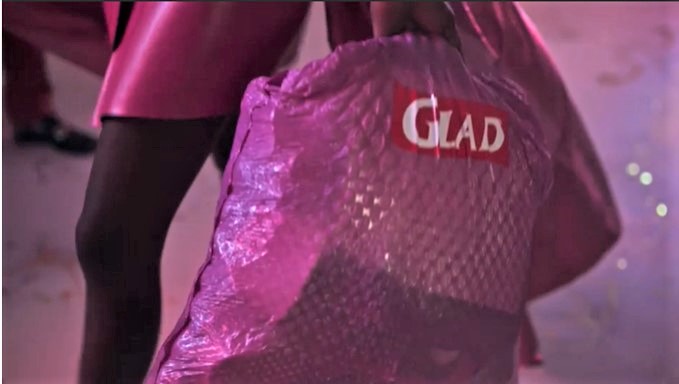



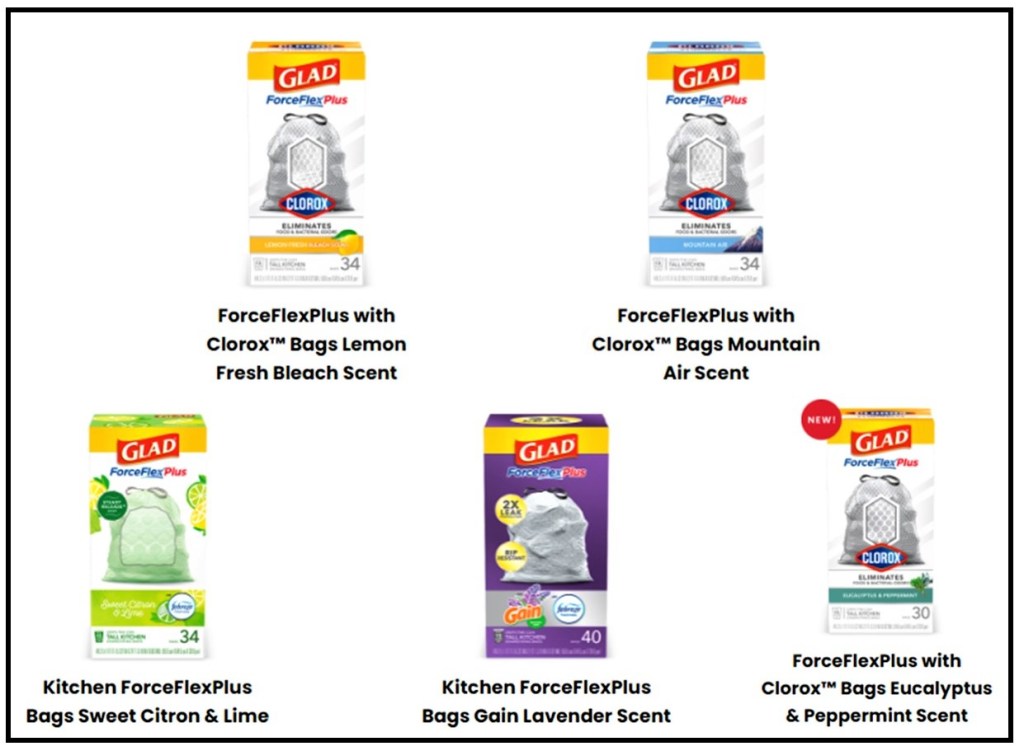












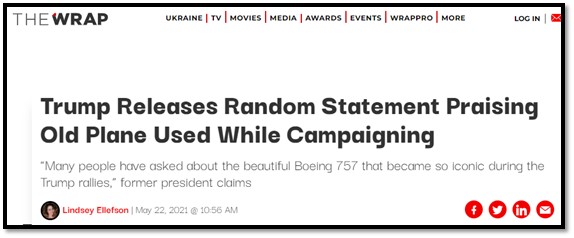


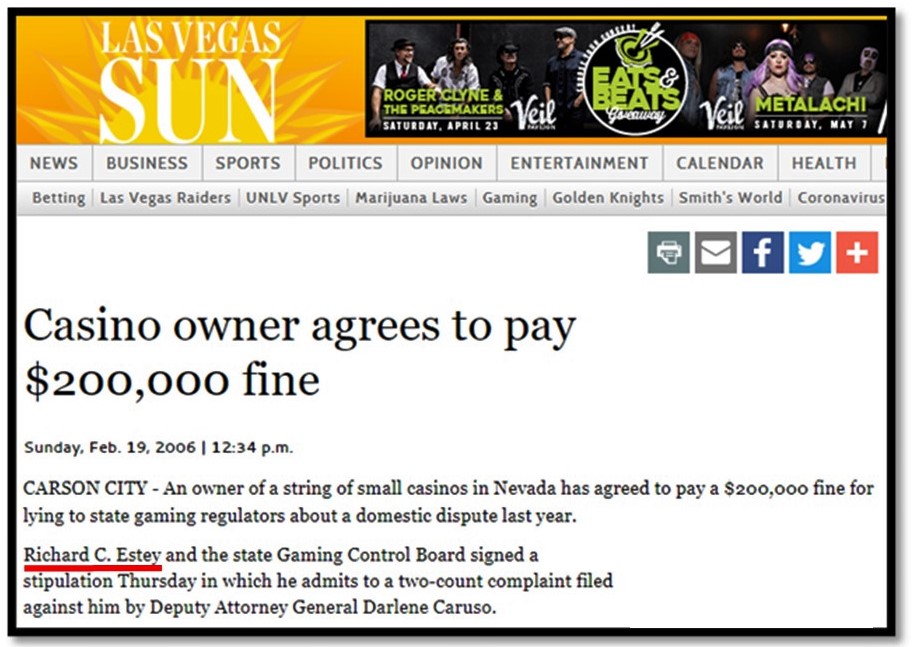


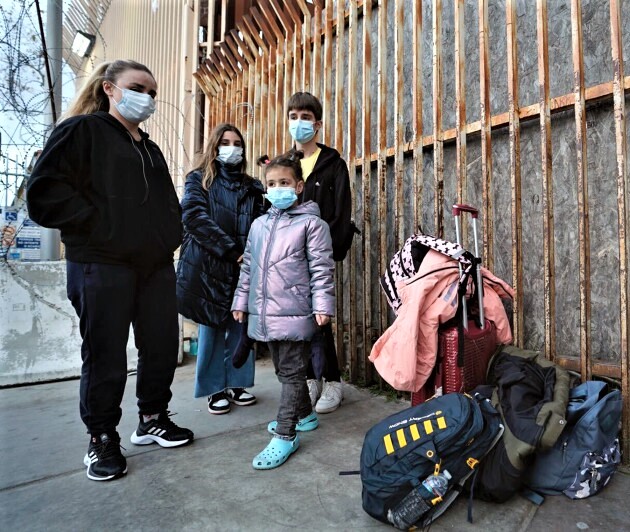









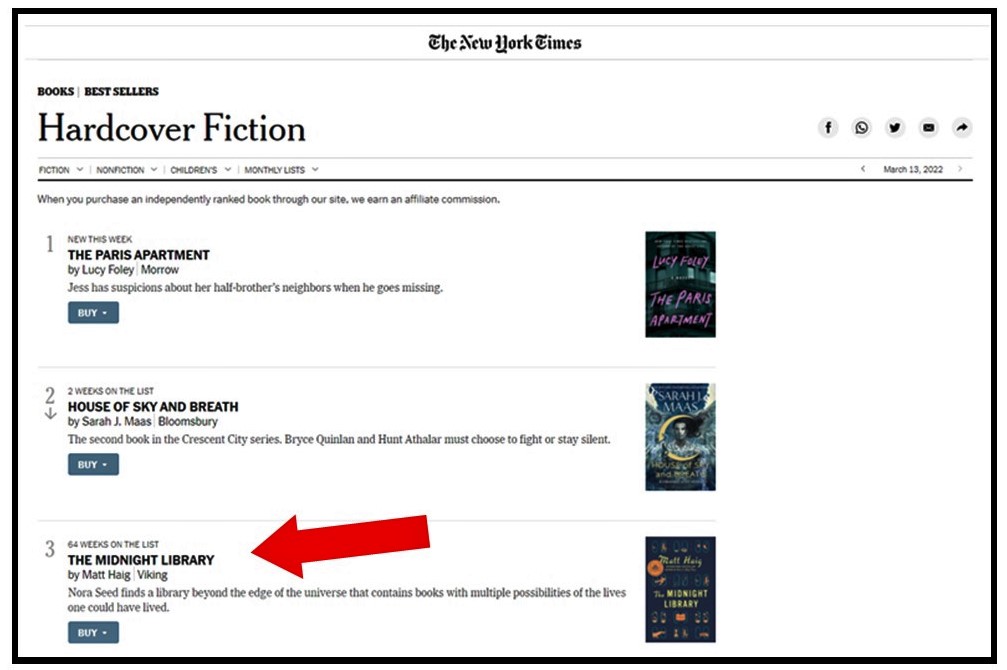









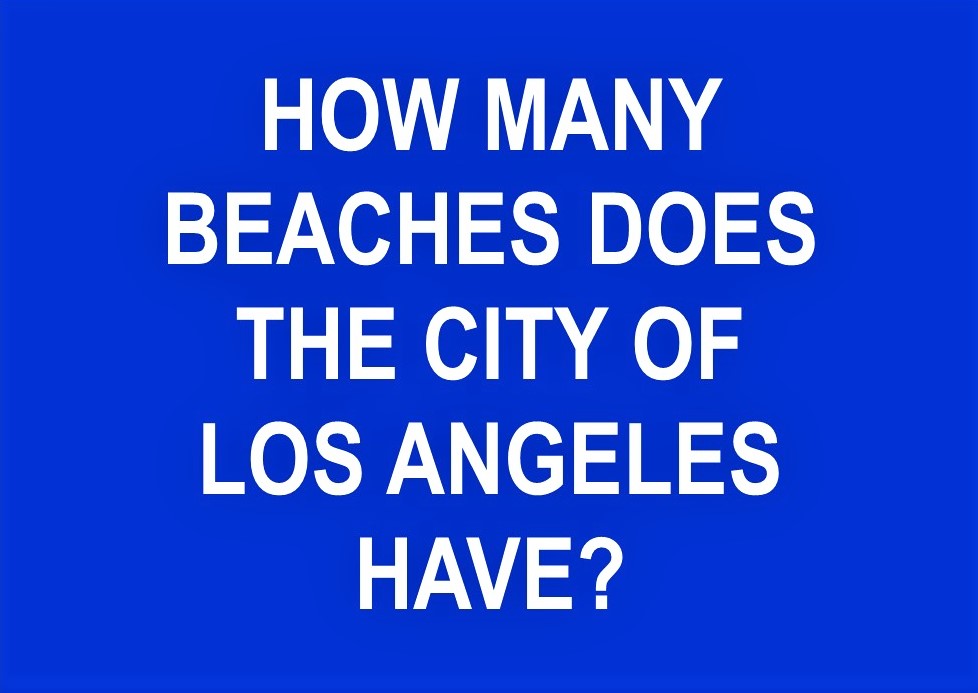


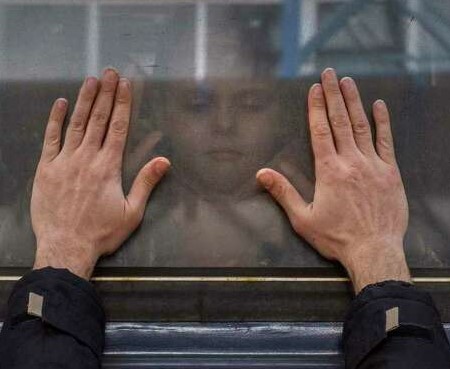




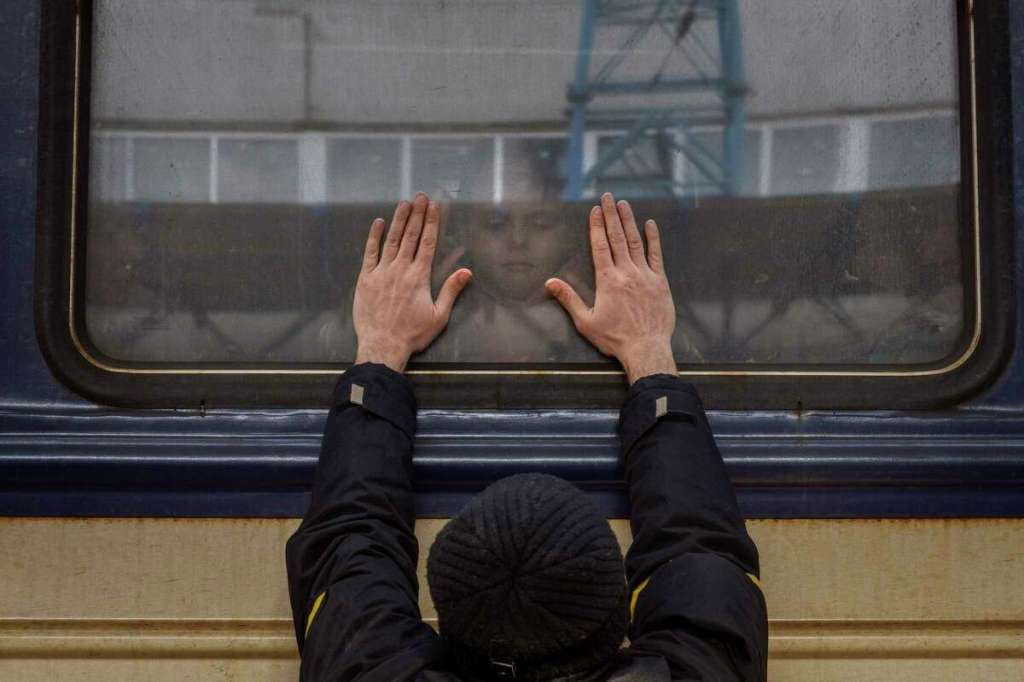


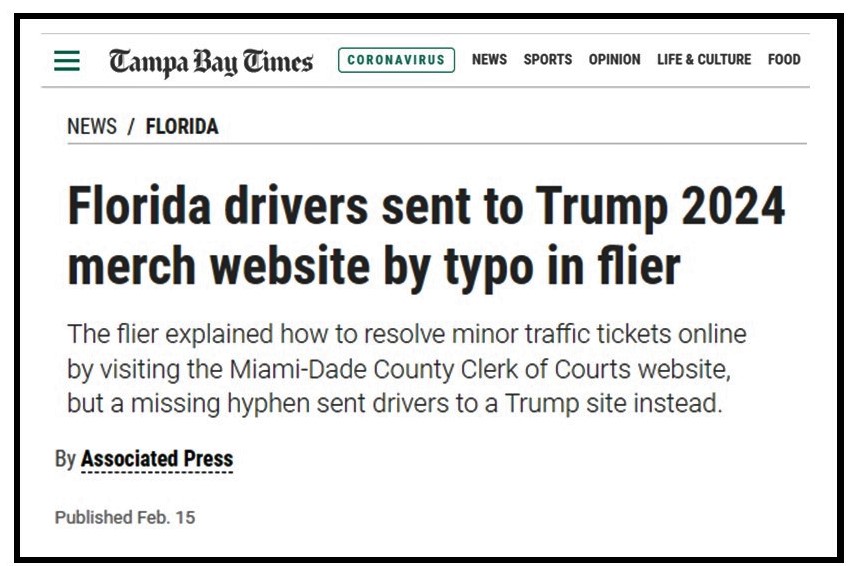











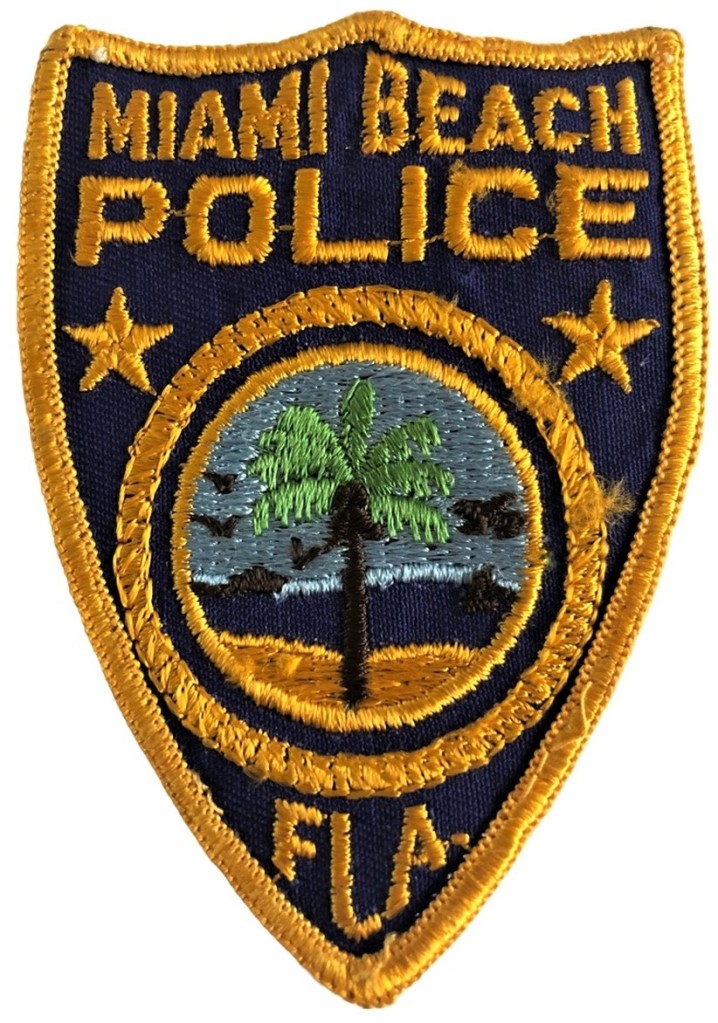


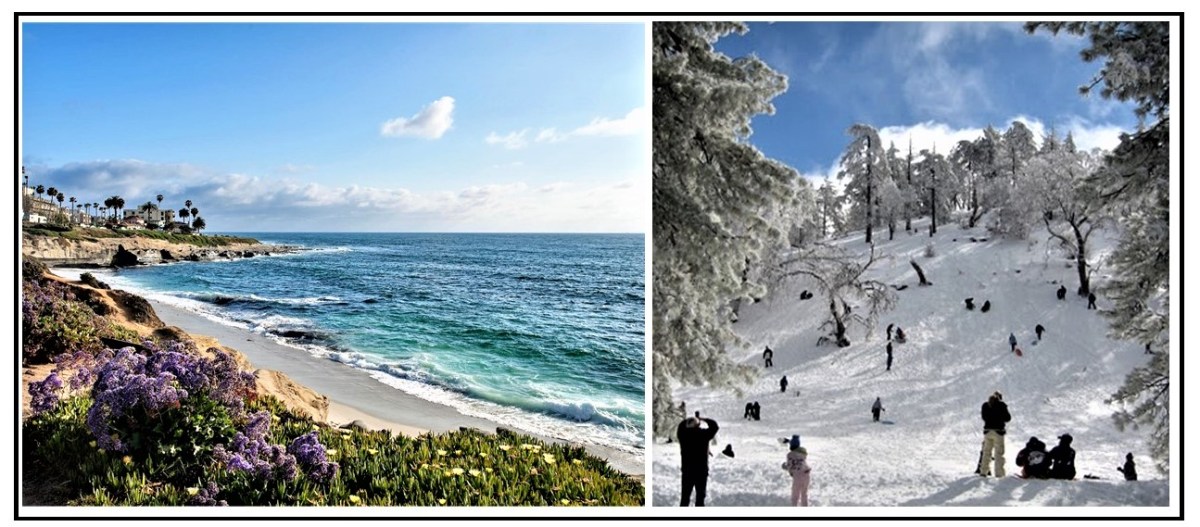

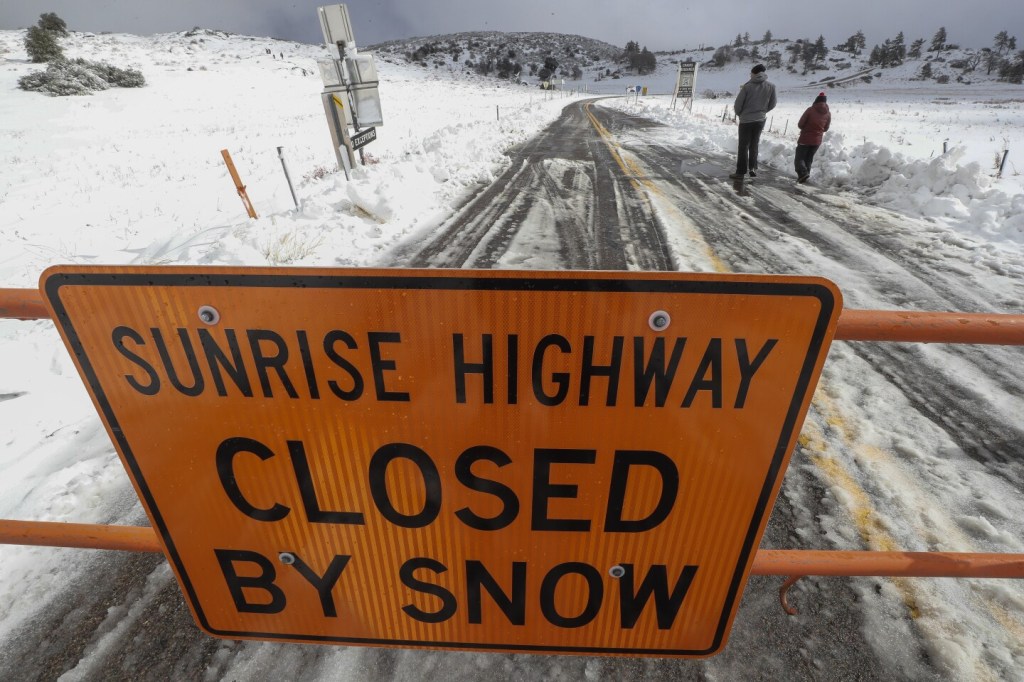


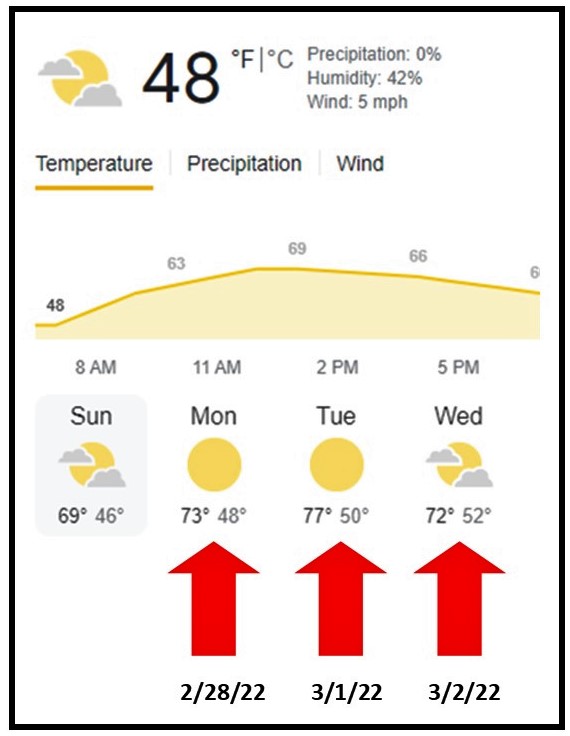









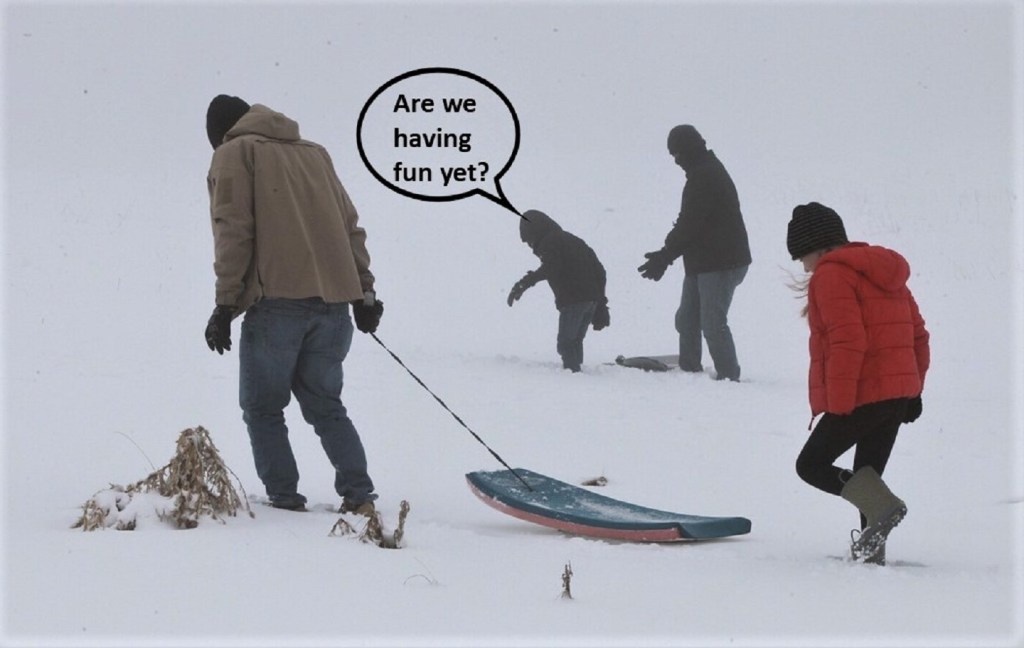


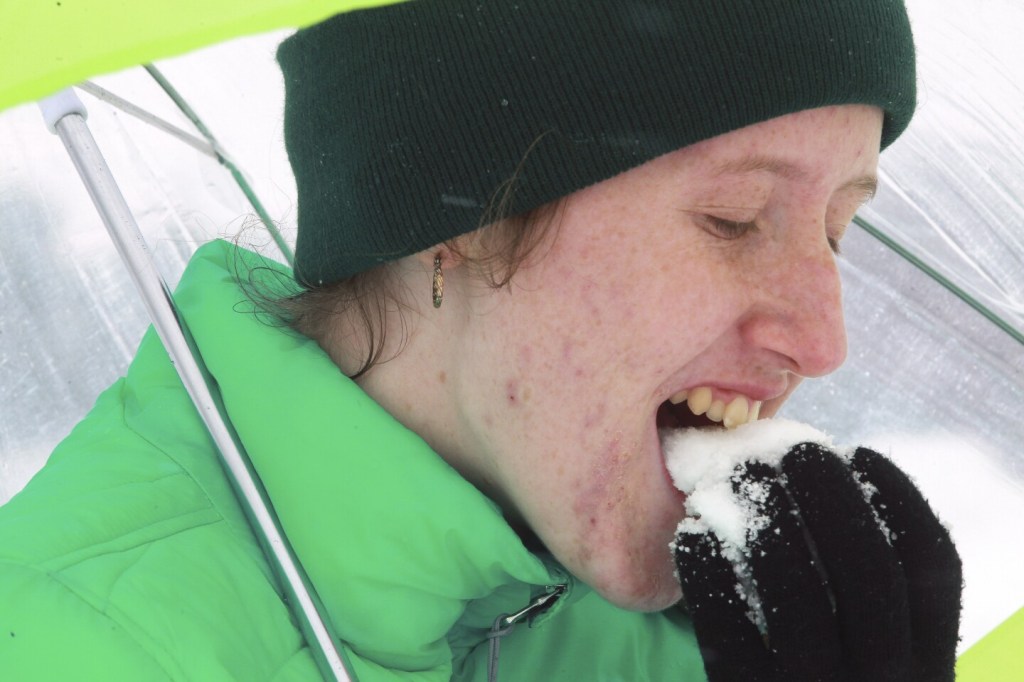


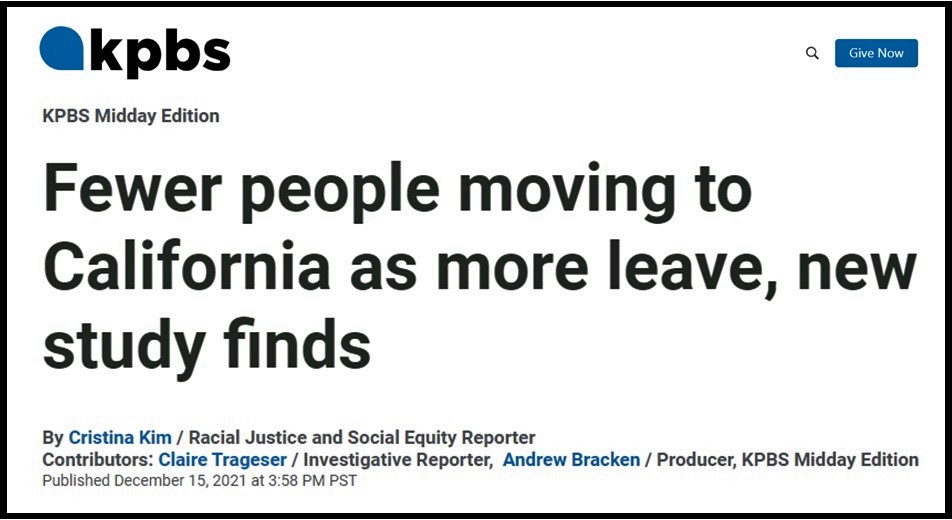


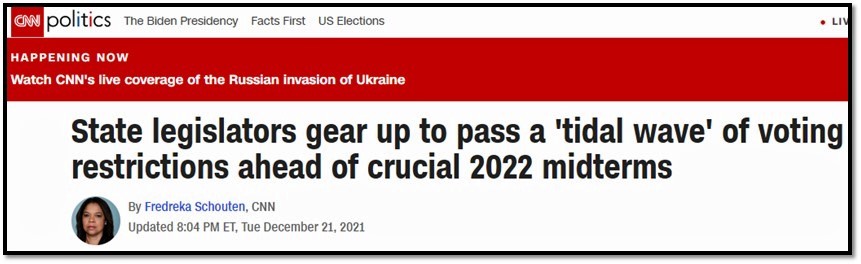
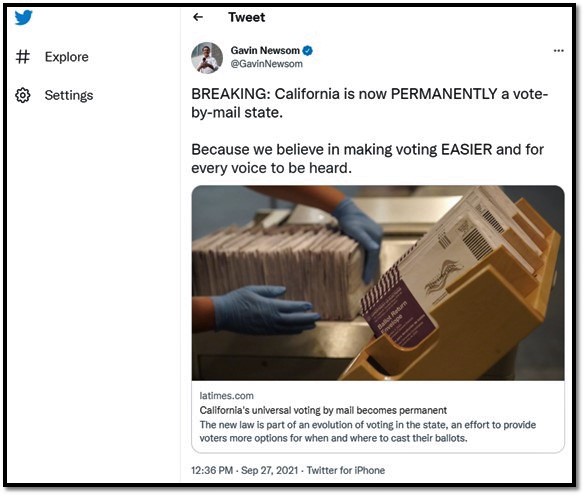





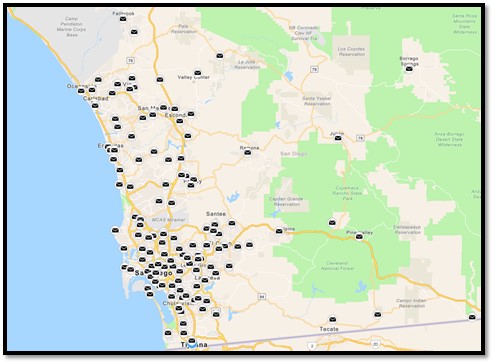












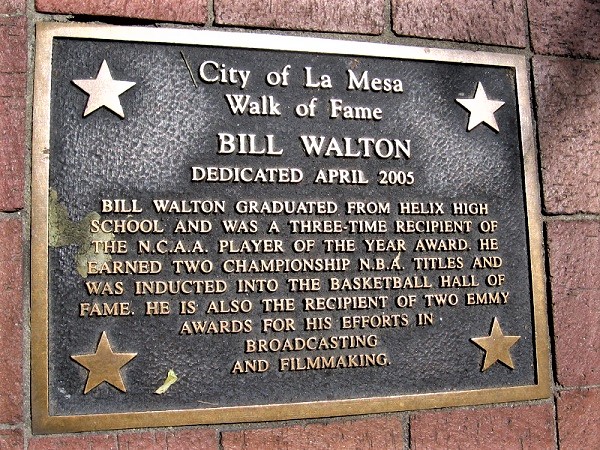
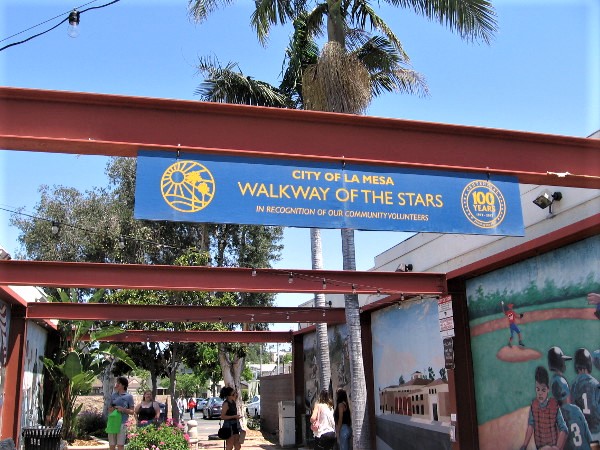
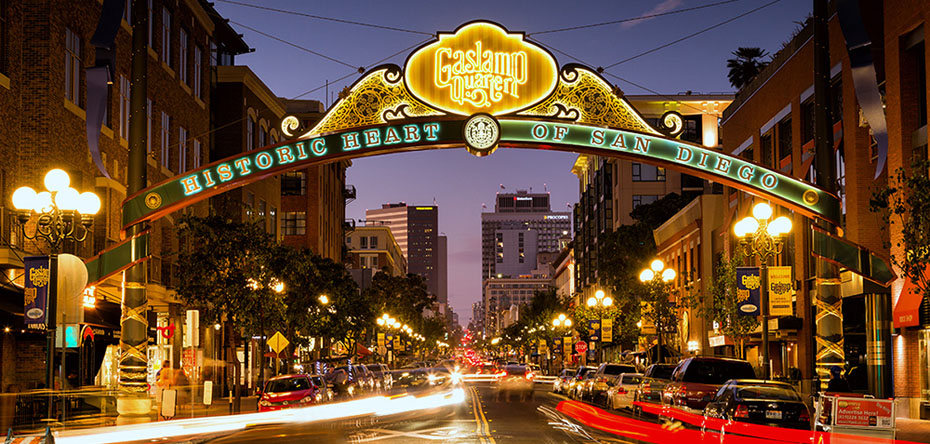















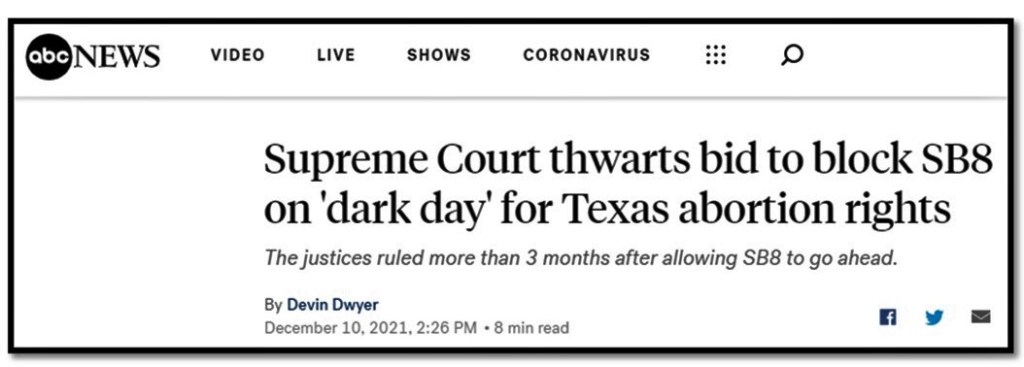


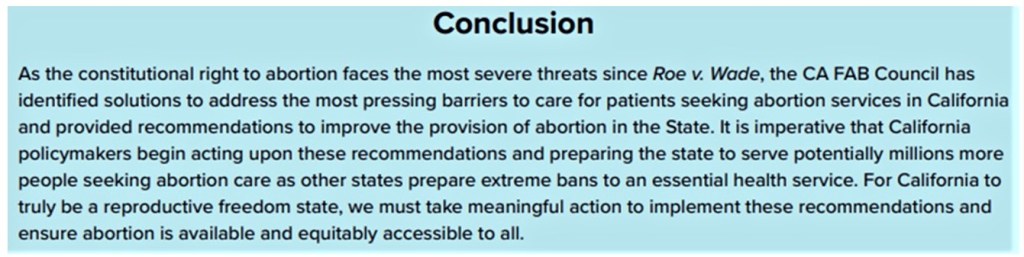


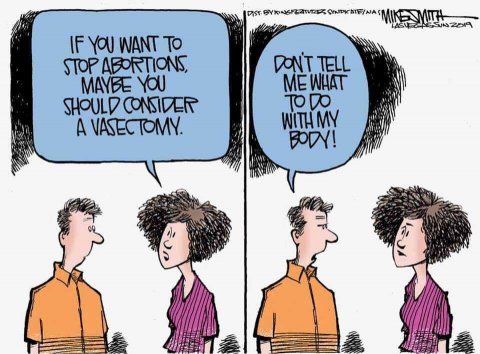












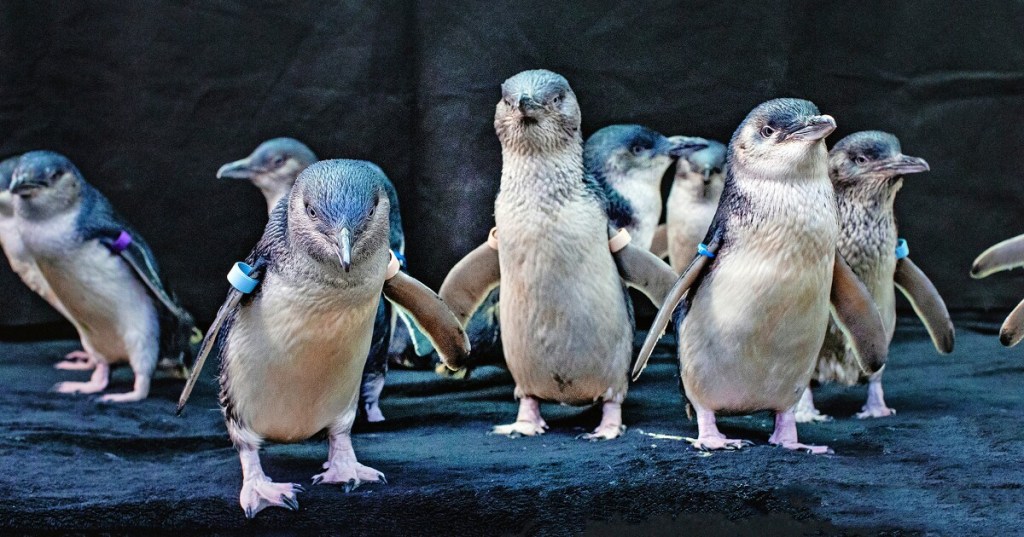





















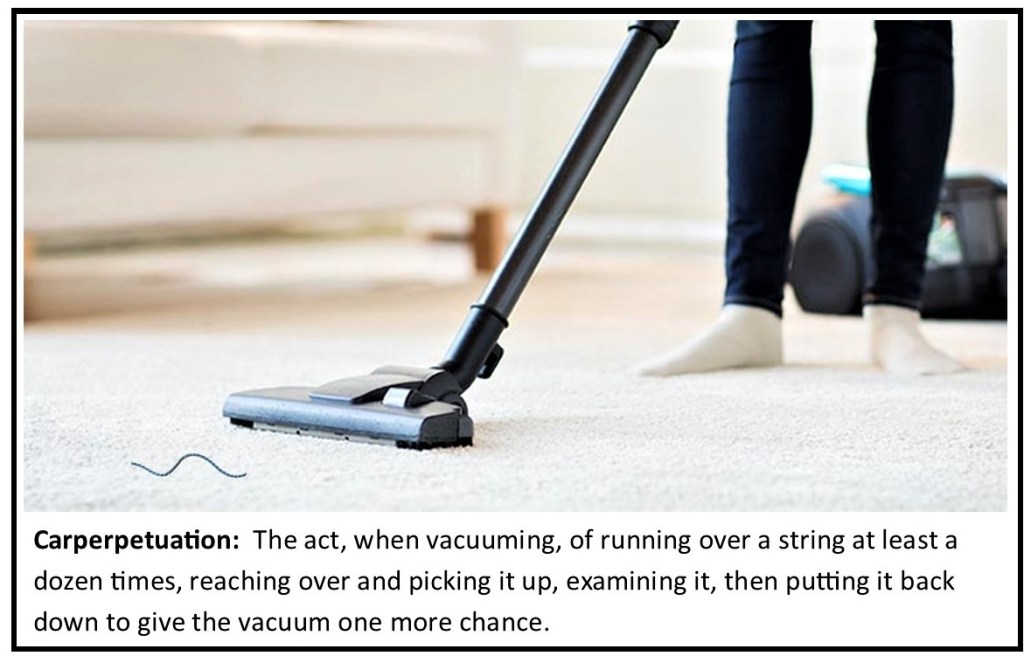
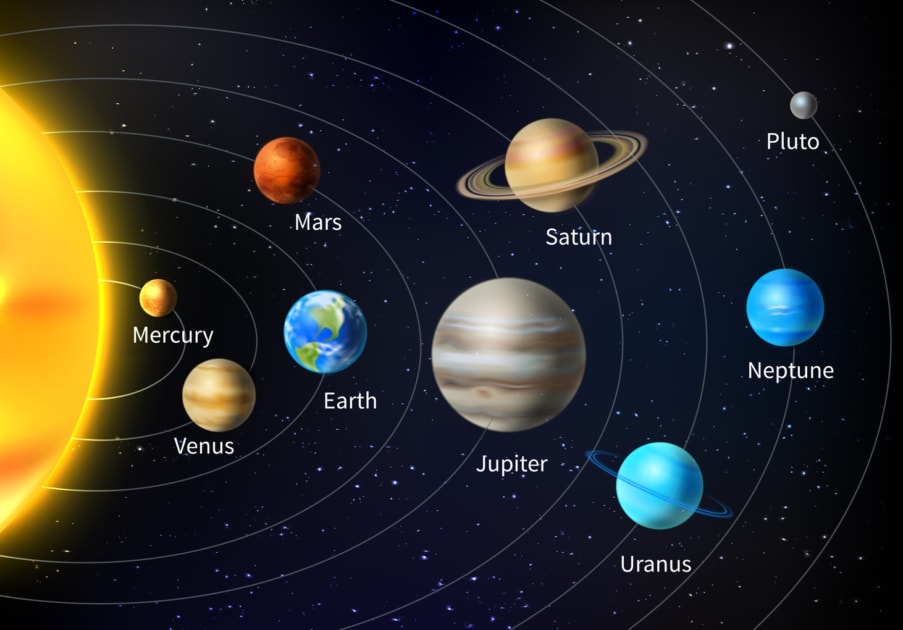












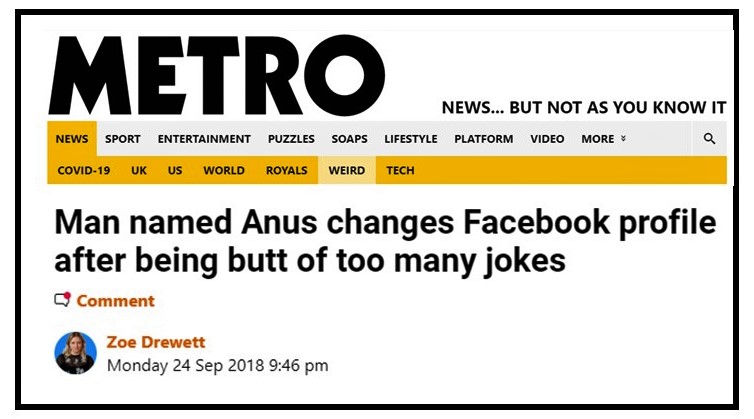

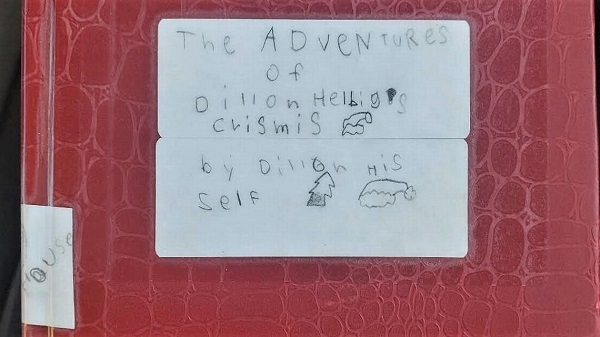











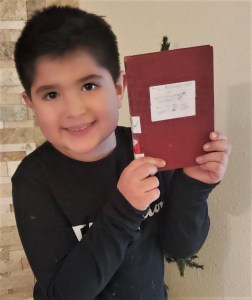





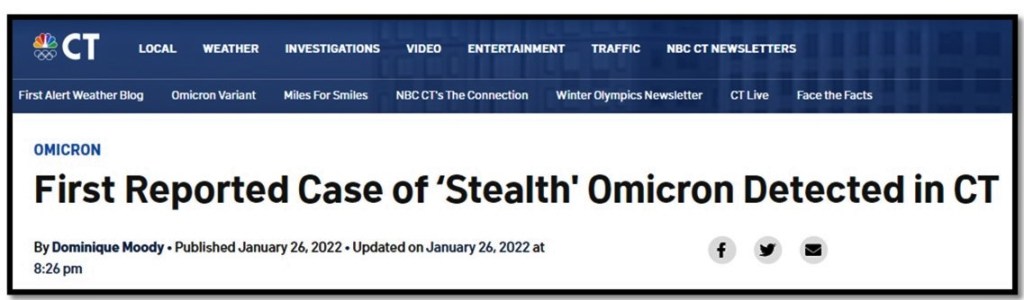





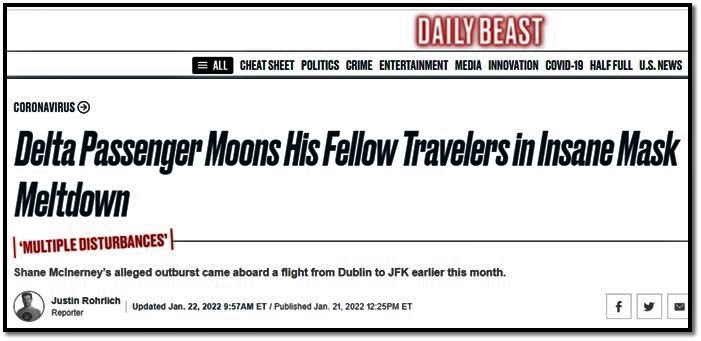









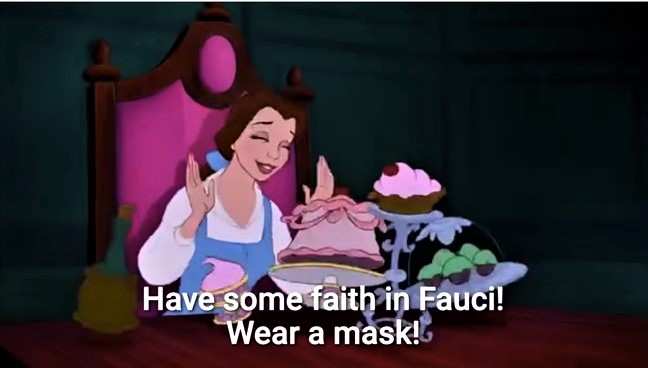


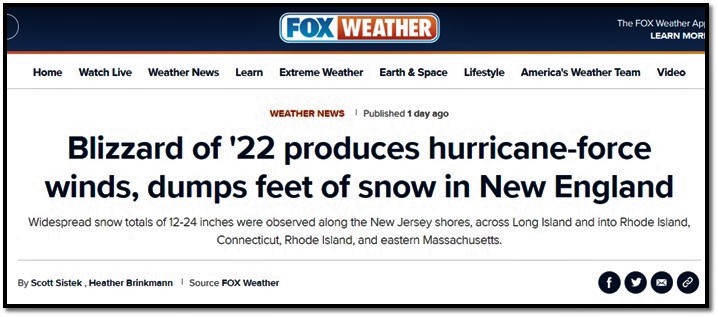





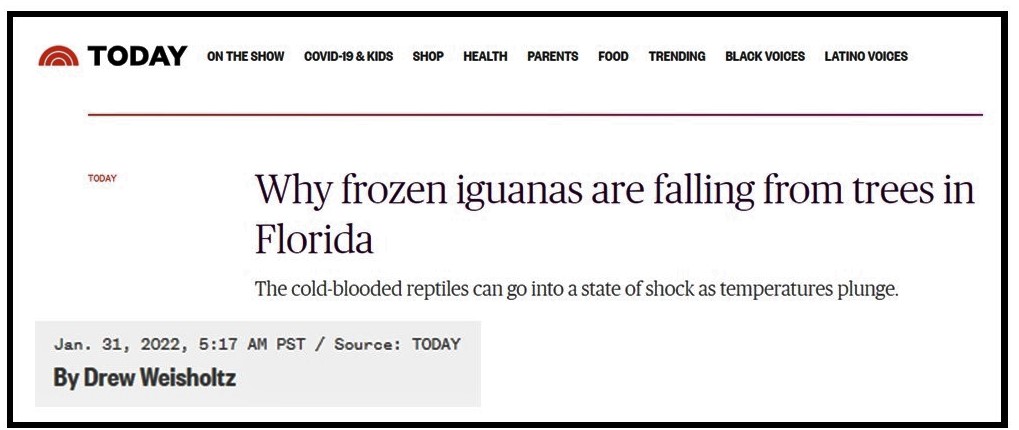
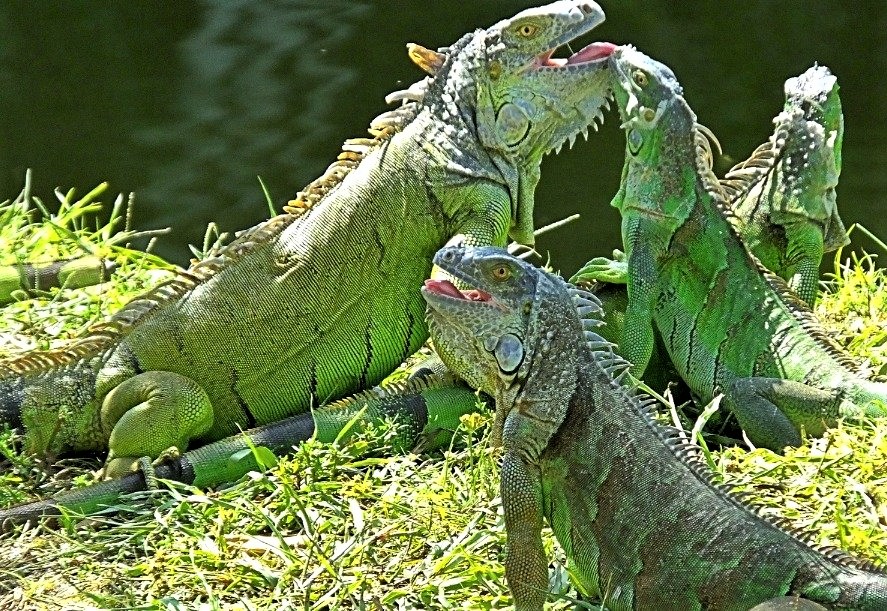
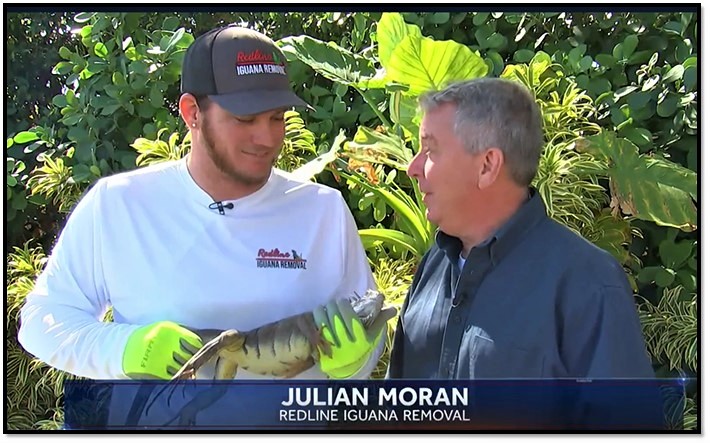







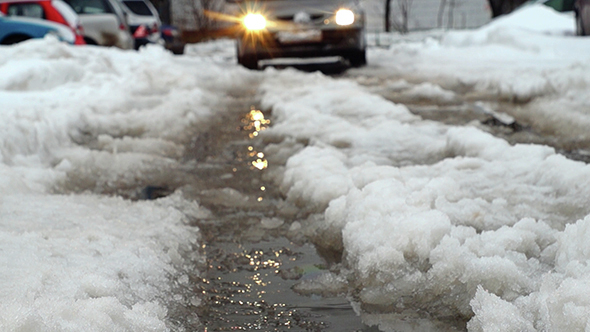





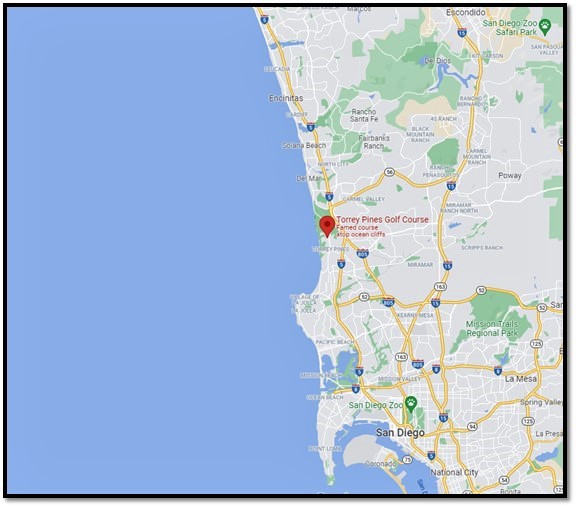


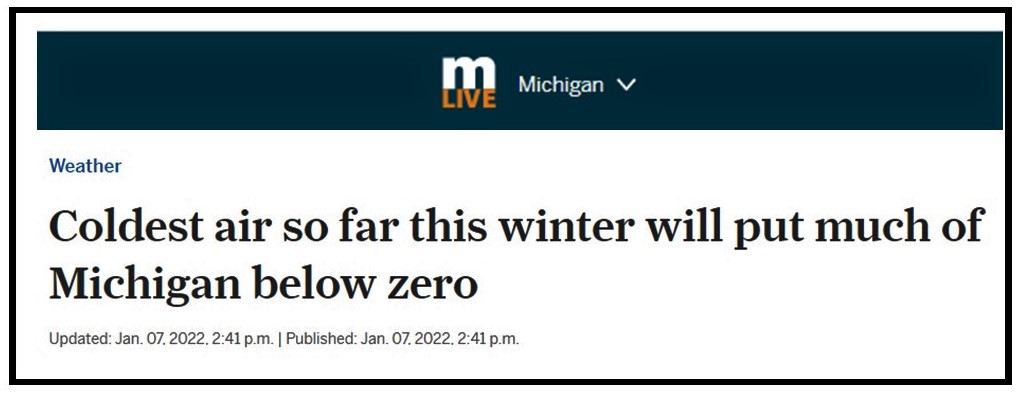
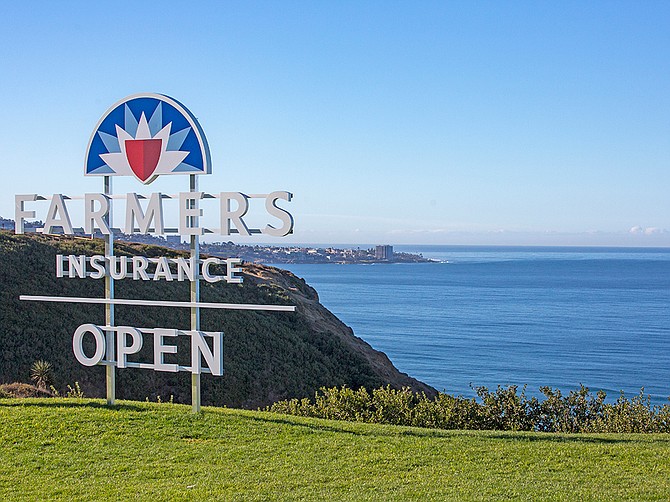



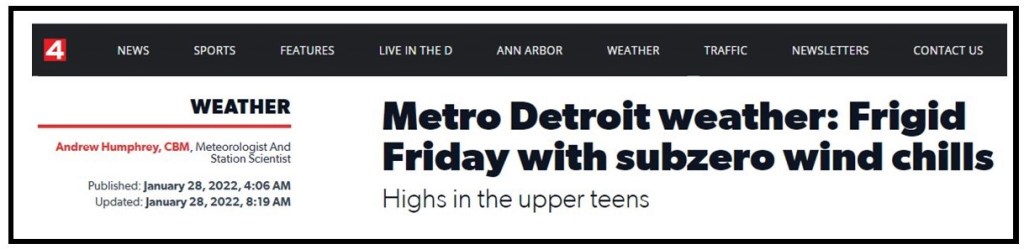
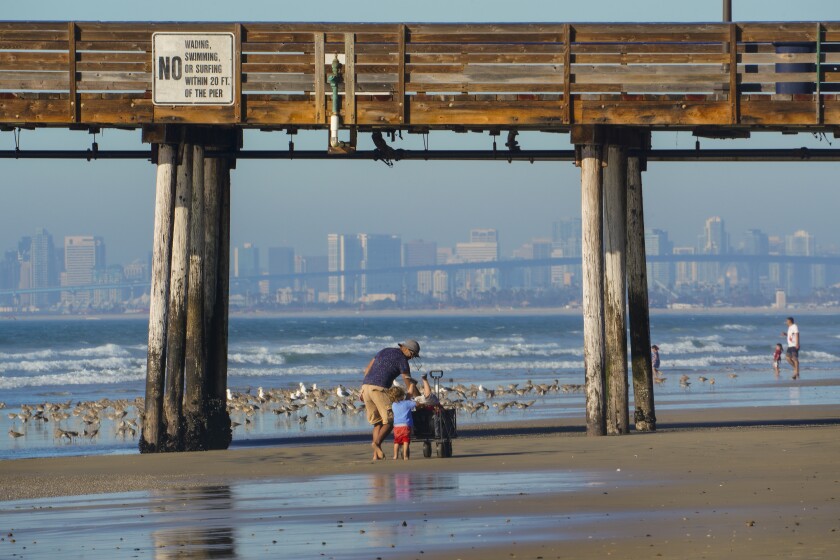























































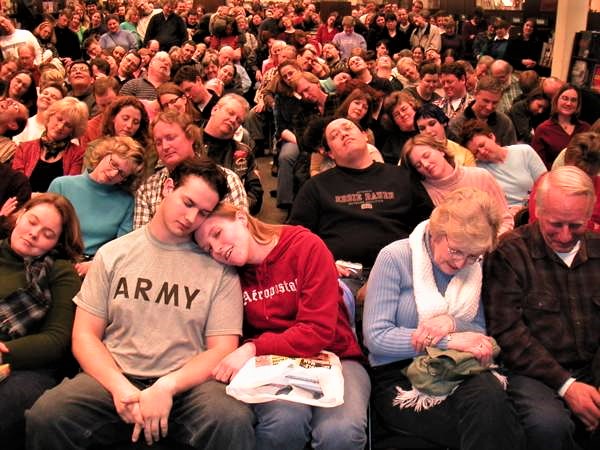


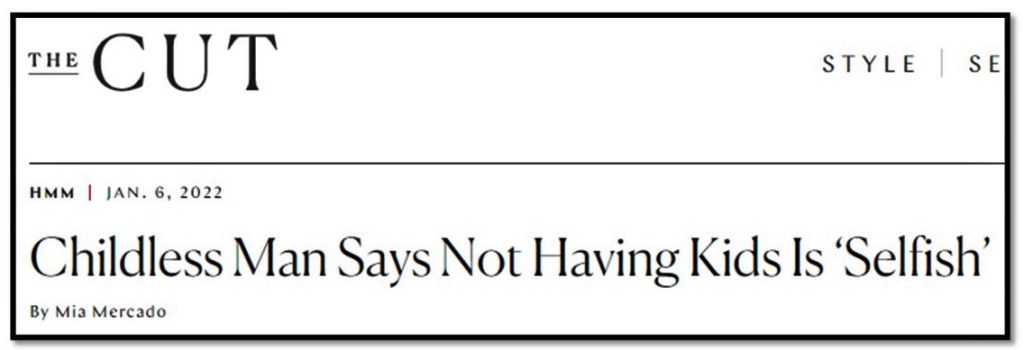





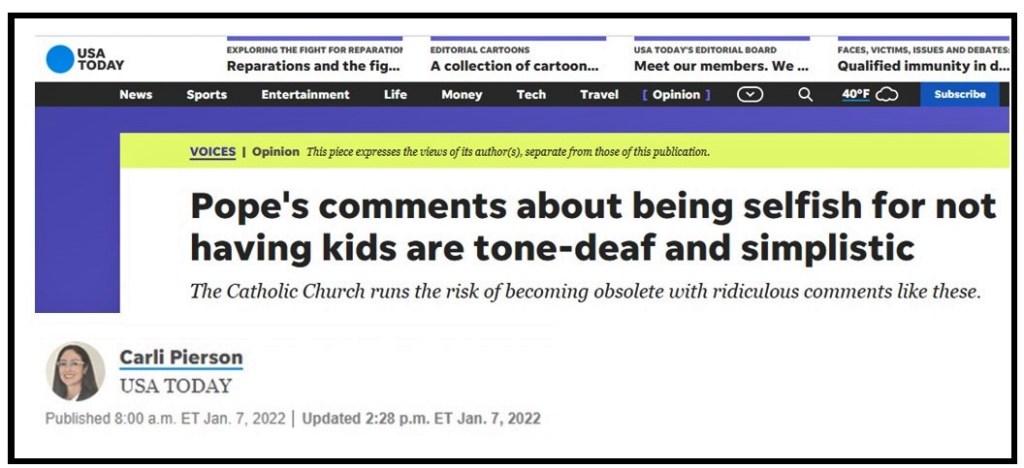




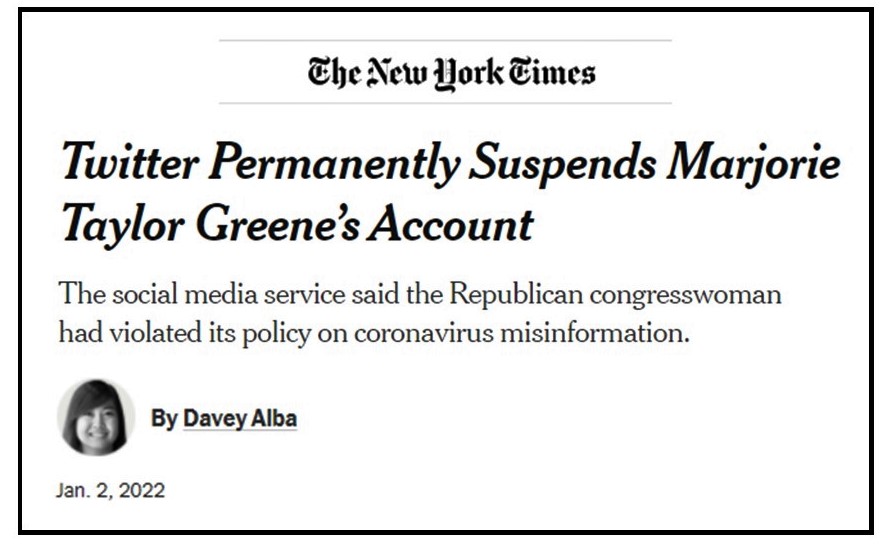
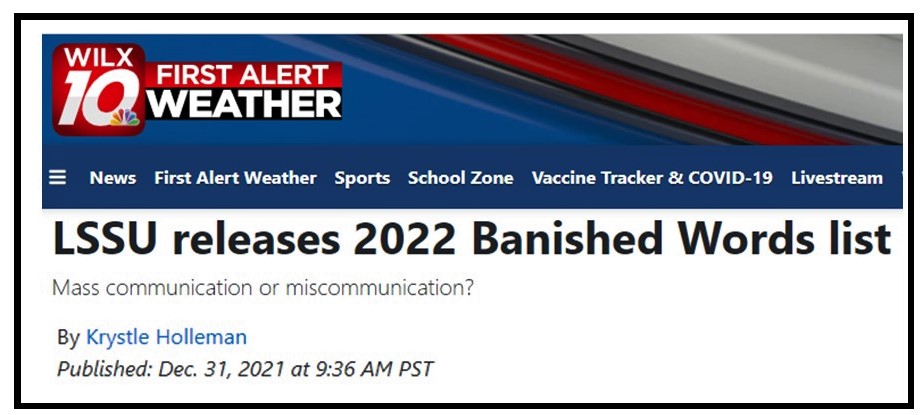



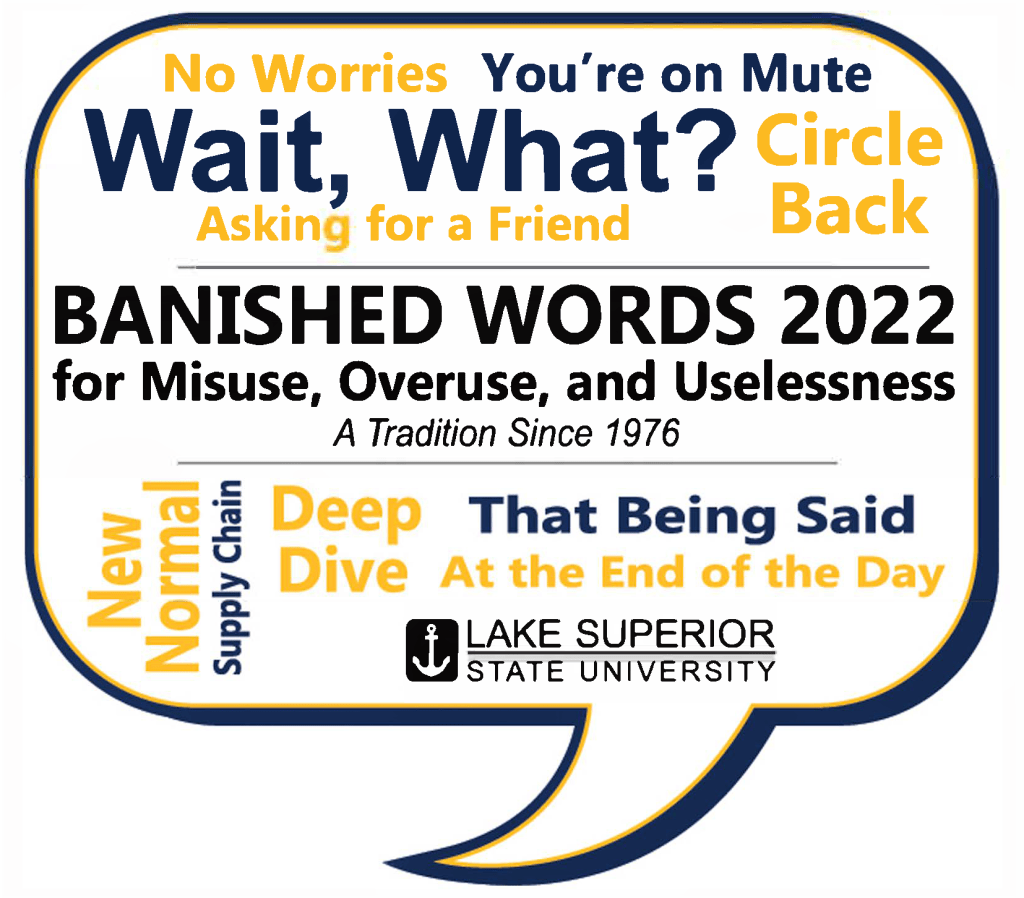


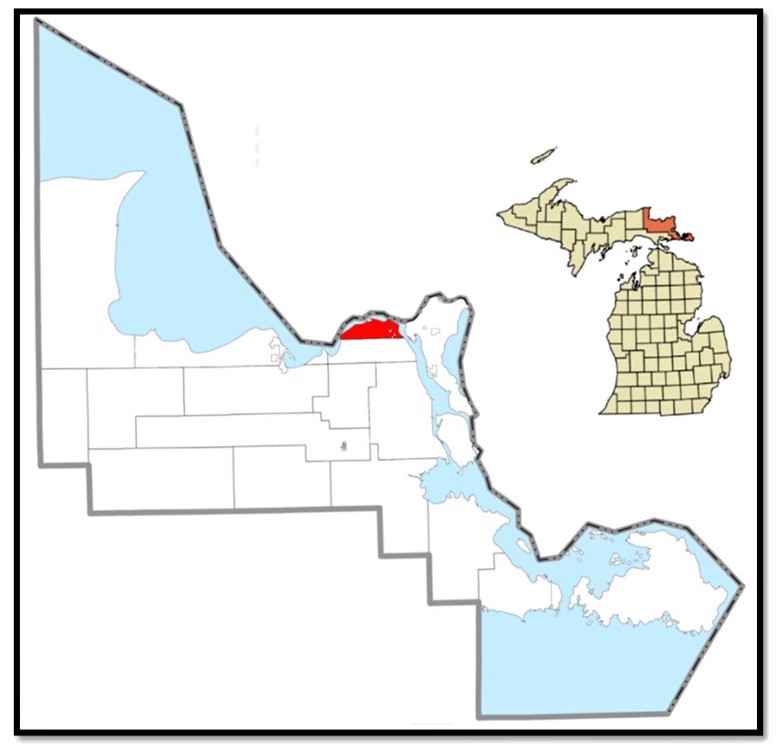
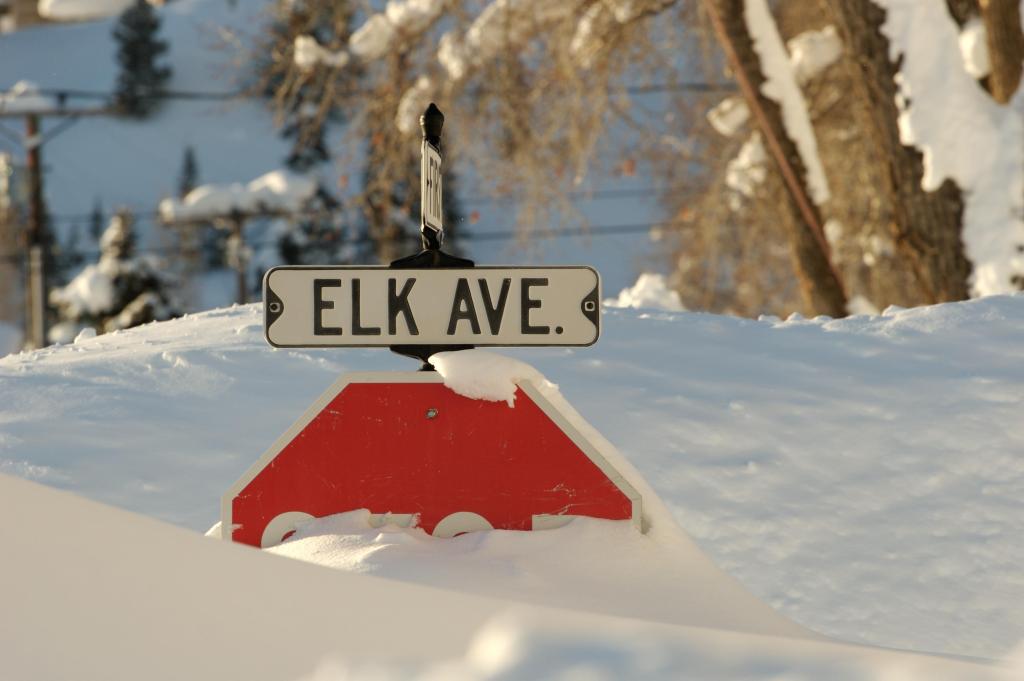


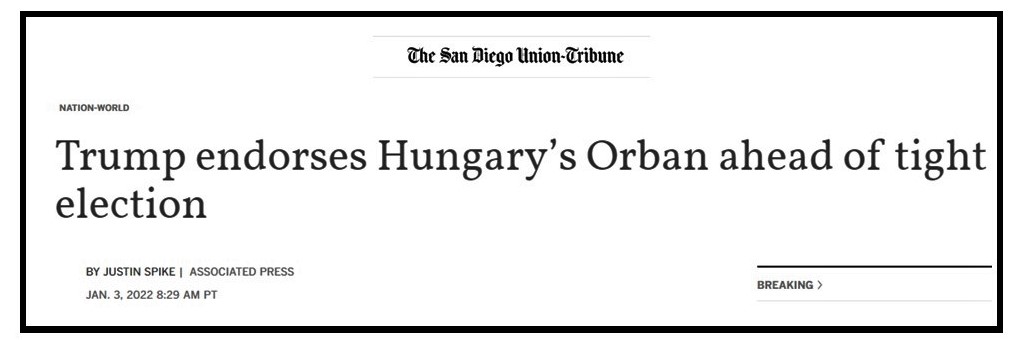






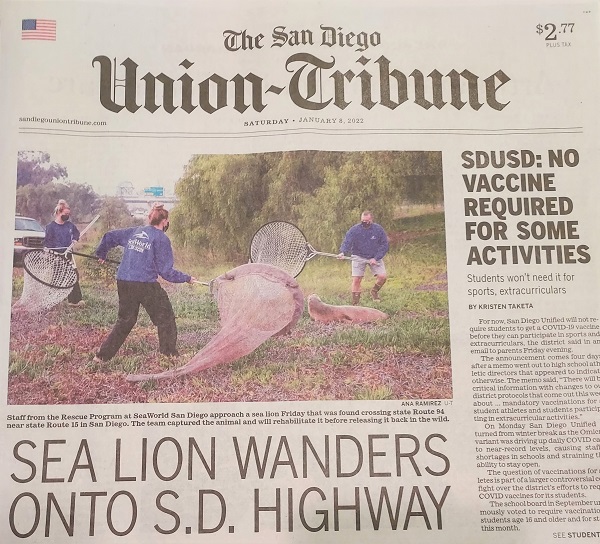
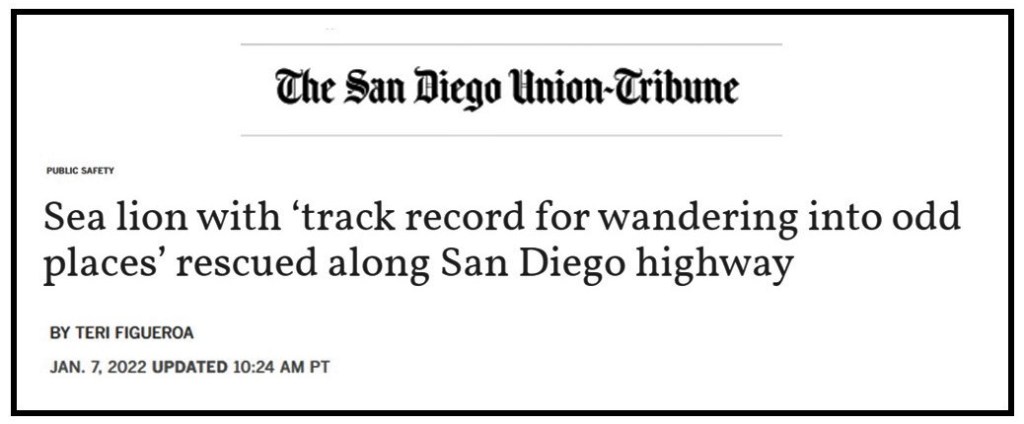
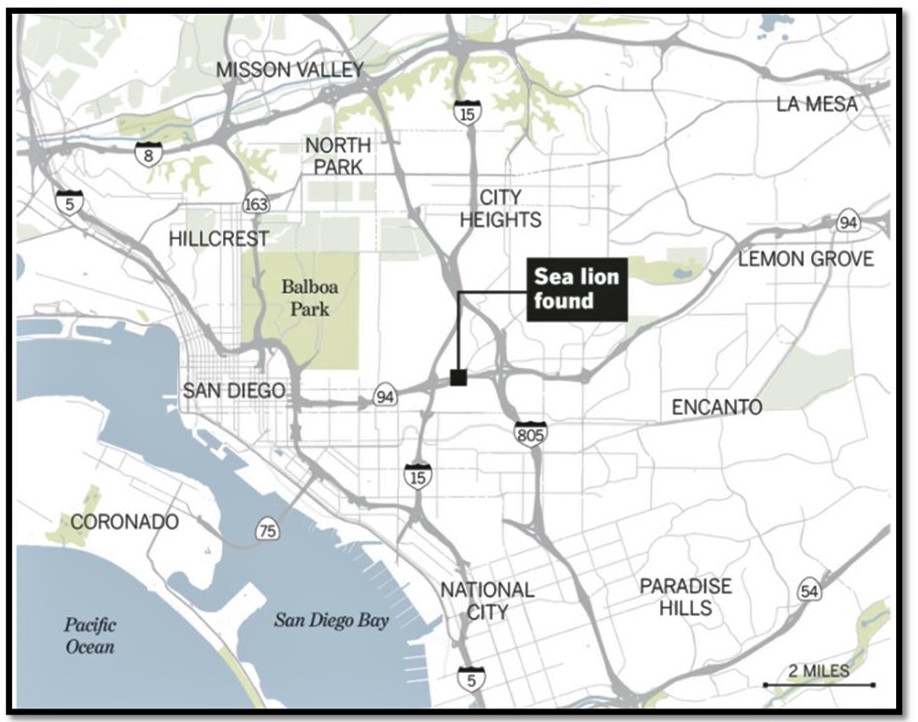


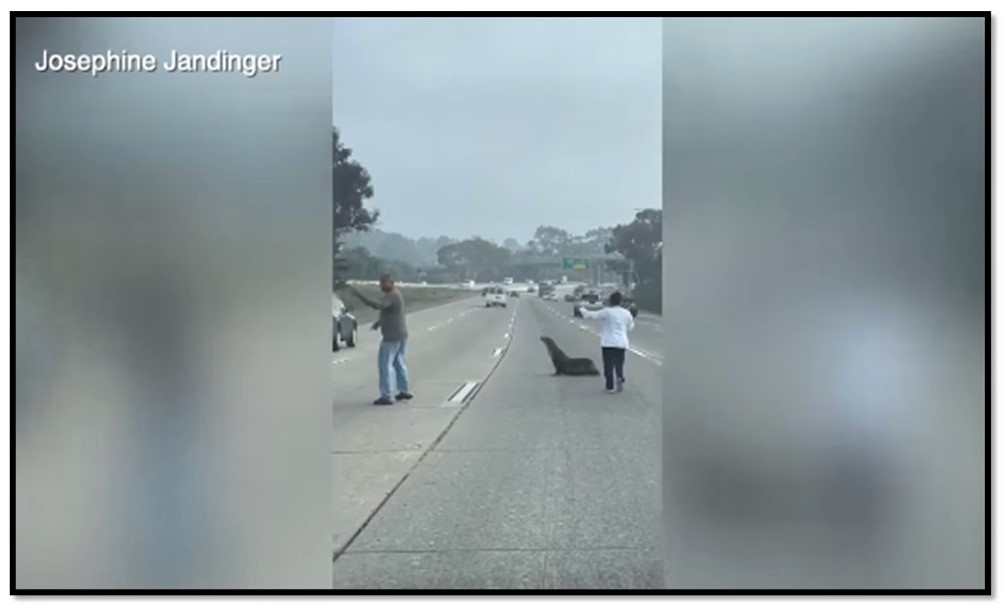


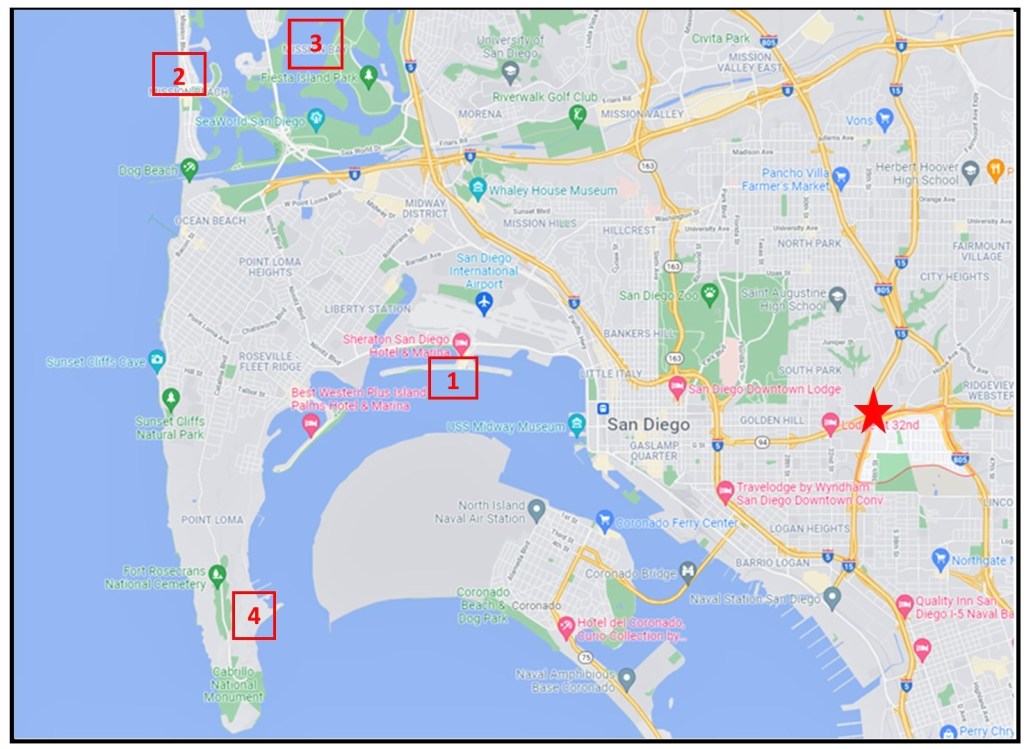

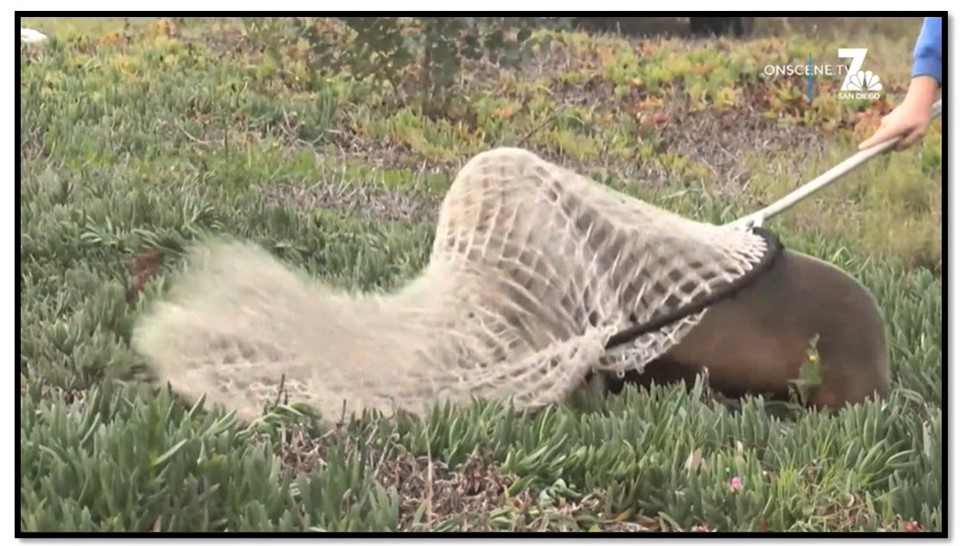


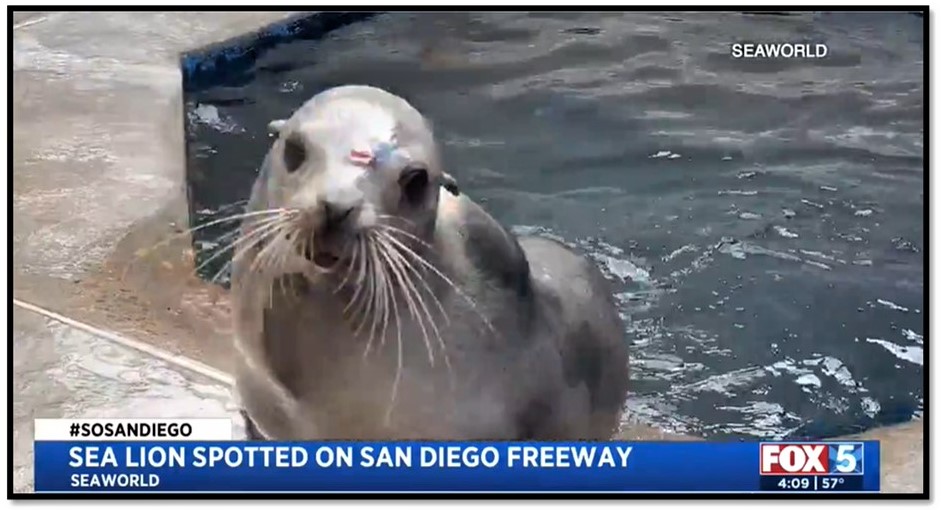


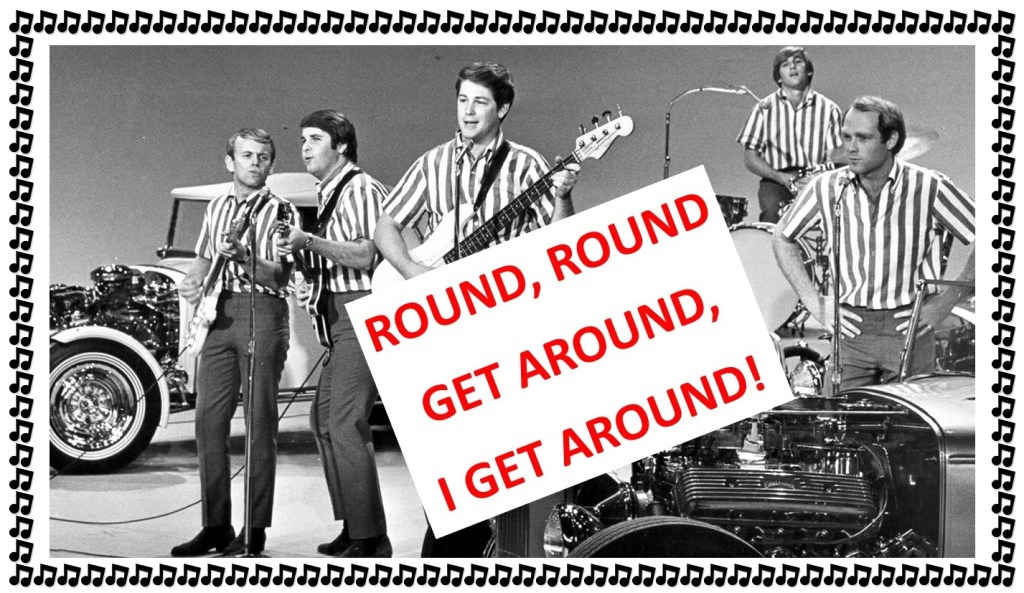


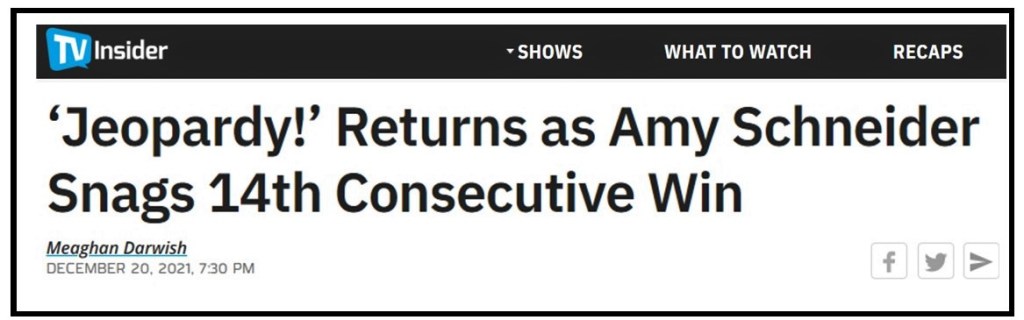


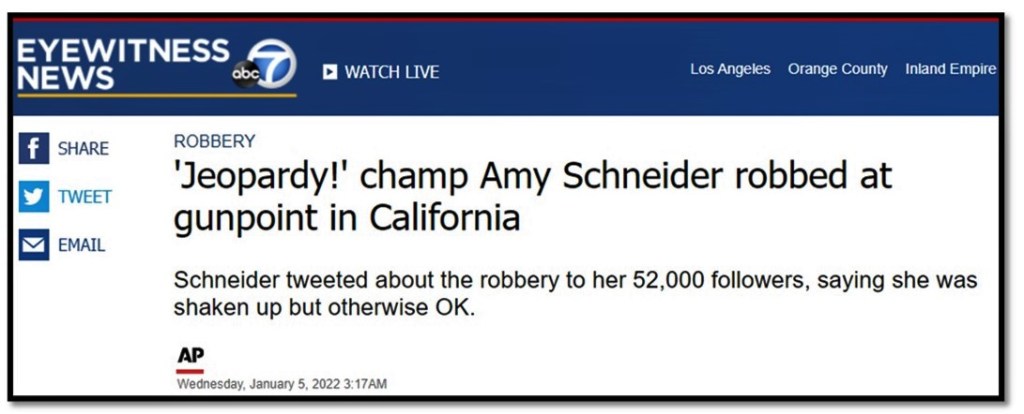




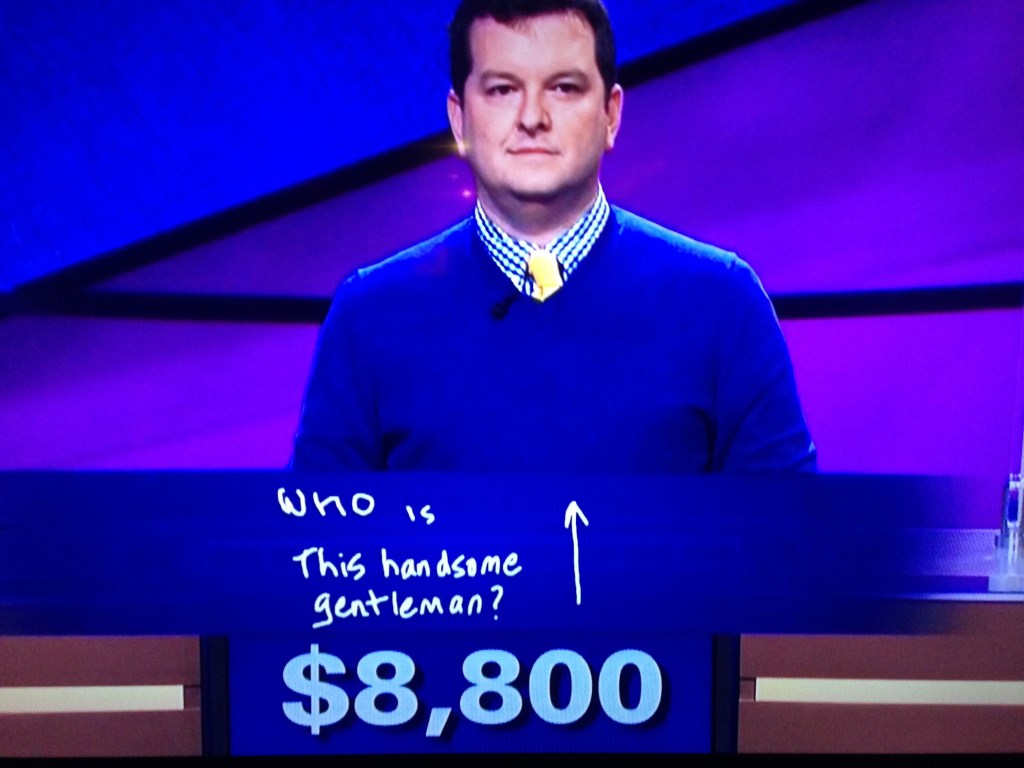
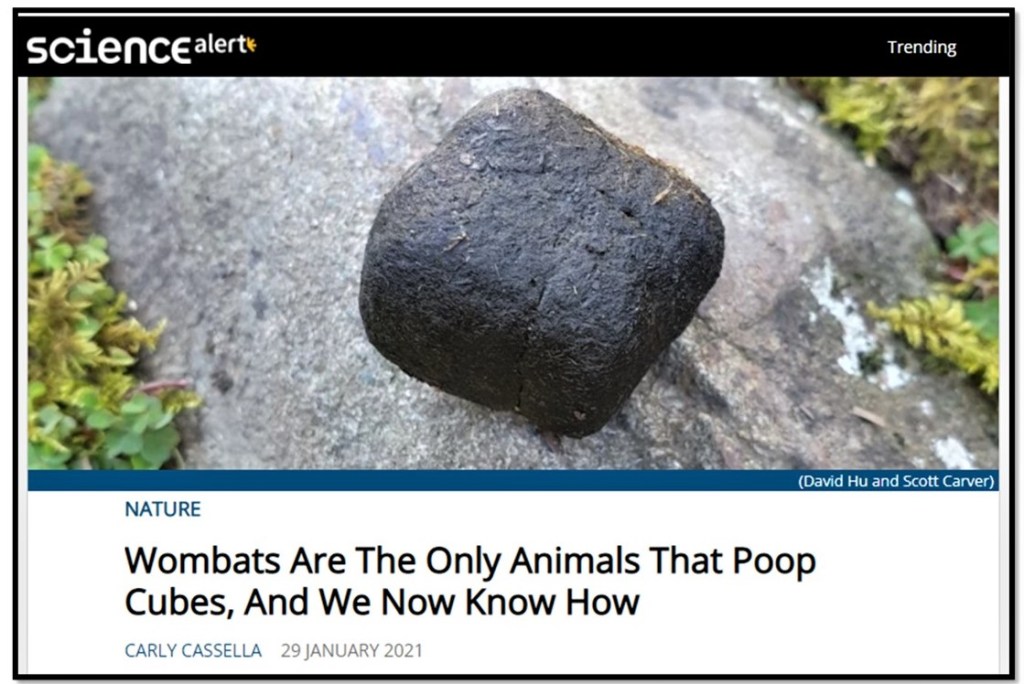












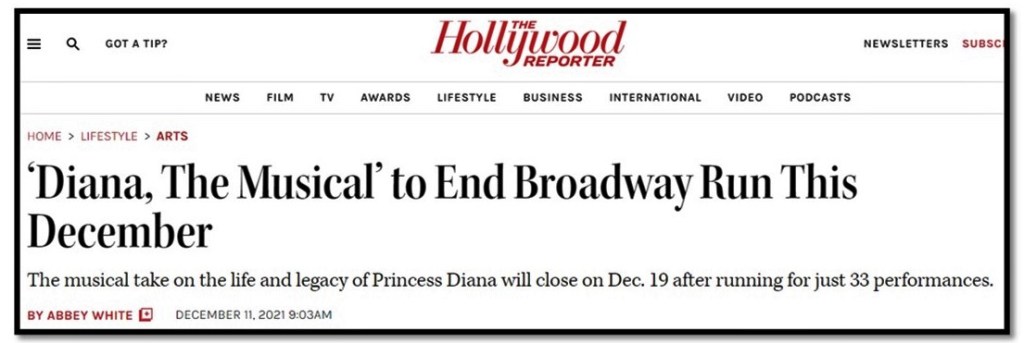


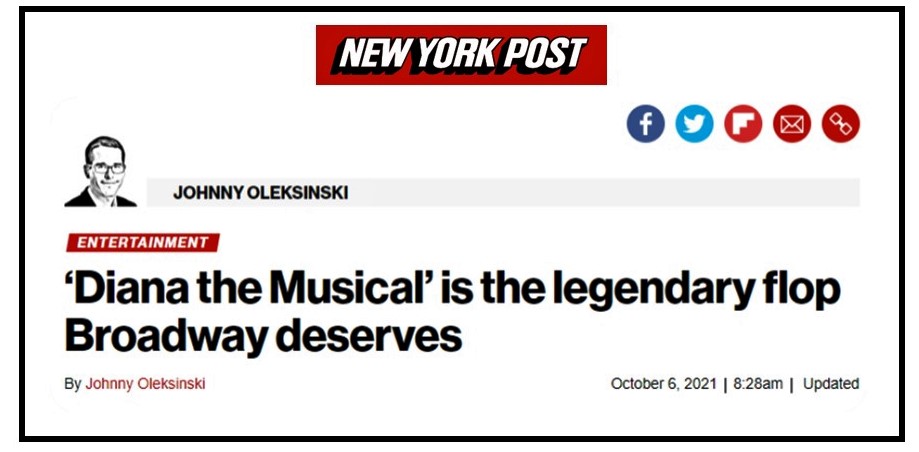

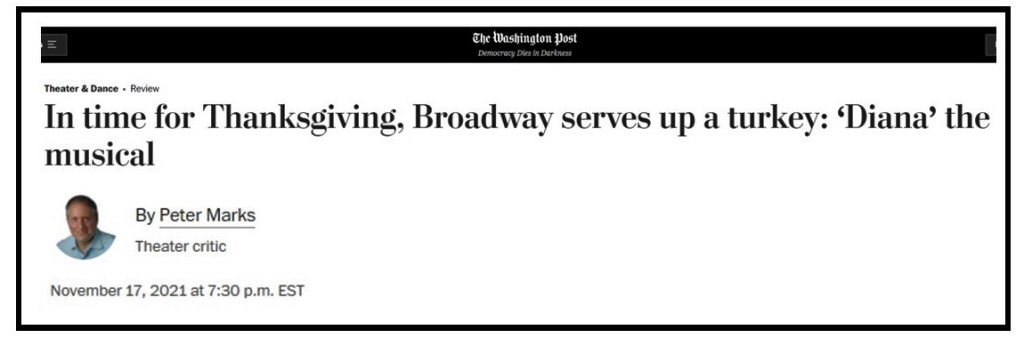
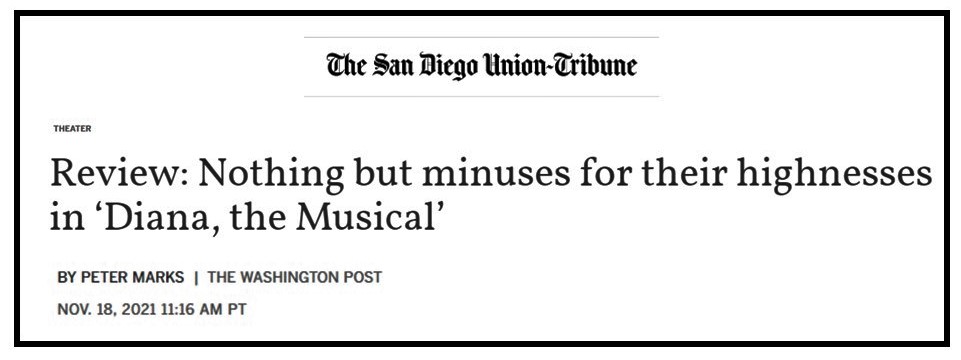


















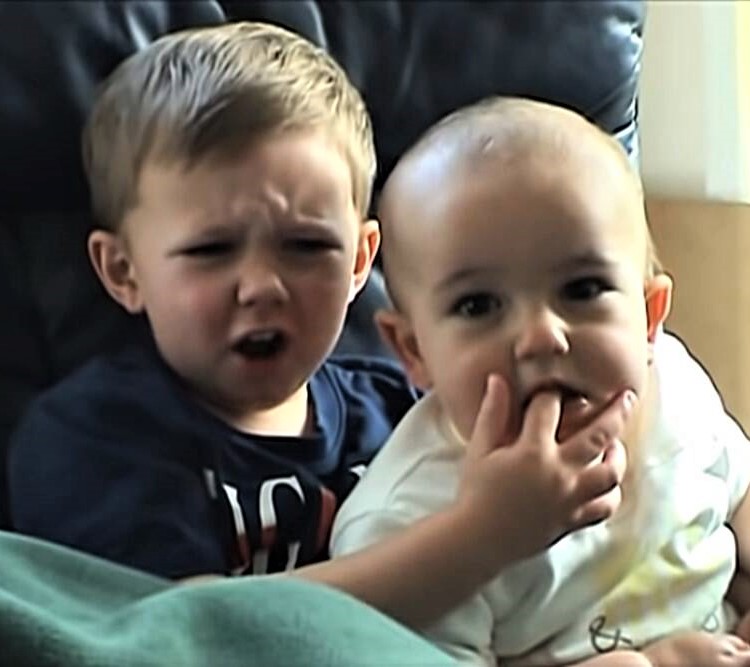






















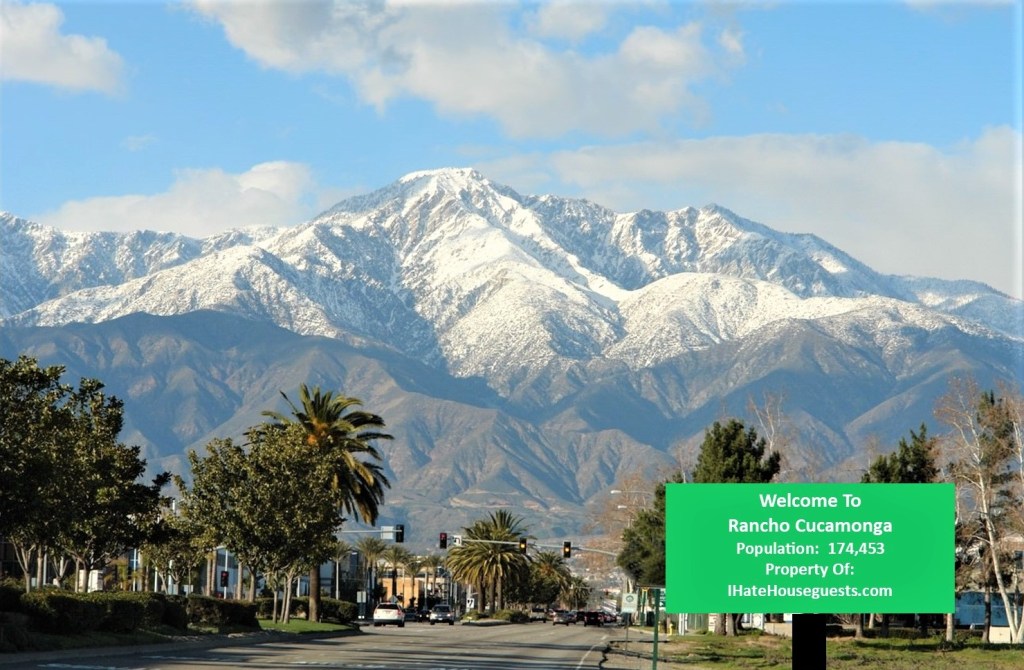






























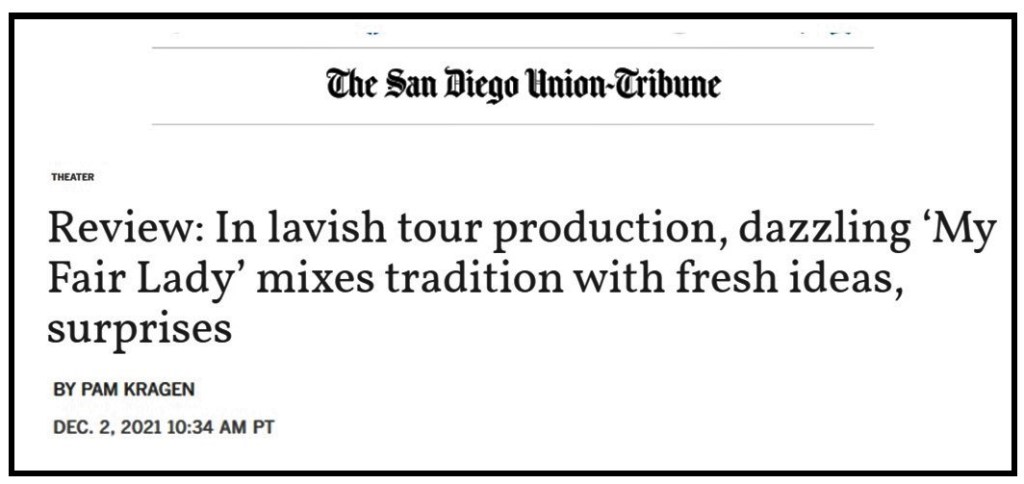

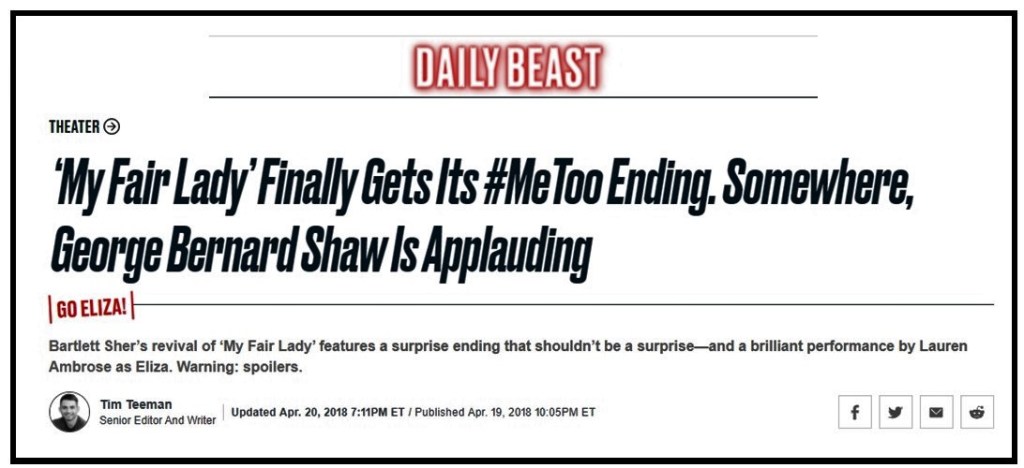









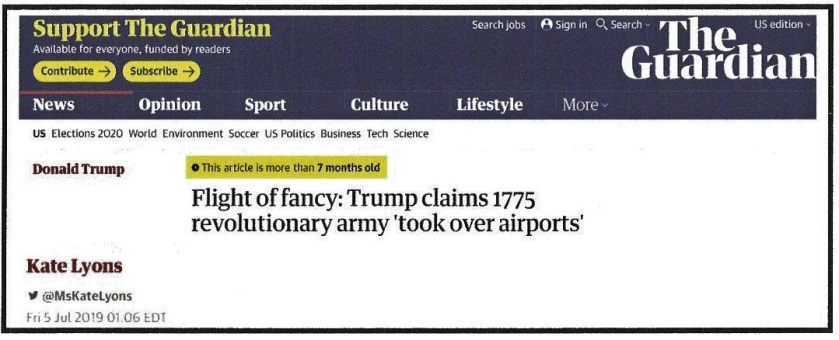






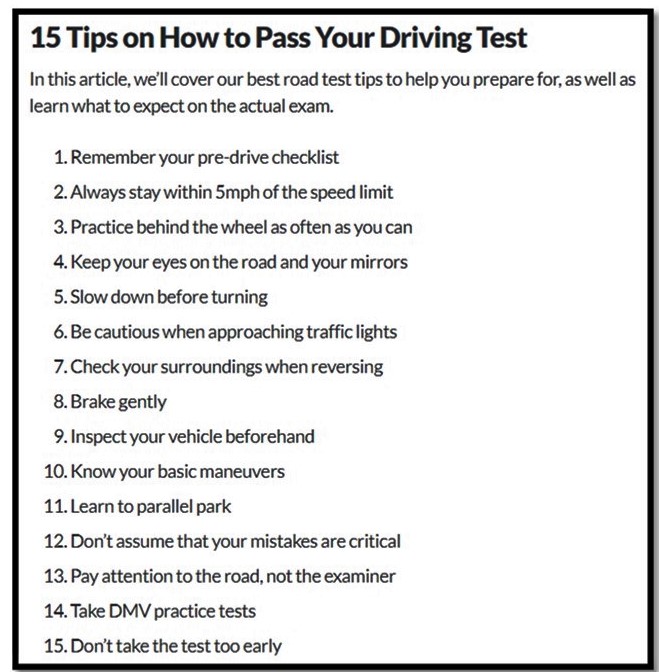




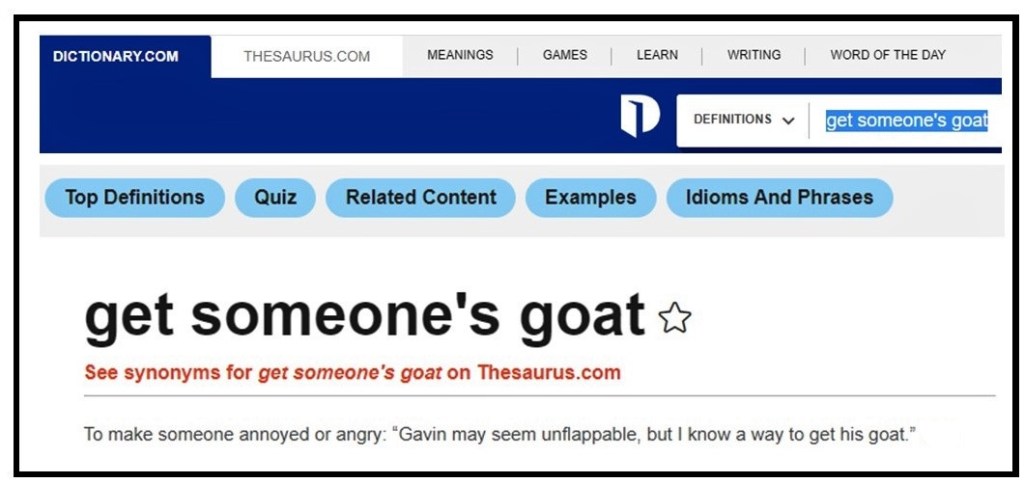
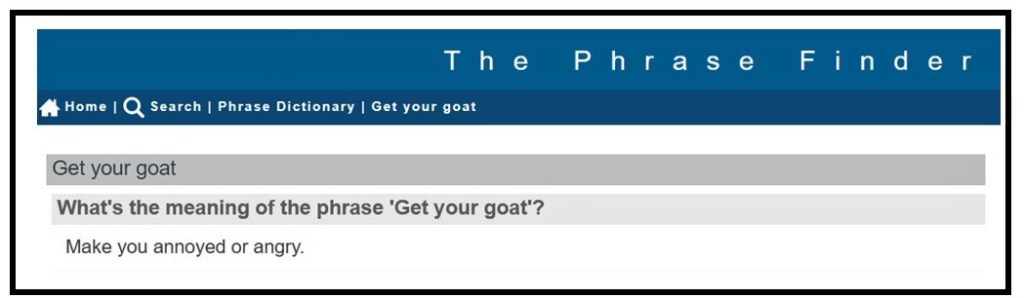
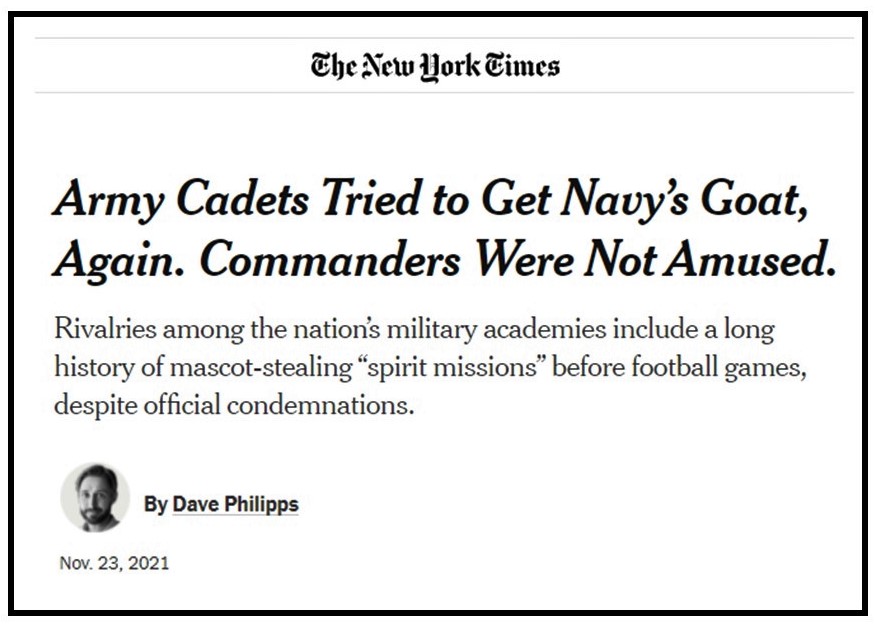



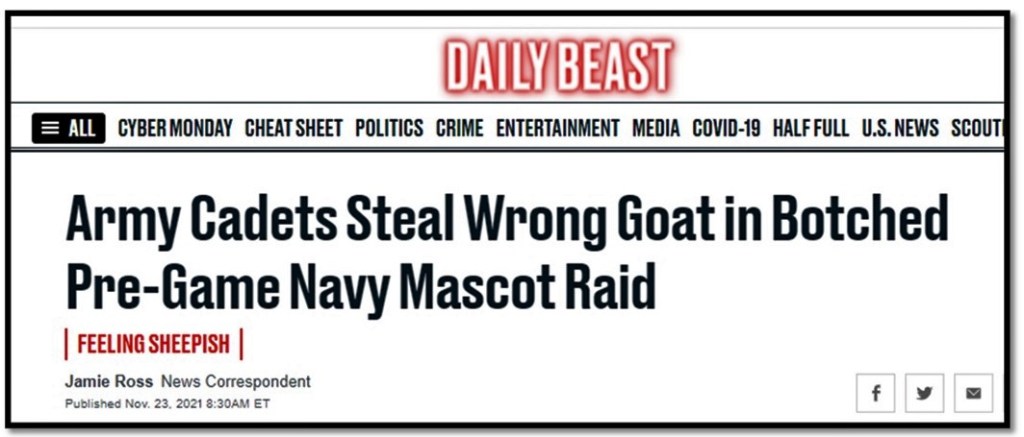





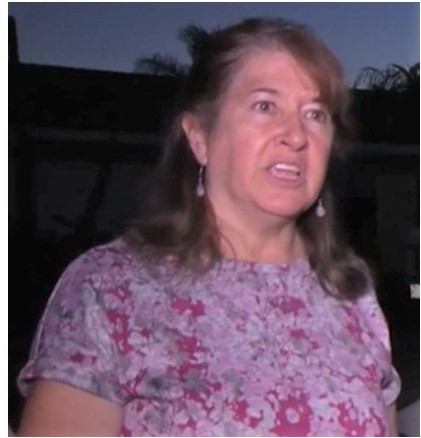





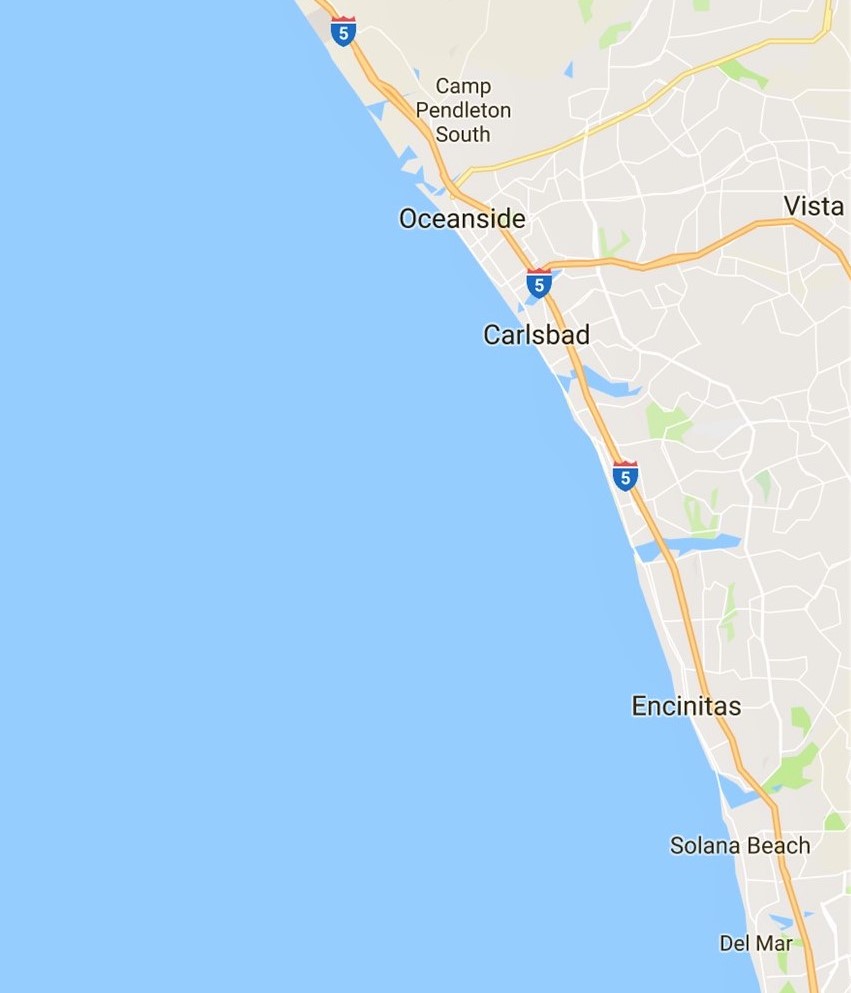


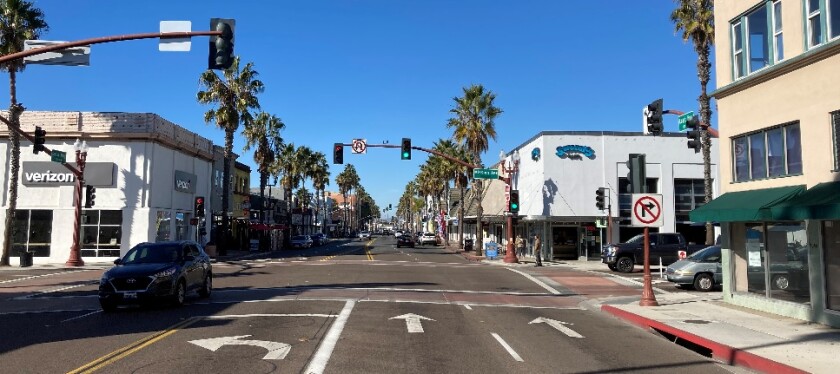





















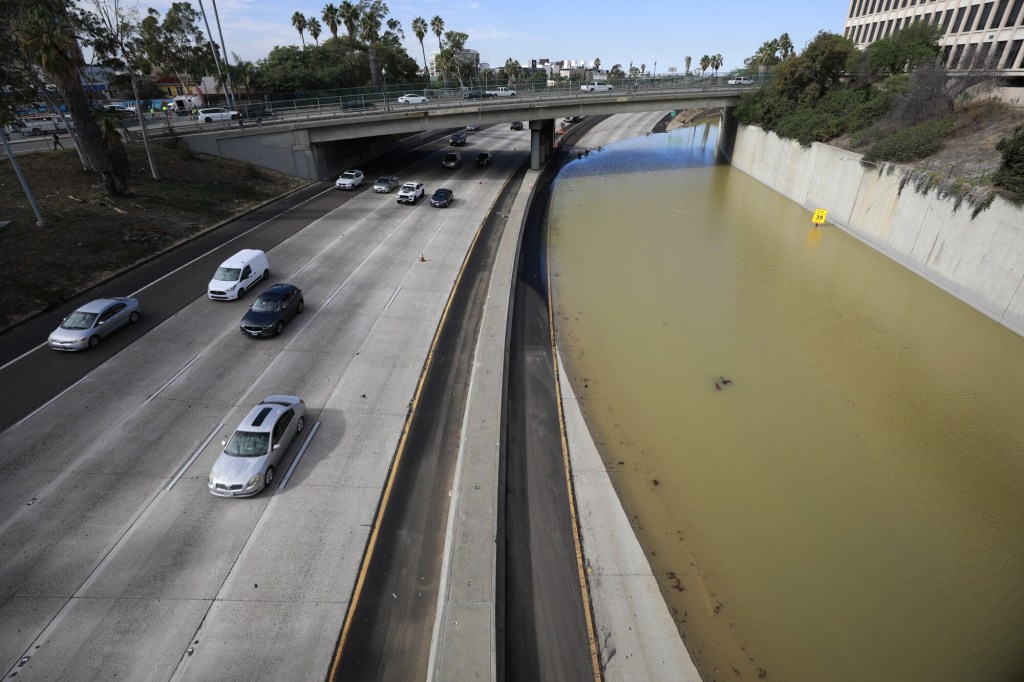
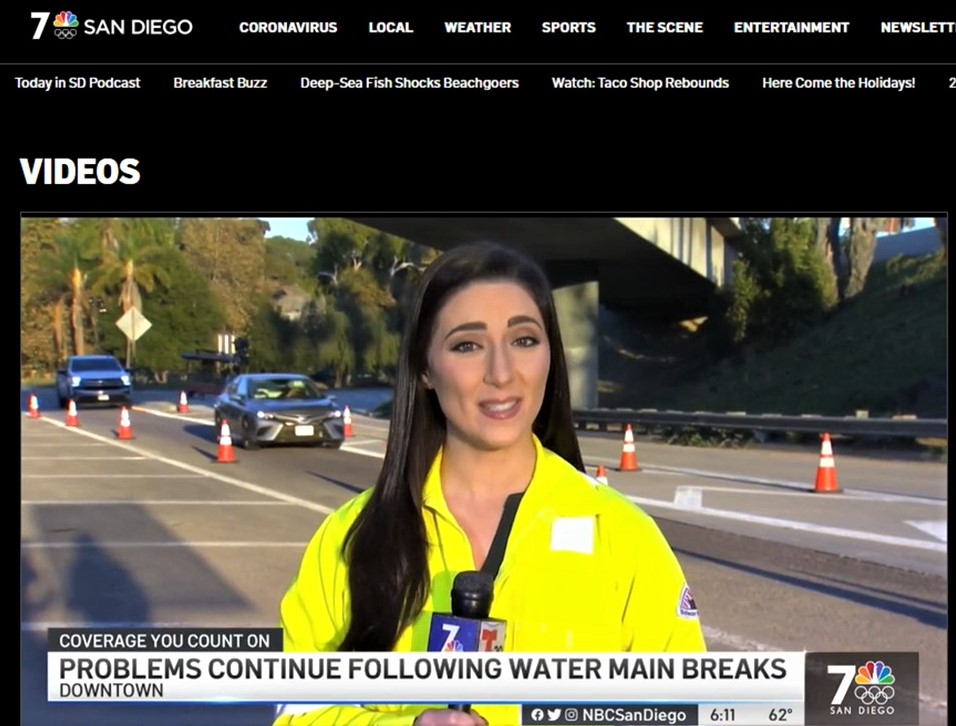
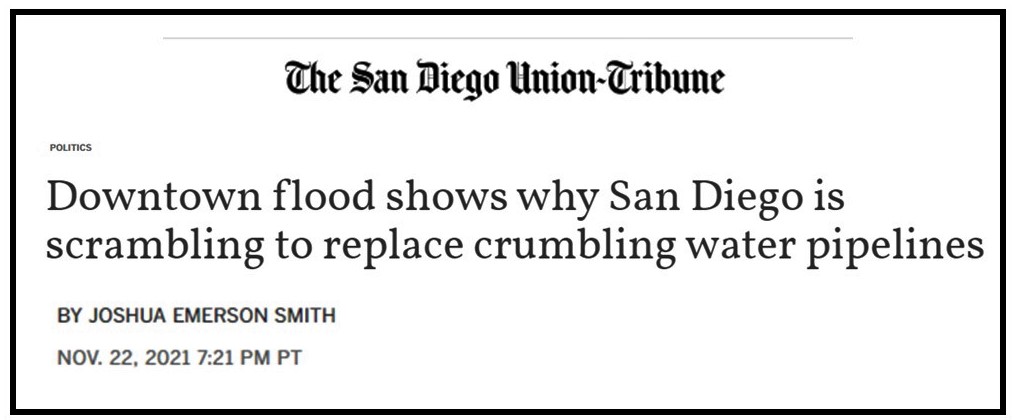










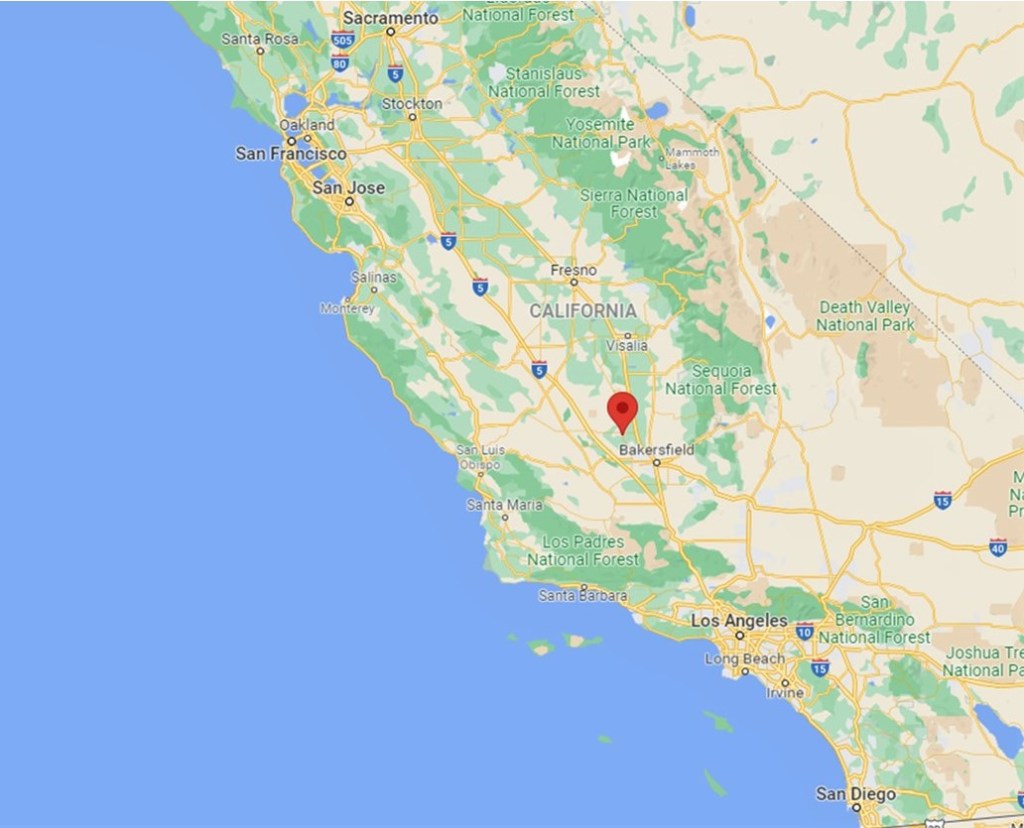














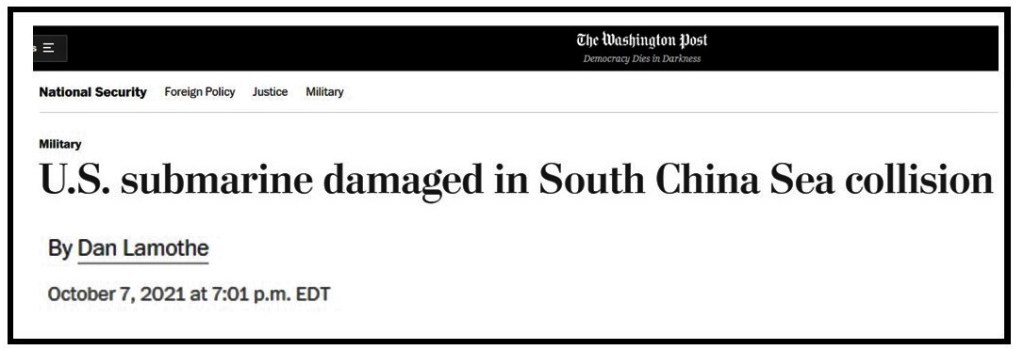










 I Hate Houseguests